
Lieferung heute & morgen

Qualitätsgarantie

Willkommens-Angebote freischalten: KOSTENLOSE Lieferung | Bis zu 80 % RABATT | Kostenlose 30-Tage-JoyPlus-Testphase
App herunterladen
Vegan protein powder can be a practical addition to your daily routine – whether at breakfast, after a workout or on the go. However, the wide range of plant-based protein powders does not automatically make it easy to choose the right one. Focusing only on the flavour or pack size often means overlooking important details about the ingredients, protein content and tolerability.
Terms such as 3K protein and 6K protein generally indicate the number of different protein sources in a blend. However, they are not standardised, legally protected quality seals. What matters is which ingredients are actually included and how much protein each portion provides.
For example, a blend of pea protein, soya protein and sunflower protein may differ in its amino acid profile and consistency from a 6K blend containing wheat, rice, almond and other protein sources. More components therefore do not automatically make a product more suitable for every user.
A 1 kg protein powder may initially appear economical. For a fair comparison, however, you should calculate the price per portion and the number of portions. With the products mentioned here, one portion usually consists of 30 g of powder. If portion sizes vary considerably, an apparently low price per kilogram can distort the actual cost comparison.
Vegan protein powder contains no animal-based ingredients, but that does not automatically mean it is free from soya, gluten, nuts or other allergens. It is particularly important to check the ingredients list:
Do not just compare the percentage protein content. Also look at the specific amount provided per portion. In the product selection, the values range from 23 to 25 g of protein per 30 g portion. This makes it easier to plan your daily protein intake.
Protein powder for muscle building can be a source of protein as part of a balanced diet. However, your actual daily requirement depends on your body weight, activity level, diet and personal goals. The powder is not a substitute for a varied diet.
When choosing a protein powder with pea protein or protein powder with soya protein, check whether it contains any additional sources. Blends can differ in terms of flavour, solubility and mouthfeel.
According to the ingredients list, the Nutri+ 3K varieties combine soya protein isolate, pea protein isolate and sunflower protein. Depending on the flavour, the Nutri+ 6K varieties contain soya, wheat, rice, pea, sunflower and almond protein, among others. The Iced Coffee variety also contains coffee extract at 6%.
Flavoured products often contain sweeteners such as sucralose. If you prefer an ingredients list that is as short as possible, you can choose an unsweetened variety. According to the product information, Nutri+ Nature’s Protein Natural contains soya, pea and rice protein, but no added sweetener. You can add your preferred level of sweetness separately.
The amount of liquid also affects the consistency:
A vegan protein shake can be prepared with water for a lower-calorie option. Plant-based drinks can alter the flavour and creaminess, but depending on the product, they also increase the calorie content.
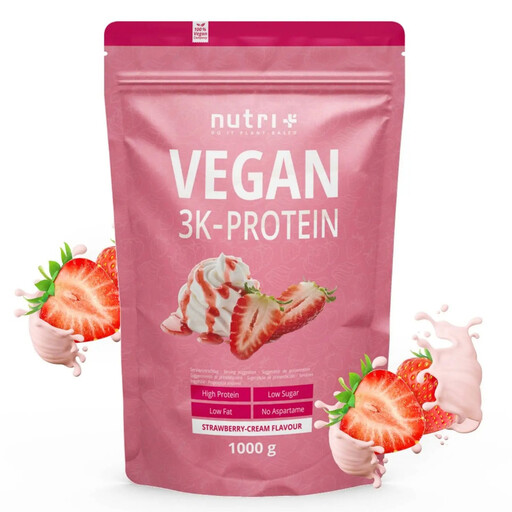
Why this product suits this profile: The 1 kg pack is suitable for people who regularly prepare a vegan protein shake and prefer a fruity flavour. According to the product information, each 30 g portion contains 25 g of protein.
The protein content per portion and recommended amount of powder are clearly stated. The ingredients list names the three plant-based protein sources used.
1 kg pack size, 25 g of protein per 30 g portion and preparation with 350–400 ml of liquid.
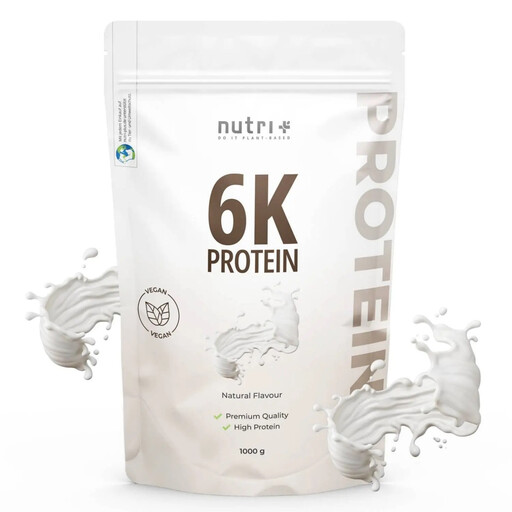
Why this product suits this profile: The unflavoured variety is aimed at users who prefer an ingredients list without sweeteners and want to customise the flavour themselves.
The 6K designation can be verified against a specific ingredients list. This variety cannot be considered gluten-free because it contains wheat protein.
Several plant-based protein sources, plus 25 g of protein per 30 g portion according to the product information.
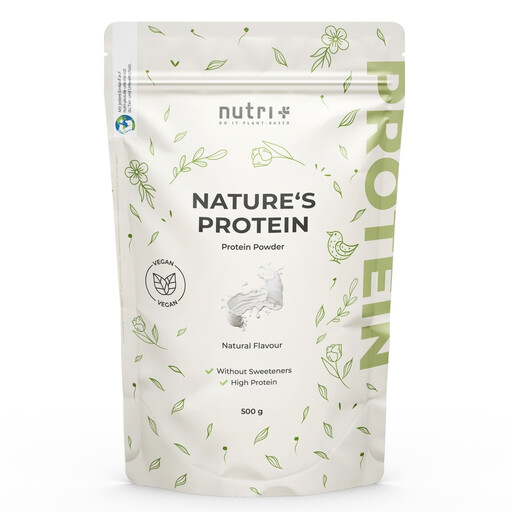
Why this product suits this profile: The 500 g pack is practical for trying the product or for users who prefer to store smaller quantities. According to the product information, the powder contains no added sweeteners.
The product information explicitly states that sweetness can be added separately. This allows you to customise the preparation to suit your preferences.
25 g of protein per 30 g portion, plus soya, pea and rice protein according to the ingredients list.
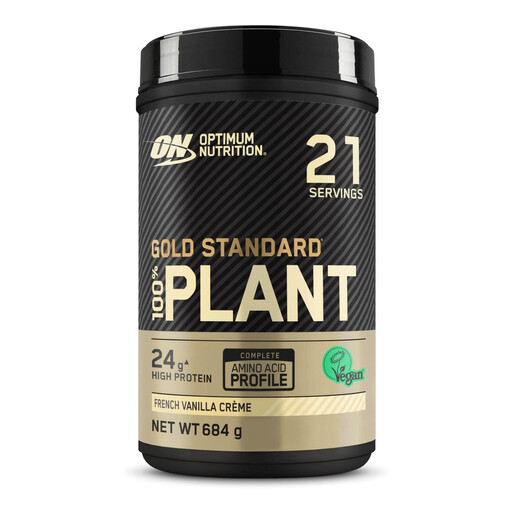
Why this product suits this profile: The combination of pea and rice protein, together with the specified preparation using 180–240 ml of water, suits people who prefer a more compact shake.
The pack size, portion quantity and protein content are listed separately. According to the ingredients list, the product is formulated without milk or soya ingredients; any information about possible traces should be taken into account.
24 g of protein per 36 g portion, plus pea and rice protein according to the product data.
We have put together a complete, regularly updated list of products that fully meet these strict selection criteria and the safety regulations applicable in the EU.
To make a vegan protein shake, first add the recommended amount of liquid to a shaker. Then add the powder. Seal the shaker completely and shake it until no large lumps are visible. According to the relevant product information, these products are intended for daily use; if you have several portions, you should consider your overall diet and the recommended dosage.
A shake after training can be convenient from an organisational point of view. However, a specific time window for taking it is not generally necessary. What matters is your total protein intake over the course of the day. Store the powder in a dry, cool place and keep it tightly sealed. Once opened, protect it from moisture and use it within the best-before date stated on the packaging.
Plant-based protein sources such as soya, pea or rice protein can form part of an athlete’s diet. Whether a product is right for you depends on its protein content, ingredients, tolerability and your personal eating plan. If you have allergies or specific health requirements, check the ingredients list particularly carefully.
With a 30 g portion, 1,000 g works out at approximately 33 portions. The actual duration depends on whether you use one or several portions per day. A 500 g pack with the same 30 g portion size provides approximately 16 portions.
Protein powder without milk is not necessarily vegan. You should also check whether it contains ingredients such as egg, honey or other animal-based components. The plant-based products described here list protein sources such as soya, pea, rice, wheat, sunflower or almond. For a reliable choice, always refer to the current labelling on the product packaging.