
Lieferung heute & morgen

Qualitätsgarantie

Willkommens-Angebote freischalten: KOSTENLOSE Lieferung | Bis zu 80 % RABATT | Kostenlose 30-Tage-JoyPlus-Testphase
App herunterladen
Vegan protein powder can help supplement your daily protein intake when you need a convenient option for busy days, intense training sessions or life on the go. But flavour and pack size aren’t the only things to consider when buying. Ingredients, protein per serving and personal intolerances all play a part in whether a product will suit your diet in the long term.
The number usually refers to how many different protein sources are used. It doesn’t automatically tell you how much protein there is per serving, how well you’ll tolerate it or whether you’ll like the texture. 3K protein may be enough for many people, while 6K protein combines several sources of grains, pulses and seeds.
That’s why it’s important to check the ingredients list. See which protein sources are actually included and whether allergens such as soya, wheat or almonds are listed.
A protein powder in different flavours may have different nutritional values from the unflavoured version, depending on the cocoa, coffee, sweeteners or flavourings added. The products featured here contain between 21 and 25 g of protein per 30 g serving, depending on the flavour.
A flavour that tastes especially indulgent isn’t necessarily more nutritious. If you use the powder every day, it’s also worth checking the sugar, sweeteners and fat content, as well as the amount of liquid needed.
Vegan protein powder contains no animal ingredients, but it may contain soya, wheat, almonds or other ingredients that must be declared. Nutri+ 6K Protein lists soya protein isolate, wheat protein, rice protein, pea protein, sunflower protein and almond protein, among other ingredients. If you have allergies or intolerances, check the latest ingredients list and allergen information before buying.
Don’t just compare the pack price. Check the protein content per 30 g serving and the price per 100 g of protein. The Nutri+ options available contain 21, 22, 23, 24 or 25 g of protein per serving, depending on the flavour.
For everyday use, it’s also worth considering how many servings you’ll get from a 1 kg pack of vegan protein powder. At 30 g per serving, a 1 kg pack works out at around 33 servings. The actual number may vary depending on how much powder you use each time.
Common plant-based protein sources include soya protein, pea protein, rice protein, sunflower protein, wheat protein and almond protein. Blending different sources can provide a range of amino acid profiles and sensory qualities. However, there’s no single combination that’s necessarily better for everyone.
The Nutri+ 3K options combine soya protein isolate, pea protein isolate and sunflower protein. Several flavours are described as “wheat-free”. The 6K range also includes wheat, rice and almond protein, among other sources. The specific ingredients matter more than the number in the product name.
The amount of liquid, the shaker you use and the quantity of powder all affect the result when making a vegan protein shake. For the 3K products, the recommended mix is 30 g of powder with around 350 to 400 ml of liquid. For the 6K products, the recommended amount is 300 ml of liquid. You can replace some of the liquid with an unsweetened plant-based drink, which will change the flavour and calorie content.
Store the powder in a cool, dry place. Follow the usage instructions for the product. Food supplements should not be used as a substitute for a balanced and varied diet.
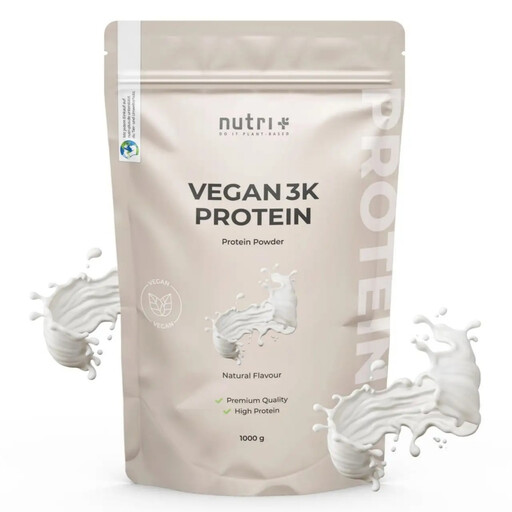
Why this product suits this profile: The unflavoured 3K blend is a good choice if you want to add protein powder to porridge, smoothies or plant-based drinks, without extra flavourings or colourings.
The ingredients list names three plant-based protein sources, and the product is described as wheat-free. According to the product information, it contains 25 g of protein per 30 g serving.
Soya, pea and sunflower protein; 1 kg pack; versatile in drinks and food.
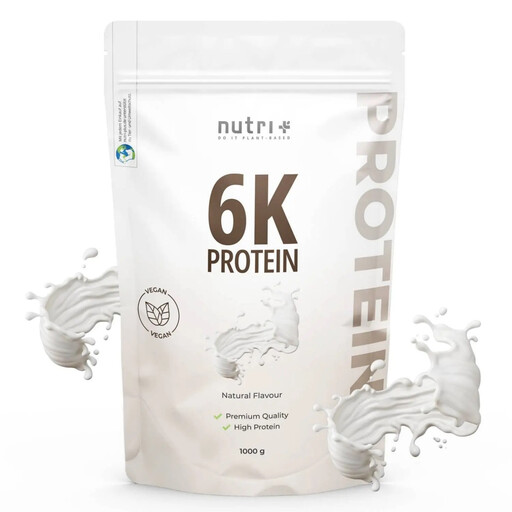
Why this product suits this profile: If you prefer a blend of several plant-based sources and check ingredients carefully before buying, this 6K blend offers an unflavoured option.
The product description lists six protein sources. It also contains wheat and almonds, so you can take these allergens into account before buying.
Soya, wheat, rice, pea, sunflower and almond protein; 25 g of protein per 30 g serving according to the product information.
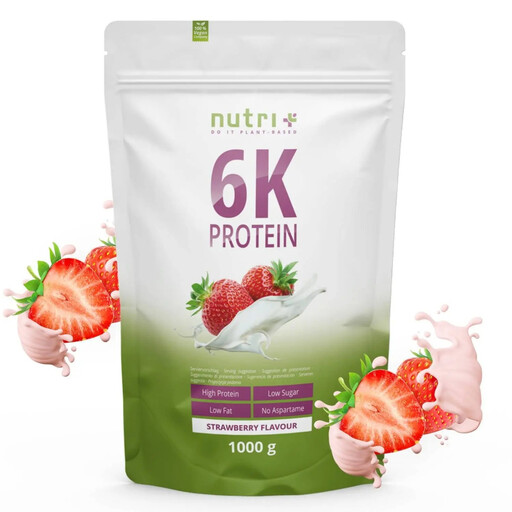
Why this product suits this profile: This flavoured option is aimed at people who plan to have a vegan protein shake regularly after training or as part of their daily routine.
The product contains 25 g of protein per 30 g serving. It combines several protein sources, but as it contains wheat and almonds, check that it suits you.
6K protein blend; fruity flavour; mix with around 300 ml of liquid.
We’ve put together a comprehensive, regularly updated list of products that meet these strict selection criteria and fully comply with the safety regulations in force in the EU.
Vegan protein after training can be useful when you can’t have a protein-rich meal soon afterwards. The manufacturers of the Nutri+ products featured here recommend taking them within two hours of training. This is the manufacturer’s usage recommendation, not a medical claim.
For everyday use, these three tips can help:
If you’re looking for vegan protein to support muscle building, consider your training plan, energy intake and the rest of your diet as well as the powder. A product on its own is no substitute for a balanced diet.
The products featured here are intended to be used at 30 g of powder per serving. Depending on the flavour, that works out at around 21 to 25 g of protein, according to the product information. Your daily requirements depend on your overall diet, body weight and activity level. Don’t exceed the usage instructions on the pack.
A 1 kg pack is convenient if you use protein powder regularly. At 30 g per serving, it works out at around 33 servings. If you want to try the flavour and check how well you tolerate it first, a smaller pack or a single flavour may be a better choice.
That depends on your individual intolerance and the full ingredients list. Soya and pea protein are common ingredients in plant-based blends. The 6K options may also contain wheat and almonds. If you have a known allergy, take particular care when choosing a product.