
Lieferung heute & morgen

Qualitätsgarantie

Willkommens-Angebote freischalten: KOSTENLOSE Lieferung | Bis zu 80 % RABATT | Kostenlose 30-Tage-JoyPlus-Testphase
App herunterladen
Vegan protein powder can help top up your daily protein intake – at breakfast, in a smoothie or as a post-workout protein shake. But the choice can be overwhelming. Terms such as ‘3K’, ‘6K’, ‘plant-based’ and ‘sugar-free’ don’t tell you much about the actual ingredients on their own.
Three common buying pitfalls are worth looking out for:
Plant-based protein powder can be made from soy, pea, rice, sunflower or wheat protein, for example. Several sources are often blended to complement the amino acid profile of the formula.
A vegan multi-source protein made with three sources is often called 3K vegan protein. If it contains six protein sources, it is often called 6K vegan protein. The number refers to how many protein ingredients are used, not necessarily the protein content per serving.
If you’re looking for vegan protein without wheat, check the ingredients carefully: Nutri+ 3K varieties combine soy protein isolate, pea protein isolate and sunflower protein. According to the product information, the 6K varieties contain wheat protein, among other ingredients, so they are not suitable if you’re choosing a wheat-free product.
The ‘per 100 grams’ figure doesn’t tell the whole story. A more practical question is: how much protein does a realistic 30-gram serving provide?
The products featured here provide between 21 and 25 grams of protein per 30-gram serving, depending on the formula and flavour. Differences can be due to ingredients such as cocoa, flavourings or other additions.
A 1 kg vegan protein powder is a good choice for regular use and may work out cheaper per serving. If you only use it occasionally or want to try the flavour first, a 30-gram protein powder sample may be a better option. This lets you check whether the flavour, mixability and sweetness suit your routine before buying a larger pack.
‘Sugar-free’ and ‘no added sugar’ don’t mean the same thing. A sugar-free vegan protein powder may contain sweeteners such as sucralose or steviol glycosides. Other products contain no sweeteners at all, so you can add your own, such as erythritol, xylitol or stevia, to taste.
If you have an intolerance, check the allergen information too:
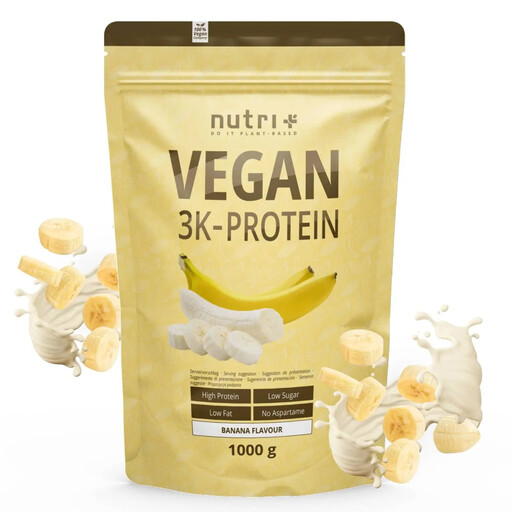
Why it suits this profile: The 1 kg pack is designed for regular shakes. According to the product information, each 30-gram serving provides 25 grams of protein. The blend contains soy, pea and sunflower protein.
The three protein sources are clearly listed in the ingredients. Unlike the 6K formula, this variety is stated to contain no wheat protein.
1 kg pack; 25 g protein per 30 g serving; mix with 350–400 ml of liquid.
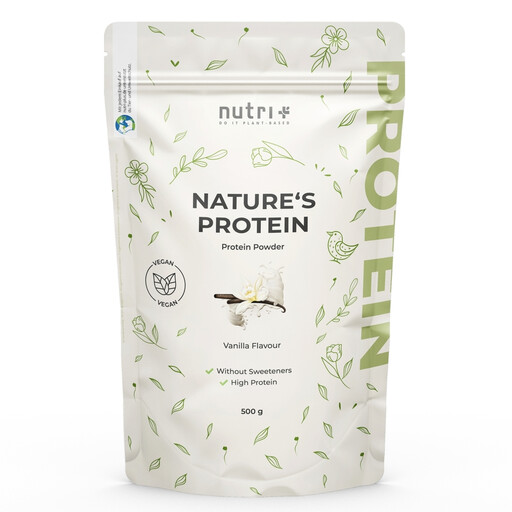
Why it suits this profile: This formula combines soy, pea and rice protein and, according to the ingredients information, contains no added sweeteners. You can adjust the flavour to suit your taste.
The formula isn’t made to taste sweet by default. If you want to avoid sweeteners, you can choose the level of sweetness yourself by adding suitable ingredients.
500 g pack; 25 g protein per serving; three plant-based protein sources.
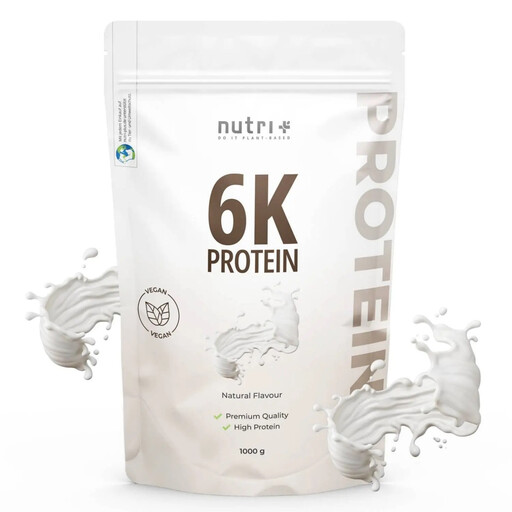
Why it suits this profile: According to the product information, the 1 kg pack contains six plant-based protein sources and provides 25 grams of protein per 30 grams of powder. It’s aimed at people who prefer a broader blend and can tolerate wheat.
All six sources are named, so it’s clear that the formula contains wheat and almond protein and isn’t intended for a wheat-free diet.
1 kg pack; six protein sources; 25 g protein per serving; mix with 300 ml of liquid.
We’ve put together a complete, regularly updated list of products that meet these strict selection criteria and fully comply with the safety regulations in force in the EU.
A 30-gram serving is recommended for the products featured here. Depending on the formula, mix with around 300 or 350–400 ml of liquid. A shaker makes it easier to mix everything evenly. You can fit a shake in after your workout if it suits your routine, but your overall diet matters more than any single shake.
Store the product in a cool, dry place, out of the reach of children. Do not exceed the recommended daily amount. Food supplements should not be used as a substitute for a balanced and varied diet.
Vegan protein powder can help top up your protein intake as part of a balanced diet. Check the protein content per serving, the sources used and the serving size to make sure it suits your daily needs. There’s no one-size-fits-all recommendation.
Yes. The Nutri+ 3K varieties, made with soy, pea and sunflower protein, are sold as wheat-free protein powder. According to the ingredients information, the 6K products contain wheat protein. If you have an allergy or intolerance, check the current packaging as well.
At 30 grams per serving, 1,000 grams works out at around 33 servings. How long it lasts depends on whether you use one or more servings each day. A 500-gram pack or a sample of protein powder is a good option if you want to try the flavour and check how well you tolerate it first.
According to the product information, products such as Nutri+ Vegan Collagen Formation Support Powder contain amino acids, as well as vitamin C, vitamin E, biotin, zinc and copper. They don’t contain animal collagen; instead, they’re formulated to support the body’s normal collagen production. Follow the manufacturer’s guidance on use and safety.