
Lieferung heute & morgen

Qualitätsgarantie

Willkommens-Angebote freischalten: KOSTENLOSE Lieferung | Bis zu 80 % RABATT | Kostenlose 30-Tage-JoyPlus-Testphase
App herunterladen
Vegan protein powder can supplement your daily protein intake – at breakfast, after a workout, or as part of a plant-based protein shake. The choice ranges from neutral blends to varieties with chocolate, coffee, fruit or nut flavours. But not every product suits every dietary lifestyle.
If you only focus on the flavour or a flashy product name, you can easily overlook important details. These include the protein sources used, the serving size, and allergens such as soya, wheat or almonds. The following guide shows what athletes, vegans and active people should look for when buying.
Names like 3K Protein or 6K Protein usually refer to the number of different protein sources. However, this doesn't automatically mean a higher protein content per serving. What matters is the nutritional information panel.
For the products featured here, the 3K varieties provide around 22 to 25 g of protein per 30 g serving, depending on the flavour. The 6K varieties offer roughly 23 to 25 g of protein per serving, depending on the variant. So when comparing, it's the actual value per serving that counts, not just the name on the packet.
A vegan protein powder can contain ingredients such as soya, wheat or almonds. The 6K products from Nutri+ combine soya, wheat, pea, rice, sunflower and almond protein, among others. If you're looking for a protein powder without wheat, you should check the ingredients list of each flavour.
According to the product information, the 3K varieties without wheat are based on soya protein isolate, pea protein and sunflower protein. This shouldn't be taken as a blanket statement about being gluten-free. If you have allergies or intolerances, you should also check the packaging instructions and manufacturer information.
Flavours like Chocolate Brownie, Tiramisu or Peanut Butter Cookie appeal to different tastes. Flavoured varieties often contain sweeteners such as sucralose. If you prefer to keep the ingredients list as short as possible, you can choose a natural variant without sweeteners and combine it with erythritol, stevia or another suitable alternative as needed.
According to the product information, Nutri+ Nature's Protein Natural contains only soya, pea and rice protein. The flavour only develops once you add your own sweetener. This is a practical option for people who want to control the sweetness of their plant-based protein shake themselves.
A plant-based protein powder can come from one or more sources. Blends of pulses and grains or seeds can combine different amino acid profiles. It's also important for your buying decision whether the ingredients match your own dietary profile.
The claim "high biological value" shouldn't be taken in isolation. Always check the full ingredients list and nutritional information panel.
For the products featured here, one serving equals 30 g of powder. Depending on the variety, this contains around 22 to 25 g of protein. For people looking for vegan protein for athletes, this value is easier to compare than vague marketing claims.
The recommended preparation differs slightly:
The amount of liquid affects the consistency and flavour, but not the protein content stated on the label.
A 1 kg vegan protein pack is a good choice if you regularly make a shake. With a 30 g serving, a 1 kg pack works out to around 33 servings. For beginners or people who want to try a flavour first, a 500 g pack like the Nutri+ Nature's Protein might be more suitable.
Also pay attention to the storage instructions: the powder should be kept cool and dry, the recommended daily amount should not be exceeded, and it should be stored out of reach of children.
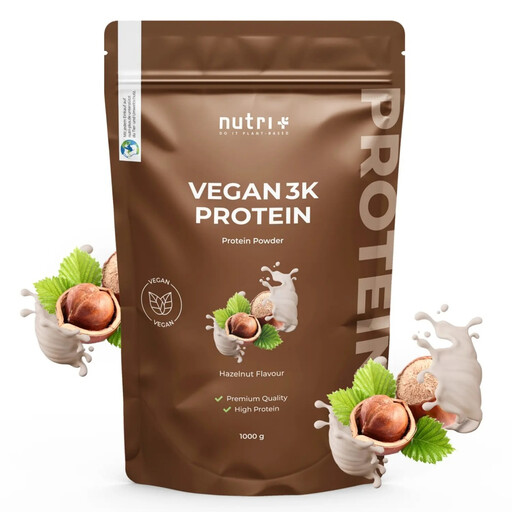
Why this product fits the profile: The 1 kg pack offers a predictable bulk size. According to the product information, the hazelnut variety provides 24 g of protein per 30 g serving and is prepared with 350 to 400 ml of liquid.
The specific protein amount per serving is stated. The product description also mentions a recipe without wheat; the full labelling should be checked before purchase.
1 kg content, 24 g protein per serving and a blend of three plant-based protein sources.
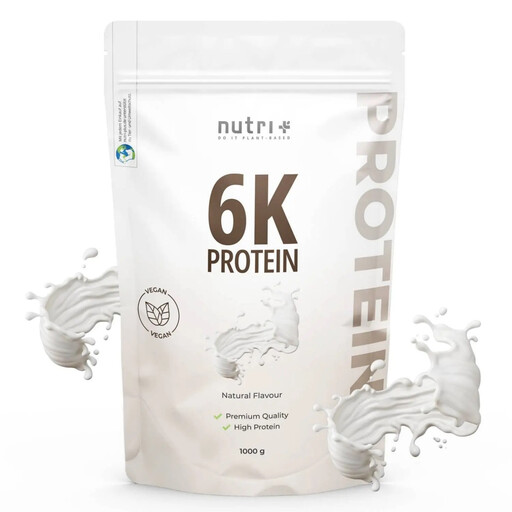
Why this product fits the profile: The recipe combines six plant-based protein sources and remains neutral in flavour. According to the product information, a 30 g serving contains 25 g of protein.
The selection of protein sources and the protein content are clearly stated in the product description. According to the ingredients list, the Natural variant contains no added flavourings or sweeteners.
Six-source blend, 25 g protein per serving and flexible sweetening to your personal taste.
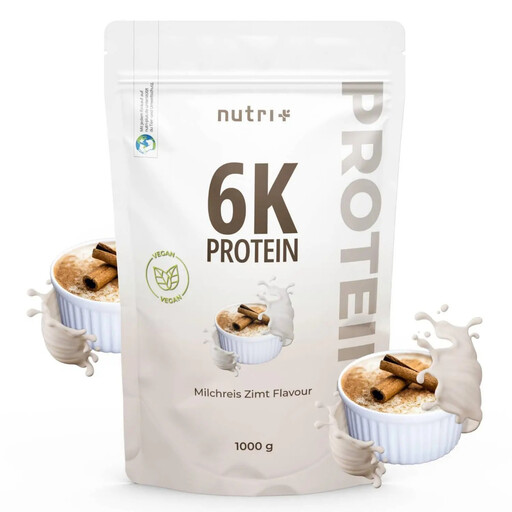
Why this product fits the profile: The 1 kg pack is suitable for regular shakes. According to the product information, one serving provides 23 g of protein and contains cinnamon at a stated amount of 1.7%.
The serving size, liquid amount and ingredients list are all clearly stated. This makes daily use easier to plan than with general fitness claims.
1 kg content, six protein sources and a cinnamon note with clear dosage instructions.
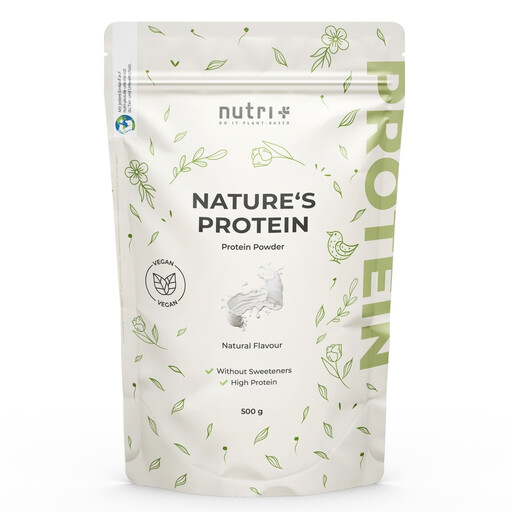
Why this product fits the profile: The smaller pack is ideal if you want to try an unsweetened blend first, or only make a plant-based protein shake occasionally.
According to the product information, the recipe contains no sweeteners. This means you can adjust the sweetness to your own taste, rather than being stuck with an overly strong flavour.
500 g pack, 25 g protein per serving and three plant-based protein sources with no added sweeteners.
We've put together a full, regularly updated list of products that fully meet these strict selection criteria and the safety regulations in force in the EU.
For a shake, mix 30 g of powder with the recommended amount of water or a plant-based alternative in a shaker. The exact amount of liquid depends on the desired consistency. If lumps form, it can help to add the liquid first and then the powder.
A protein shake does not replace a balanced and varied diet. Your total daily intake should take into account your personal diet, activity level and individual needs. If you have existing medical conditions, allergies or special dietary requirements, it's a good idea to seek advice from a doctor or nutritionist.
Vegan protein powder can supplement your protein intake around training and daily life. Whether it supports muscle building or muscle maintenance depends on your overall diet, training plan, energy intake and recovery. A single product cannot replace these factors.
The best-before date and the information on the packaging are what matter. After opening, the powder should be stored tightly sealed, in a dry place and away from heat. Moisture can affect the consistency and how well it mixes.
To calculate this, divide the purchase price by the number of possible 30 g servings. A 1 kg pack works out to around 33 servings, and a 500 g pack to around 16 servings. The actual price per shake depends on the pack size, variety and current offer.