
Lieferung heute & morgen

Qualitätsgarantie

Willkommens-Angebote freischalten: KOSTENLOSE Lieferung | Bis zu 80 % RABATT | Kostenlose 30-Tage-JoyPlus-Testphase
App herunterladen
A vegan protein powder can be a convenient way to supplement your daily diet – whether in your breakfast, after a workout, or on the go. However, the choice available in shops is vast. Terms like "3K", "6K", "natural" or "high protein" alone tell you little about whether a product actually suits your habits.
Three common buying mistakes frequently lead to the wrong purchase:
Don't just compare the protein content per 100 grams – also look at the protein amount per recommended serving. For the products considered here, the figures range from approximately 22 to 25 grams per 30-gram serving, depending on the variant.
A plant-based protein powder often combines several sources, for example:
A blend can offer flavour and nutritional differences compared to a single protein source. However, what matters for your buying decision is the actual ingredients list. The name 3K vegan protein describes, in the Nutri+ variants, a combination of soya, pea and sunflower protein. The 6K vegan protein additionally contains rice, wheat and almond protein, among others.
If you're looking for a protein powder for muscle building, you should also consider your overall diet and individual protein requirements. A powder alone does not replace a balanced diet and is not a medical or therapeutic measure.
"Vegan" does not automatically mean soya-free protein powder or protein powder without wheat. The Nutri+ 3K variants are offered as protein powder without wheat and, according to the product information, contain soya, pea and sunflower protein. If you want to avoid soya, you'll need to choose a different recipe.
The Nutri+ 6K products contain soya protein isolate, wheat protein and, in some cases, almond protein according to the ingredients list. They are therefore not suitable without further checks for anyone avoiding wheat, gluten, soya or nuts. The Optimum Nutrition Gold Standard 100% Plant Protein also lists possible traces of gluten and peanuts.
If you have allergies or intolerances, always check the current packaging and full labelling. The manufacturer's information for the specific product is what counts.
A frequently overlooked parameter is the sweetener. Several Nutri+ 3K and 6K variants contain sucralose. The Nature's Protein vegan products from Nutri+, on the other hand, are described as sweetener-free variants. With Natural, Vanilla and Chocolate, you can add your preferred sweetness yourself, for example with erythritol, xylitol or steviol glycosides, according to the product description.
The amount of liquid also affects consistency and flavour:
For use as a protein powder after training, a preparation method that fits easily into your daily routine is key. The Nutri+ product information recommends taking it up to two hours after exercise. This is a manufacturer's guideline and not a universal medical recommendation.
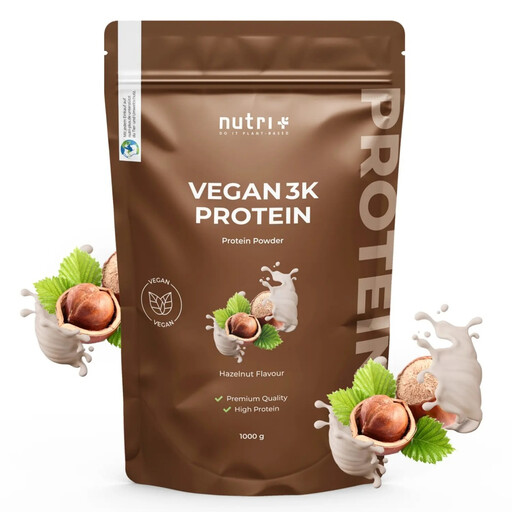
Why this product fits the profile: The 1 kg pack is ideal for anyone who regularly makes a vegan protein shake and doesn't want to buy a new one after a short time. It provides 24 grams of protein per 30-gram serving.
The recipe and recommended serving size are clearly stated. The product is also described as a powder without wheat.
1 kg content, three plant-based protein sources and several available flavours within the product line.
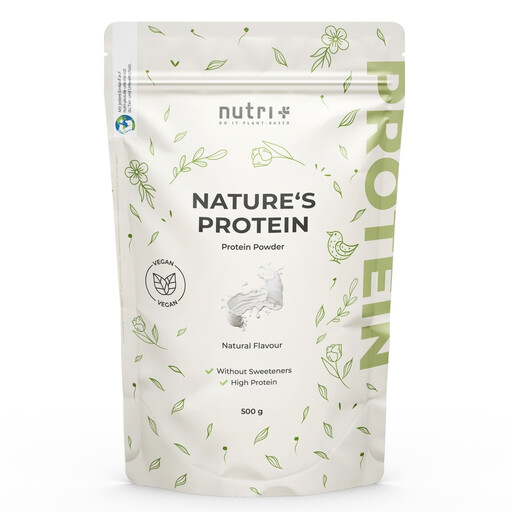
Why this product fits the profile: The recipe, made from soya, pea and rice protein, comes without added sweeteners according to the product information. The 500-gram pack offers a manageable quantity to try first.
The lack of sweetness isn't hidden behind generic flavour marketing: you're meant to adjust the taste individually with a sweetener alternative.
25 grams of protein per 30-gram serving for Natural, Vanilla and Chocolate according to the respective product information; ingredients list with three protein sources.
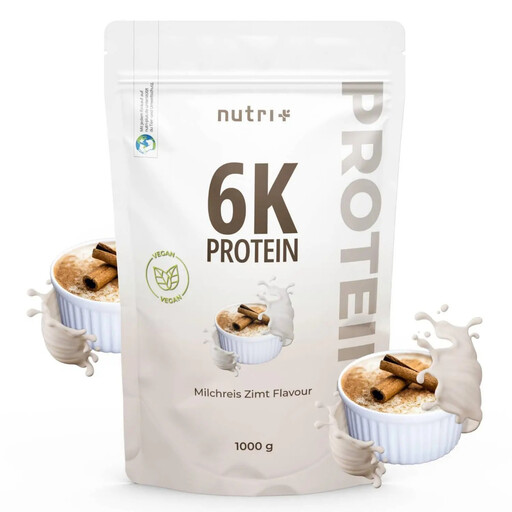
Why this product fits the profile: If you regularly want to use a variety of plant-based protein sources in one recipe, this blend of six sources is a great choice. The rice pudding-cinnamon flavour offers an alternative to classic chocolate or vanilla.
The six protein sources are listed specifically. This makes it clear that wheat, soya and almond protein are included, so you can check your exclusion criteria.
1 kg content, six plant-based protein sources and 23 grams of protein per 30-gram serving according to the product information.
We've put together a complete, regularly updated list of products that fully meet these strict selection criteria and the safety regulations in force in the EU.
Unopened products should be stored until the best-before date printed on the packaging. Once opened, keep the powder dry, cool, protected from light and tightly sealed. Moisture can affect the consistency and how well it mixes. For specific consumption periods, always follow the manufacturer's instructions.
The recommended amount varies by product. For the Nutri+ variants mentioned, you usually mix 30 grams of powder with 300 or 350 to 400 millilitres of liquid in a shaker. First add the liquid, then the powder, and shake vigorously. Plant-based drinks will change the flavour and consistency compared to water.
According to the manufacturer, the products mentioned are intended for athletes and active people. The Nutri+ products recommend taking them up to two hours after exercise. What matters most is your personal diet and how well you tolerate the product. If you have specific health requirements or are taking medication, you should seek medical advice before use.