
Lieferung heute & morgen

Qualitätsgarantie

Willkommens-Angebote freischalten: KOSTENLOSE Lieferung | Bis zu 80 % RABATT | Kostenlose 30-Tage-JoyPlus-Testphase
App herunterladen
Vegan protein powder can supplement your daily diet if you’re looking for a plant-based source of protein. However, vegan protein powder, 3K protein and 6K protein can differ significantly in their ingredients, serving sizes, flavours and allergens. Eye-catching packaging or a high protein value per 100 grams isn’t enough to make an informed choice.
A product may have a high protein content per 100 grams, even though a typical serving is much smaller. When comparing products, always check:
According to the product information, a 30-gram serving of the Nutri+ products described here provides around 21 to 24 grams of protein, depending on the variety. This figure is more useful for planning than a percentage shown on its own on the front of the pack.
Plant-based protein powder may contain soya, wheat, gluten, peas, almonds or other ingredients. For example, according to its ingredients list, Nutri+ 6K Protein combines soya protein isolate, wheat protein, rice protein, pea protein, sunflower protein and almond protein. If you have allergies or intolerances, checking the full ingredients list is essential.
If you’re looking for protein powder without milk, make sure you also distinguish between “vegan” and “vegetarian”. Mammut Formula 90 contains milk, whey and egg protein, so it isn’t vegan protein powder; it’s intended for a vegetarian diet.
Chocolate protein powder doesn’t always have the same ingredients. Cocoa content, flavourings, sweeteners and the amount of liquid used all affect the taste and consistency. According to the product description, Nutri+ Nature’s Protein contains no sweeteners; its flavour is intended to come through more strongly when combined with your preferred level of sweetness.
So think about whether you’d prefer a shake that’s already sweetened or a more versatile, neutral powder.
Different protein sources have different characteristics:
3K protein combines three plant-based protein sources. Depending on the variety, Nutri+ 3K products use soya, pea and sunflower protein. Nature’s Protein uses soya, pea and rice protein. The term “3K” describes the number of protein sources; it doesn’t automatically indicate quality or protein content.
6K protein contains six or more plant-based sources. This may appeal if you prefer a blend with a wider range of ingredients. At the same time, more ingredients can mean more potential allergens, so the ingredients list is still essential.
For a vegan protein shake after a workout or as a snack, the figures per serving are the most useful. According to the product information, Nutri+ 3K varieties provide 22 or 23 grams of protein per 30 grams of powder. The 6K varieties provide 21 to 24 grams per 30-gram serving, depending on the flavour.
Also check the preparation instructions: 3K products are mixed with around 350 to 400 millilitres of liquid, while Nature’s Protein is mixed with around 300 millilitres. Adding more liquid makes for a thinner shake, but doesn’t change the amount of protein in the powder.
If you’re looking for protein powder for muscle building or to support your daily protein intake, consider your overall diet. Protein powder isn’t a substitute for a varied diet. Also check:
Having a shake after a workout can be a convenient way to fit protein into your day. However, product information isn’t a substitute for personalised dietary advice.
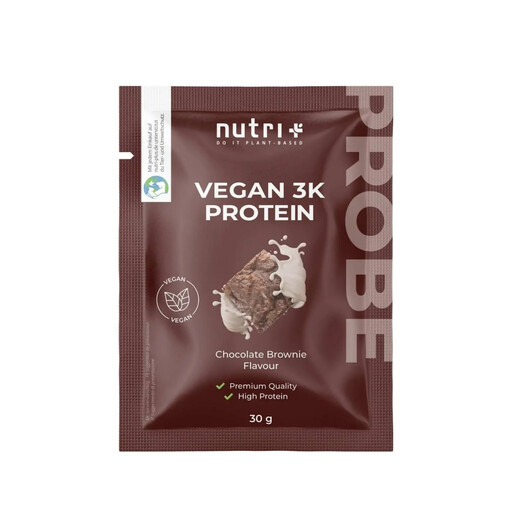
Why it suits this profile: The 30-gram sample lets you try the flavour and how well it mixes before buying a larger pack. According to the product information, one serving provides 23 grams of protein.
The smaller pack reduces the risk of buying a large quantity of a powder whose flavour you don’t enjoy.
3K blend of soya, pea and sunflower protein; 30-gram serving with clear preparation instructions.
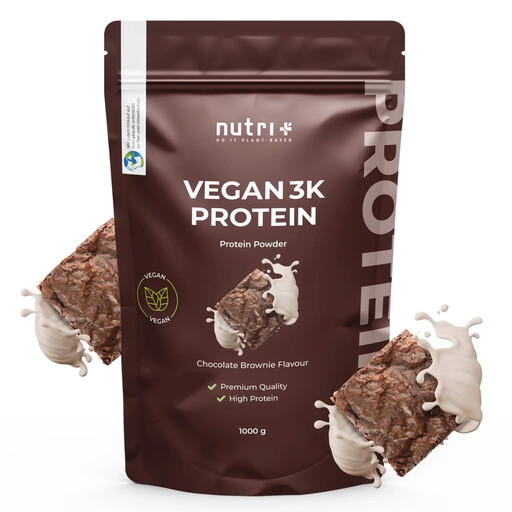
Why it suits this profile: According to the ingredients list, the recipe combines soya, pea and sunflower protein and provides 23 grams of protein per 30-gram serving, according to the product information.
The product description clearly sets out the protein sources and cocoa content of 11,7 per cent.
1-kilogram pack; Chocolate Brownie flavour; wheat-free according to the product information.
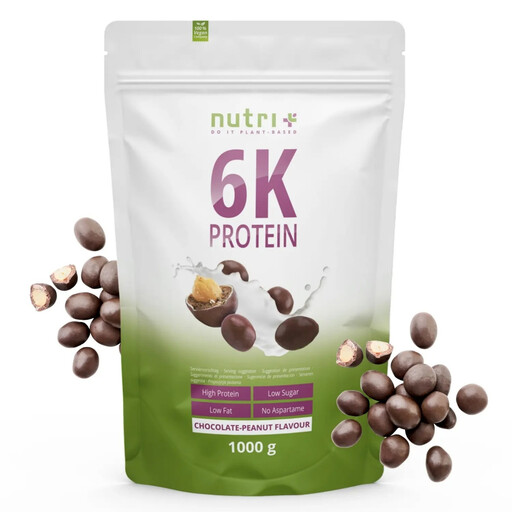
Why it suits this profile: The 6K recipe is for those who prefer a powder containing several plant-based protein sources. According to the product information, one serving provides 23 grams of protein.
The detailed ingredients list makes it clear that, as well as soya, pea and rice, the powder also contains wheat and almond. This makes it easier to check for allergens.
Six plant-based protein sources according to the product description; 1-kilogram pack for regular use.
We’ve put together a complete, regularly updated list of products that meet these strict selection criteria and fully comply with the safety regulations in force in the EU.
To prepare your shake, pour the liquid into a shaker first, then add the powder. Depending on the recipe, around 300 or 350 to 400 millilitres of liquid is recommended for the products mentioned. Shake until the powder is as evenly mixed as possible.
Store protein powder in a cool, dry place away from light. Once opened, follow the manufacturer’s guidance on how long to use it for. A damp scoop can encourage clumping. Don’t exceed the recommended daily amount; the product isn’t a substitute for a varied, balanced diet.
Yes, you can fit a vegan protein shake into your routine after a workout. What matters is your overall daily diet, serving size and how well you tolerate it. Taking a single product doesn’t, on its own, guarantee any particular effect on muscle building or recovery.
3K protein refers to a blend of three protein sources, while 6K protein combines several sources, usually six plant-based ones. More sources don’t automatically mean more protein per serving. So compare the specific ingredients list and the number of grams of protein per serving.
Check the best-before date and storage instructions on the packaging. Once opened, keep the powder in a cool, dry place and make sure the pack is sealed properly. If its smell, taste, colour or consistency changes noticeably, don’t use it.