
Lieferung heute & morgen

Qualitätsgarantie

Willkommens-Angebote freischalten: KOSTENLOSE Lieferung | Bis zu 80 % RABATT | Kostenlose 30-Tage-JoyPlus-Testphase
App herunterladen
Finding the right vegan protein powder can quickly become overwhelming. The market is flooded with options, but not every product delivers on its promise. Many users report disappointments, from unpalatable textures to questionable ingredients. This guide will help you identify the key quality markers and navigate common pitfalls, ensuring you find a product that meets your plant-based protein powder needs.
Before you make a purchase, it's important to understand the three most common problems that can arise with low-quality products.
To avoid a bad buy, you should focus on objective and verifiable criteria. The following three parameters are crucial for the quality and suitability of a vegan protein powder.
The foundation of any protein powder is its sources. There is a significant difference here:
A look at the nutrition label is essential. Look for a high protein content per serving—a good benchmark is over 20 grams of protein per 30-gram serving.
Also, check the ingredient list carefully. High-quality products use protein isolates (e.g., soy protein isolate), which have a higher protein content and better solubility. If you are looking for a sugar-free protein powder, look for products that are either unsweetened or use zero-calorie sweeteners like sucralose or stevia.
Solubility is directly related to the quality of the raw materials and the manufacturing process. High-quality isolates and carefully balanced multi-component blends generally dissolve much better, resulting in a creamy, smooth consistency without the dreaded sandy aftertaste.
To make your decision easier, we have selected a few products based on different user profiles and the criteria mentioned above.
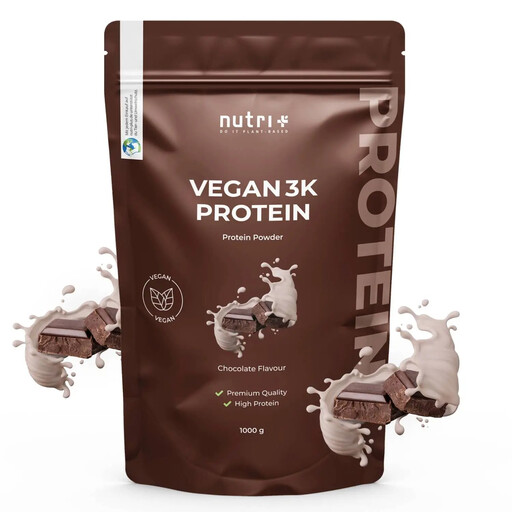
Why This Fits Their Persona: Ideal for users who prioritise a familiar and pleasant taste. The classic chocolate flavour makes it easy to get started with the world of vegan protein shakes.
The combination of three high-quality protein isolates (soy, pea, sunflower) ensures good solubility and a creamy texture, thereby avoiding the 'sand trap'.
Provides a solid foundation with 22g of protein per serving and a complete amino acid profile thanks to the 3-source blend. It is also a wheat-free protein powder.
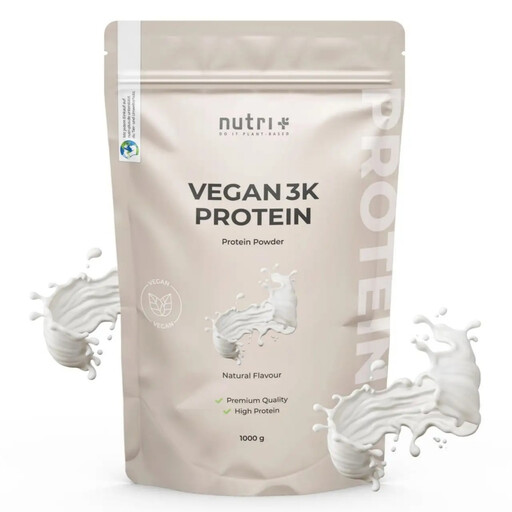
Why This Fits Their Persona: Perfect for users who want maximum control over ingredients. With no flavours, sweeteners, or other additives, it's ideal for cooking, baking, or creating custom shakes.
This product completely bypasses the 'ingredient deception' as it consists solely of three protein sources. It is the definition of a sugar-free protein powder with no additives.
Offers a very high protein content with 25g per serving. Its absolute purity allows for maximum flexibility in use, from neutral shakes to protein-rich baked goods.
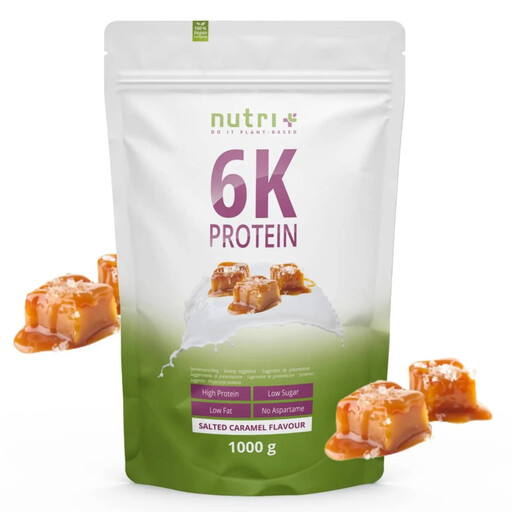
Why This Fits Their Persona: Designed for athletes who seek a complex and diverse protein intake. The 6-component formula provides a particularly comprehensive spectrum of amino acids.
This powder proactively addresses the 'nutrient deficit' by combining six different protein sources, ensuring an exceptionally complete amino acid profile.
The 6-source blend of soy, wheat, rice, pea, sunflower, and almond delivers 24g of protein per serving. The diversity of sources can support a time-released nutrient absorption.
We've compiled a complete, up-to-date list of products that meet these strict selection criteria.
Look for products labelled as "isolate" (e.g., soy protein isolate, pea protein isolate), as they are generally more finely milled and have better solubility. A multi-component vegan protein is often creamier than a single-source powder. Preparing it with a shaker bottle instead of a spoon also significantly improves solubility.
Both a 3-source vegan protein and a 6-source blend provide a complete amino acid profile, which is the fundamental requirement for muscle growth. A 6-source blend offers a wider variety of protein sources, which could theoretically lead to a time-released absorption of amino acids. However, for most users, including ambitious athletes, a high-quality 3-source protein powder is more than sufficient to meet protein needs and support muscle building.
Yes, a plant-based protein powder can be a convenient supplement to your daily diet to help meet your protein requirements. This is particularly relevant for vegans, vegetarians, or individuals with increased protein needs. It serves as a dietary supplement and should complement, not replace, a balanced diet of whole foods.