
Lieferung heute & morgen

Qualitätsgarantie

Willkommens-Angebote freischalten: KOSTENLOSE Lieferung | Bis zu 80 % RABATT | Kostenlose 30-Tage-JoyPlus-Testphase
App herunterladen
The selection of vegan protein powders is vast, but not every product optimally supports your fitness goals. Many powders are filled with unnecessary additives or have an incomplete nutritional profile, which can make purchasing a challenge. As your Joybuy Product Recommendation Officer, I'll help you identify the crucial quality markers and avoid common marketing traps. This guide is based on objective product facts and is designed to provide clear guidance for your buying decision.
Before you decide on a product, it's important to be aware of three common issues that often lead to dissatisfaction:
To ensure you get a high-quality product that meets your needs, you should check three technical specifications.
A high-quality vegan protein powder is distinguished by its combination of multiple plant-based sources. Such a vegan multi-component protein compensates for the weaknesses of individual sources and ensures a complete amino acid profile.
Combining these sources increases the biological value and ensures your body receives all the necessary building blocks for vegan muscle building.
A complete amino acid profile is essential for protein synthesis and post-workout recovery. Look for products that explicitly list all nine essential amino acids. Manufacturers of high-quality multi-component proteins often provide this information. A complete profile is a clear indicator that the plant-based protein powder can offer functionality comparable to whey protein.
A short and understandable ingredients list is often a sign of quality. Check the following points:
Here are some recommendations tailored to different needs and preferences.
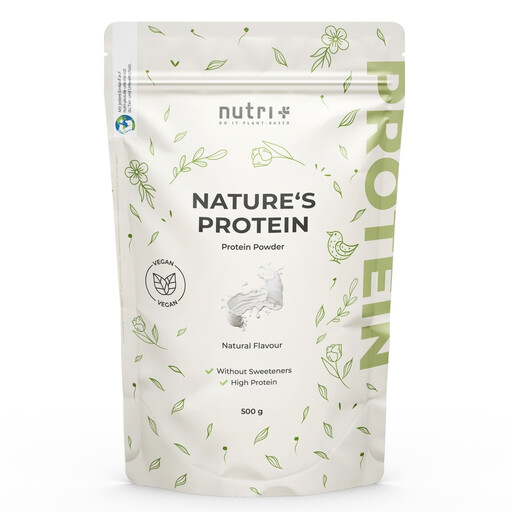
Why This Fits Their Persona: Ideal for individuals who want full control over the ingredients in their protein shake. With no sweeteners or flavours, it can be flexibly integrated into smoothies, porridge, or baked goods.
Completely sidesteps the hidden sugars and additives trap. The 3-component blend of soy, pea, and rice protein also prevents the single-source trap.
Offers a high protein content with 25g per serving and maximum flexibility in preparation. Free from all sweeteners.
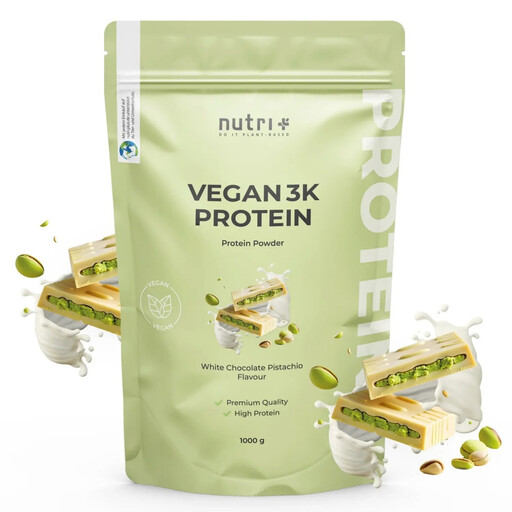
Why This Fits Their Persona: Perfect for anyone who wants to enjoy their daily vegan protein shake without sacrificing flavour variety. This option offers a welcome change from classic tastes.
The base of soy, pea, and sunflower protein ensures a balanced amino acid profile, bypassing the single-source trap. The ingredients list is transparent and free of hidden sugars.
Combines a solid 3-component protein formula with an appealing flavour. Delivers 23g of protein per serving to support muscle maintenance.
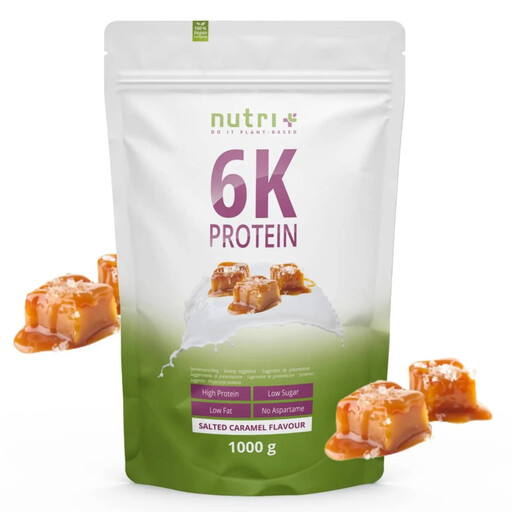
Why This Fits Their Persona: Developed for athletes with high standards for biological value. The 6-component blend aims to deliver an optimised amino acid profile for demanding training goals.
This is a prime example of a multi-component protein, avoiding the single-source trap by combining six different plant-based proteins, including wheat and almond protein.
The complex 6K formula is designed for high biological value. It delivers 24g of protein per serving and is engineered for ambitious athletes.
We have compiled a complete, up-to-date list of products that fully meet these strict selection criteria and German regulations.
For a clump-free consistency, it's best to use a shaker. First, pour the liquid (approx. 300–400 ml of water or a plant-based drink) into the shaker, and then add the powder. Shake vigorously until the powder is completely dissolved.
Yes, muscle growth depends on adequate protein intake combined with regular strength training. A high-quality vegan multi-component protein provides all the essential amino acids the body needs to repair and build muscle tissue, supporting your goals just as effectively as animal-based protein sources.
Soy protein isolate, as used in many high-quality powders, is a recognised, complete protein source. According to current nutritional science, moderate consumption of soy products is safe for most people and is a valuable part of a balanced diet. It provides an excellent amino acid profile and is an effective base for plant-based protein powder.