
Lieferung heute & morgen

Qualitätsgarantie

Willkommens-Angebote freischalten: KOSTENLOSE Lieferung | Bis zu 80 % RABATT | Kostenlose 30-Tage-JoyPlus-Testphase
App herunterladen
Vegan protein powder can help top up your daily protein intake, whether you do strength training, work out at the gym or simply lead an active lifestyle. But there’s a huge range to choose from. Terms such as ‘multi-source protein’, ‘natural’ or ‘for muscle building’ don’t tell you much on their own about whether a product is right for you.
If you’re buying plant-based protein powder, avoid three common pitfalls: choosing an unsuitable protein source, misreading the nutritional information and picking a flavour you won’t use day to day.
A large serving size can make the figures look better at first glance. What matters is how much powder makes up a serving and how much protein it actually contains. So always compare:
With 1 kg of vegan protein powder, the number of servings can vary significantly between products, depending on the serving size.
Protein powder without milk isn’t automatically free from other allergens. Soy protein, wheat protein or almond protein may be included in a plant-based formula. Check the label for possible traces, too.
So if you’re looking for protein powder without milk, don’t just look for the vegan logo: read the ingredients list as well. If you have a known allergy, follow the manufacturer’s allergen labelling.
Flavours such as Chocolate-Coconut, Cookies & Cream or Strawberry-Cream can make it easier to use a protein powder every day. But they don’t tell you anything about the protein source or how sweet the product is. Products without sweeteners may suit people who want to adjust the flavour themselves. Descriptions of natural varieties sometimes state specifically that you can add your own sweetener.
Vegan protein powders can contain ingredients such as pea protein, rice protein and soy protein. Individual sources vary in flavour, texture and amino acid profile. Blends combine several plant-based ingredients, which can affect both their taste and nutritional composition.
For example, a formula containing soy, pea and rice protein isn’t suitable for anyone looking to avoid soy. A blend containing wheat protein, meanwhile, won’t suit a wheat-free diet.
For sportspeople and active people, protein per serving is a useful way to compare products. The products featured here provide around 22 to 25 grams of protein per 30-gram serving, depending on the variety. These figures are based on the product information and may vary between flavours.
Vegan protein for muscle building isn’t a substitute for a balanced diet, and it won’t automatically deliver a particular training result. It can simply be included as part of your daily diet. Follow the recommended serving guidance.
Before buying, check how much liquid the product recommends. The Nutri+ varieties featured here suggest around 300 ml to 400 ml per serving. More liquid makes a thinner shake, while less usually gives you a thicker texture.
Water or plant-based drinks work well for a vegan protein shake. A shaker makes preparation easier; with natural products, you can add sweeteners or other ingredients to suit your taste.
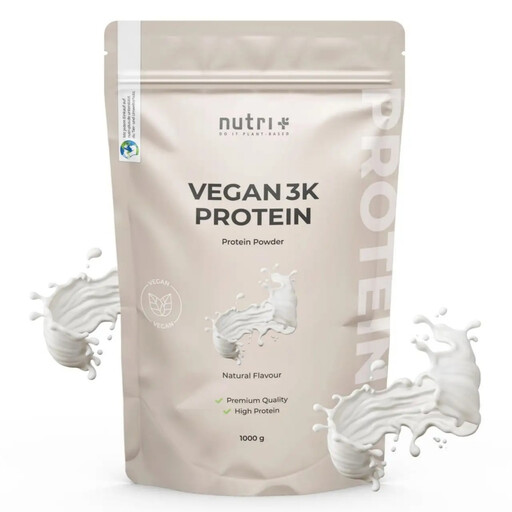
Why it suits this profile: The 1 kg pack is a good choice if you plan to use an unflavoured vegan protein powder regularly and don’t need a specific flavour to start with.
The ingredients list is limited to soy, pea and sunflower protein; no additional sweeteners are listed for this Natural variety.
Mix 30 g of powder with 350–400 ml of liquid; the product information states that each serving provides 25 g of protein.
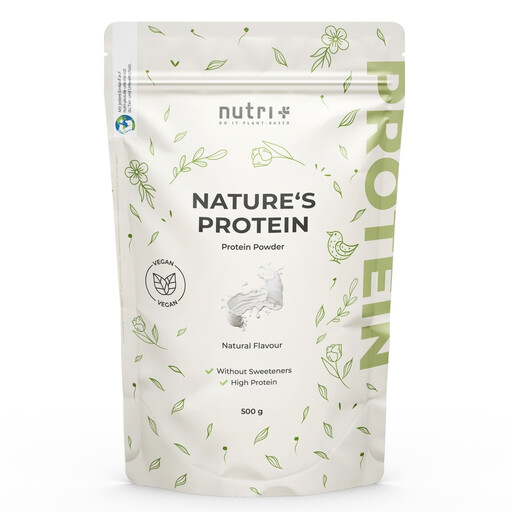
Why it suits this profile: The 500 g pack is a good way to try an unflavoured formula with three plant-based protein sources before committing to a larger quantity.
This variety is described as having no added sweeteners. You can adjust the sweetness to your taste with a plant-based drink or other ingredients.
The product information lists soy, pea and rice protein, and 25 g of protein per 30 g serving.
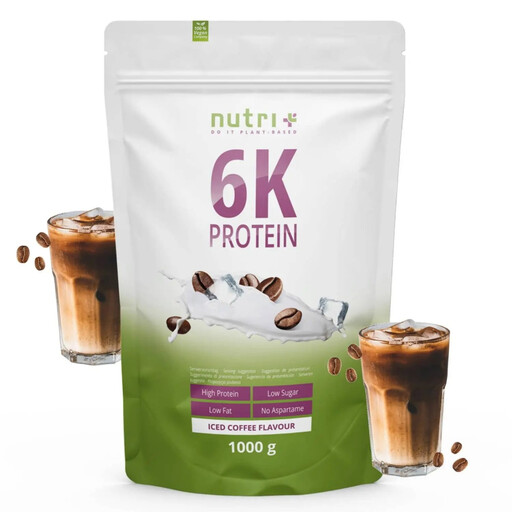
Why it suits this profile: For regular shakes after a workout or as part of your daily routine, the 1 kg pack offers a larger supply and a coffee flavour.
The full ingredients list shows that, alongside soy, rice and pea protein, the formula also contains wheat and almond protein. This helps you make an informed choice if you have allergies or need to avoid certain ingredients.
Mix 30 g of powder with 300 ml of liquid; the product information states that each serving provides 23 g of protein and contains 6% coffee extract.
We’ve put together a complete, regularly updated list of products that meet these strict selection criteria and fully comply with the safety regulations in force in the EU.
Follow the serving guidance on the packaging and use a dry scoop. Store the powder in a cool, dry place and seal the pack again after each use. A prepared vegan protein shake should be drunk soon after mixing and not left unrefrigerated for a long time.
If you train regularly, you can fit a serving into your daily routine. However, when you take it matters less than your overall diet. The product is not a substitute for a varied diet.
When choosing a product, protein per serving, the protein source and how well you tolerate it are all important. Blends of soy, pea and rice protein can be a practical option. However, the phrase ‘for muscle building’ doesn’t guarantee a particular result. Your training, energy intake and overall diet remain key.
The products mentioned usually recommend 30 grams of powder per serving. The amount of liquid is around 300 to 400 ml, depending on the formula. Always follow the information on the product’s label.
The best-before date is shown on the packaging. Once opened, moisture, heat and a poorly sealed pack can affect product quality. Store the powder in a dry place, keep it sealed and protect it from direct heat.