
Lieferung heute & morgen

Qualitätsgarantie

Willkommens-Angebote freischalten: KOSTENLOSE Lieferung | Bis zu 80 % RABATT | Kostenlose 30-Tage-JoyPlus-Testphase
App herunterladen
Vegan protein products range from protein powder and ready-to-drink vegan protein shakes to bars, muesli and chocolate. There’s plenty of choice, but packaging and marketing claims don’t always make it easy to compare products. What matters is the ingredients list, the protein content per serving and how well the product fits into your daily routine.
Vegan means a product is made without ingredients of animal origin. It doesn’t automatically mean it’s free from soya, gluten, peanuts or tree nuts. For example, a vegan protein powder may contain soya protein. Depending on the recipe, Nutri+ products may also contain wheat protein or almond protein.
If you need to avoid certain ingredients, check the full ingredients and allergen lists. Warnings such as “May contain traces of milk” are particularly relevant for vegan chocolate and bars.
A high figure per 100 g doesn’t tell you much about how much protein you’ll actually get in a serving. What matters is the protein content of a typical serving and how large that serving is. According to the product information, a 30 g serving of the Nutri+ powders available contains around 21 to 24 g of protein, depending on the variant.
Vegan snacks often contain considerably less protein. According to its nutritional information, the Eat Natural Peanuts Coconut & Dark Chocolate Bar provides 10.9 g of protein per 100 g. It’s a convenient snack, but not a like-for-like replacement for vegan protein powder.
Depending on the protein source, plant-based protein powder can have its own flavour and a particular texture. Variants containing sucralose are already sweetened. According to the product description, Nutri+ Nature’s Protein Powder is made without sweeteners, so you can add as much sweetness as you like.
The amount of liquid you use also affects the result. For example, 350 to 400 millilitres of liquid is recommended for Nutri+ 3K Protein, while Nutri+ 6K Protein is designed to be mixed with 300 millilitres.
Plant-based protein powder can be made from peas, soya, rice, sunflower seeds, wheat or a blend of several sources. A blend can offer different flavour characteristics and nutritional profiles. You should also check whether the product contains soya, gluten or nuts.
According to the ingredients list, Nutri+ 3K Protein combines soya protein isolate, pea protein isolate and sunflower protein. Depending on the flavour, Nutri+ 6K Protein also contains other sources, such as wheat, rice and almond protein. If you have allergies or intolerances, it’s important to check the specific variant.
Don’t just compare pack sizes. Also check:
A 1 kg pack is practical if you use protein powder regularly. If you’re trying a vegan protein powder for the first time, a 30 g sample or a 500 g pack lets you check the flavour and how well it mixes before buying a larger pack.
Larger packs of powder are a good choice for your daily shake. If you’re looking for something to take to the office, on a trip or when you’re out and about, you might prefer vegan muesli bars, fruit bars or individual portions of powder. High-protein snacks are easy to carry, but often contain more carbohydrates or fat than a protein shake on its own.
When choosing vegan chocolate or vegan sweets, think about what you want them for. They’re ideal for a treat, but usually aren’t a substitute for a high-protein supplement. Nutritional information and serving sizes can help you compare products fairly.
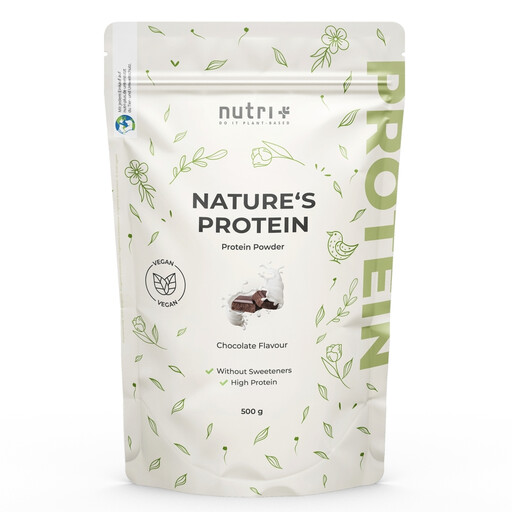
Why it suits this shopper: The 500 g pack is a manageable size for trying it out. According to the product information, each 30 g serving provides 23 g of protein.
According to the ingredients list, the recipe contains no added sweeteners. That means you can choose how sweet to make it instead of settling for a ready-made mix that’s too sweet.
Soya, pea and rice protein; 23 g of protein per stated 30 g serving; add sweetness to suit your taste.
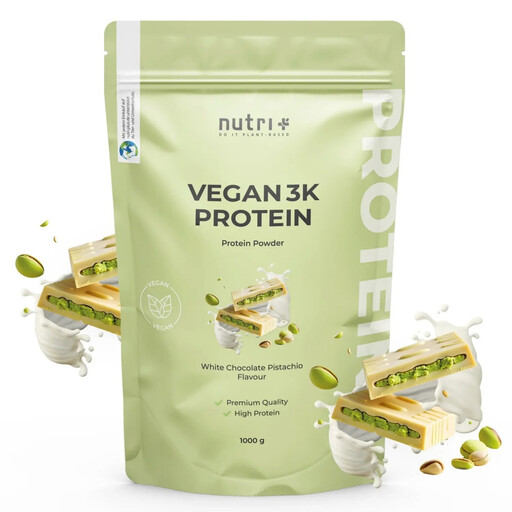
Why it suits this shopper: The 1 kg pack is designed for regular use. According to the product information, each 30 g serving provides 23 g of protein.
The product information clearly lists the protein sources and recommended amount of liquid: 350 to 400 ml. This makes it easier to compare with other blends.
A blend of soya, pea and sunflower protein; 1 kg pack; White Chocolate Pistachio flavour.
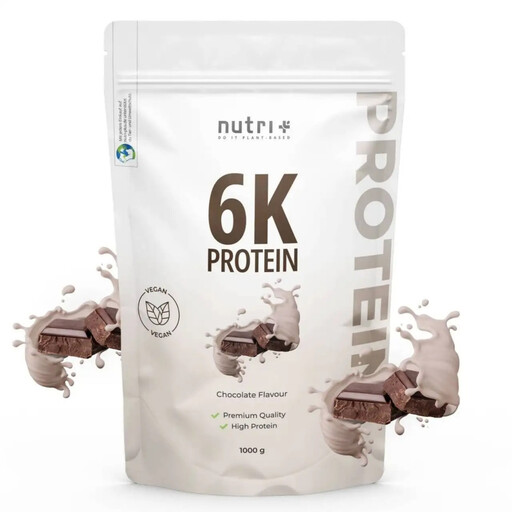
Why it suits this shopper: According to the product information, the recipe contains several plant-based protein sources. With 1 kg in the pack, it’s a good choice for frequent shakes and a consistent nutrition routine.
The ingredients list highlights potential allergens: the product contains soya, wheat and almonds, among other ingredients. This means you can check whether it’s suitable before buying.
Several protein sources; 22 g of protein per stated 30 g serving; mix with 300 ml of liquid.

Why it suits this shopper: Individually wrapped 40 g bars are easy to take to the office, on a trip or after a workout, with no need to prepare a shaker.
The nutritional information lists 10.9 g of protein per 100 g. This makes it clear that the bar is a snack, not a complete replacement for protein powder.
12 individually wrapped bars, 40 g each; described as vegan and gluten-free; contains peanuts and may contain traces of other allergens.
We’ve put together a comprehensive, regularly updated list of products that meet these strict selection criteria and fully comply with the safety regulations in force in the EU.
Check the ingredients list, allergen information and protein content per serving. “Milk-free” or “vegan” doesn’t rule out other allergens such as soya, wheat, peanuts or almonds. If you have an intolerance, you should also check any warnings about possible traces.
The specific shelf life is shown on the packaging. Once opened, store the powder in a cool, dry place and keep it tightly sealed, following the manufacturer’s instructions. Moisture can affect its texture. The best-before date generally applies to the unopened pack when stored correctly.
It depends on the pack size, serving size and protein content. A large pack may be more practical if you use it regularly, while samples and 500 g packs reduce the risk of buying a flavour you don’t like. With bars and vegan chocolate, you’re also paying for ingredients such as nuts, dried fruit or cocoa. That’s why the price per serving is more useful than the pack price alone.