
Lieferung heute & morgen

Qualitätsgarantie

Willkommens-Angebote freischalten: KOSTENLOSE Lieferung | Bis zu 80 % RABATT | Kostenlose 30-Tage-JoyPlus-Testphase
App herunterladen
Finding high-quality vegan protein sources can quickly become overwhelming. The market is filled with products that promise a protein-rich diet, but not all of them deliver what their packaging suggests. Many consumers invest in foods that later turn out to be disappointments loaded with sugar, salt, or fillers. This guide will help you separate the wheat from the chaff and find products that truly fit a health-conscious lifestyle.
Before you fill your shopping cart, you should be aware of the most common marketing traps that often lead to unsatisfactory purchases.
To ensure you are purchasing high-quality protein-rich foods, focus on a few objective, verifiable parameters.
The most important information can be found on the nutrition label. Look for the Protein per 100g value.
A short and understandable ingredient list is often a mark of quality. Ideally, the main protein sources like legumes (beans, lentils, peas) or soy products should be listed first. Be critical of products where sugar, salt, or oils appear high on the list. Organic certifications can also be an indicator that certain additives and pesticides have been avoided.
Consider how you plan to use the product.
Here are some product recommendations tailored to different needs and lifestyles.
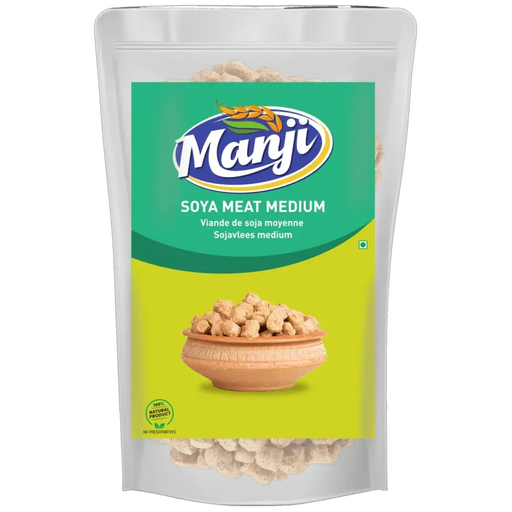
Why it's a great fit: Ideal for anyone looking for a versatile and cost-effective base for their dishes. The soy chunks can be marinated as desired and used for curries, goulash, or stir-fries, allowing for maximum culinary freedom.
This product consists of 100% defatted soy flour. There are no hidden sugars, salts, or additives. You have full control over the seasoning and nutritional value of the final dish.
Extremely high protein content of 52g per 100g. Maximum versatility as a meat substitute in countless recipes.
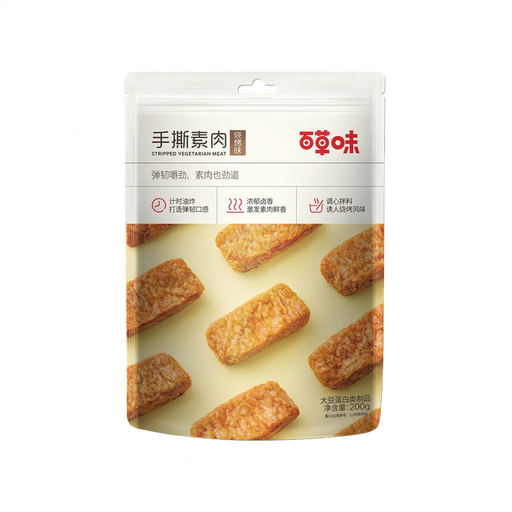
Why it's a great fit: A ready-to-eat, savoury alternative for a quick hunger fix. Ideal as a high-protein snack on the go, at the office, or as a simple side dish when there's no time to cook.
Although it is a seasoned, ready-made product, it offers a solid nutritional value for a snack with 15g of protein per 100g. It's a conscious choice for convenience without misleading health claims.
Ready to eat immediately. The texture mimics meat fibres and provides a satisfying, chewy experience.
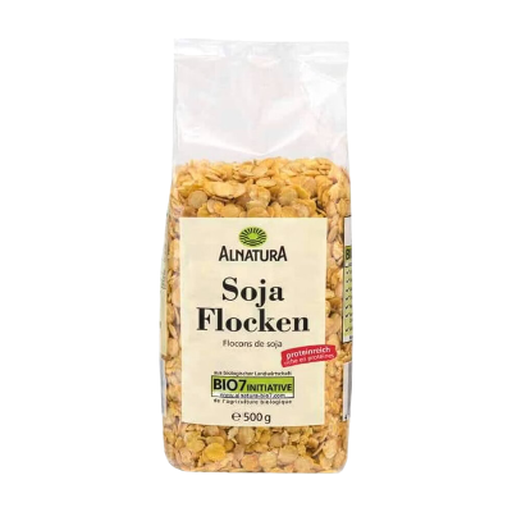
Why it's a great fit: For anyone who values organic farming and minimal processing. These soy flakes are an excellent addition to muesli, porridge, or as a base for homemade patties and sauces.
This product consists only of organic soybeans. The organic certification and the extremely short ingredient list guarantee a pure, unadulterated food without hidden additives.
Very high protein content of 41g per 100g. Organic quality and versatile for both sweet and savoury dishes.
We've compiled a complete, up-to-date list of products that fully meet these strict selection criteria and UK regulations.
Start gradually. Add soy flakes or hemp seeds to your morning muesli. Enrich salads and soups at lunch with chickpeas, beans, or lentils. For dinner, you can prepare dishes based on tofu, tempeh, or textured soy protein. High-protein vegan snacks like roasted chickpeas or a vegan protein bar are good options for in-between meals.
Soy is one of the few plant-based protein sources that contain all nine essential amino acids. For most people, moderate consumption of minimally processed soy products like tofu, edamame, or soy milk is a safe and nutritious part of a balanced diet. Those concerned about genetically modified organisms can opt for products with an organic seal, as the use of genetic engineering is prohibited in organic farming.
No, buying meat substitutes is a convenient but not the only option. A high-protein diet can be excellently designed with unprocessed foods. Legumes like lentils, beans, and peas, as well as pseudo-cereals like quinoa, nuts, and seeds, are excellent protein sources. Meat substitute products can be a useful addition to bring variety to your meal plan, but they are not a necessity.