Vegan shoppers comparing fat content
You’re looking for a clearly labelled vegan bar and comparing fat per 100 g, rather than relying on general terms such as “light”.


If you’re looking for a vegan snack bar with less fat, first check that it’s clearly labelled vegan, then compare the fat content per 100 g of similar bars. On the REWE product pages reviewed, the vegan Eat Natural fruit bar has less fat, at 6.4 g per 100 g, than Corny Haferkraft Kakao Zero at 10.6 g and Barebells Salty Peanut vegan at 17 g. However, it also contains more sugar. A lower fat figure within this small selection doesn’t automatically make a bar “low fat”.
You’re looking for a clearly labelled vegan bar and comparing fat per 100 g, rather than relying on general terms such as “light”.
You want a vegan bar to enjoy on the go that has no added sugar. You still check the fat content, sugar and sweetening ingredients separately.
You look for plant-based protein in a snack and also compare fat per 100 g and check the allergy information on the pack.
When choosing a vegan snack bar, start with the labelling. Then compare the nutritional values based on your main priority, rather than treating fat, sugar and protein as interchangeable qualities.
| Criteria | What to check when buying | Who it matters to |
|---|---|---|
| Vegan labelling | Look for an explicit vegan statement or vegan label; if you have allergies, check the allergy information too. | When I shop vegan, I don’t want to rely on the ingredients list alone to work out whether a product is suitable. Around 29% of consumers put clear vegan labelling first. |
| Comparing fat content | Compare fat per 100 g across similar types of bar, and don’t assume a lower figure means the product is labelled “low fat”. | What matters most to me is the fat content of a comparable bar, even if its other nutritional values differ. Around 29% of consumers prioritise this comparison. |
| Sugar and sweetening ingredients | Check the sugar per 100 g and the ingredients; don’t confuse “no added sugar” with “sugar-free”. | With a fruit or oat bar, I want to know whether its sugar or sweetening ingredients suit my preferences better than a lower fat content. Around 24% of consumers prioritise this balance. |
| Protein and portion size | Compare protein per bar and per 100 g with fat per 100 g; check for allergens if needed. | For a snack on the go, plant-based protein matters more to me than the lowest possible fat content. Around 18% of consumers prioritise this. |
A vegan recipe tells you nothing about a product’s fat content. Under EU Regulation (EC) No 1924/2006, a “low fat” claim on solid foods requires a maximum of 3 g of fat per 100 g.
Compare the fat per 100 g of similar bars, and assess any such claim separately from the vegan labelling.
The vegan Eat Natural fruit bar listed by REWE contains 6.4 g of fat, but also 48.1 g of sugar per 100 g. Corny Haferkraft Kakao Zero is marketed as having no added sugar; its nutrition information lists 31.8 g of polyols per 100 g.
Decide whether fat, added sugar or the sweetening ingredients matter most to you, then check the relevant information.
A vegan bar can still contain allergens. The Barebells Salty Peanut vegan bar listed by REWE contains peanuts and soya, and carries a warning that it may contain traces of other allergens.
If you have allergies or intolerances, always check the ingredients and allergy information on the specific pack you buy.
ALDI SÜD notes that special-buy products may be available in limited quantities and can sell out quickly.
If you want to buy a bar regularly, check whether it’s part of the standard range and keep a suitable alternative in mind.
You may need to make an extra trip if the special-buy product you planned to get is unavailable.
The vegan fruit bar listed by REWE gives you a specific fat figure to compare with similar bars.
According to REWE, Haferkraft Kakao Zero is a vegan oat bar with no added sugar.
Salty Peanut vegan is a protein bar for shoppers who value plant-based protein more than the lowest possible fat content.
Lidl Germany describes Vemondo as a plant-based product range.
ALDI SÜD sometimes stocks snacks labelled vegan among its protein products.
These bars are worth considering when comparing options for a vegan shop. Check the vegan labelling on each specific pack and compare fat per 100 g within the relevant type of bar. The selection doesn’t mean any of these products is labelled “low fat” or “reduced fat”.
 No image available
If you’re looking for a cereal bar to enjoy on the go, compare its fat and sugar separately and check the vegan labelling. The pack contains 4 bars of 35 g each.
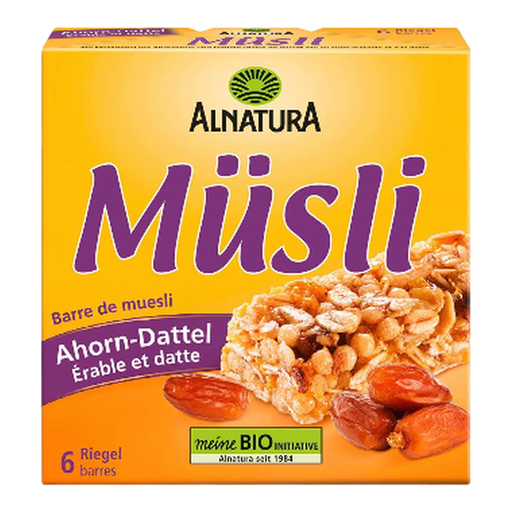 No image available
With a muesli bar made with maple syrup and dates, it’s worth comparing sugar per 100 g as well as fat, and checking the vegan labelling. The pack contains 6 bars of 25 g each.
 No image available
For an oat flapjack with blueberries, check fat and sugar per 100 g rather than judging by portion size alone. The bar weighs 60 g; if you’re shopping vegan, check the labelling on the specific pack.
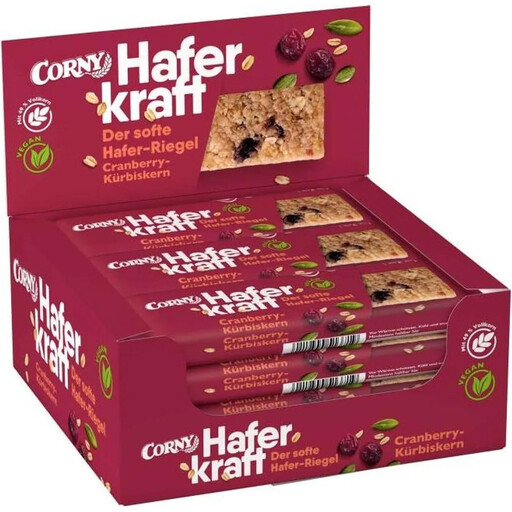 No image available
The pack of 12 bars, each weighing 50 g, is a handy option if you’re planning ahead and want to have several snacks on hand. Before buying, compare fat and sugar per 100 g and check the vegan labelling on the specific pack.
Under EU Regulation (EC) No 1924/2006, a “low fat” claim on solid foods requires a maximum of 3 g of fat per 100 g. A bar isn’t low fat just because it has the lowest fat content in a small selection.
No. According to the Verbraucherzentrale, you can’t tell for certain whether a product is suitable for vegans from the ingredients list alone. Look for clear vegan labelling or an appropriate vegan label when you shop.
No, these claims describe different qualities. The vegan Corny Haferkraft Kakao Zero bar listed by REWE is marketed as having no added sugar; its nutrition information lists 10.6 g of fat and 31.8 g of polyols per 100 g. Check fat, sugar and sweetening ingredients separately.
Yes. “Vegan” doesn’t mean allergen-free. The Barebells Salty Peanut vegan bar listed by REWE contains peanuts and soya; the product information also warns that it may contain traces of other allergens. If you have allergies, always check the labelling on the specific pack you buy.