
Lieferung heute & morgen

Qualitätsgarantie

Willkommens-Angebote freischalten: KOSTENLOSE Lieferung | Bis zu 80 % RABATT | Kostenlose 30-Tage-JoyPlus-Testphase
App herunterladen
Vegan supplements come as capsules, powders, tablets and softgels. For vegans, vegetarians and anyone interested in plant-based ingredients, the choice can quickly become overwhelming. Terms like “natural”, “organic” or “adaptogen” alone tell you little about dosage, origin or how practical they are for everyday use.
If you’re looking for products to support digestion, stress balance, energy or antioxidant nutrition, you shouldn’t just focus on the name or the number of capsules. What really counts are clear, verifiable details on the label and a formulation that matches your personal needs.
A plant-based raw ingredient can be natural without the origin, extract ratio or active compound content being clearly stated. With ashwagandha capsules, for example, it matters whether you’re getting a root powder or a standardised root extract. With resveratrol, you should also be able to see whether the amount refers to trans-resveratrol, the total extract or the daily serving.
A pack of 180 or 240 capsules looks generous at first glance. But to compare prices properly, you need to consider the recommended daily dose. Three capsules a day will shorten the product’s lifespan compared with a one-capsule serving. This difference is especially relevant with spirulina and chlorella or moringa.
“Vegan” doesn’t just refer to the plant ingredient itself; it also covers the capsule shell, excipients and any processing involved. With organic supplements, a specific inspection body code or a recognised organic certification mark should be listed. It’s also worth checking for allergens, sweeteners, colourings and anti-caking agents.
Start by checking:
With triphala capsules, the three traditionally combined fruits – amla, Terminalia chebula and Terminalia bellirica – should be clearly listed in the ingredients. According to the product information, the Himalaya product contains both organic triphala extract and triphala powder.
Plant-based capsules are often made from hydroxypropyl methylcellulose. For a vegan diet, this type of capsule shell is generally suitable, provided the other ingredients are also free from animal-derived components. Claims such as gluten-free, dairy-free or soya-free should be checked directly on the product and not assumed from the product name alone.
A quick comparison of ingredients helps you spot unnecessary extras. The ashwagandha product from Best Body Nutrition lists KSM-66 ashwagandha root extract and a VcapsPlus capsule shell, according to the product description. The resveratrol product, on the other hand, also includes quercetin and magnesium stearate.
Work out the maths:
Pack duration = number of capsules ÷ capsules per day
Storage instructions are also important. Many products should be kept dry, away from light and at room temperature. Once opened, a shorter use-by period may apply. This matters with larger packs, so that the amount you take realistically matches your personal needs.
The recommendations below don’t rank products by blanket quality judgements, but by formulation, serving size and the intended use stated for each.
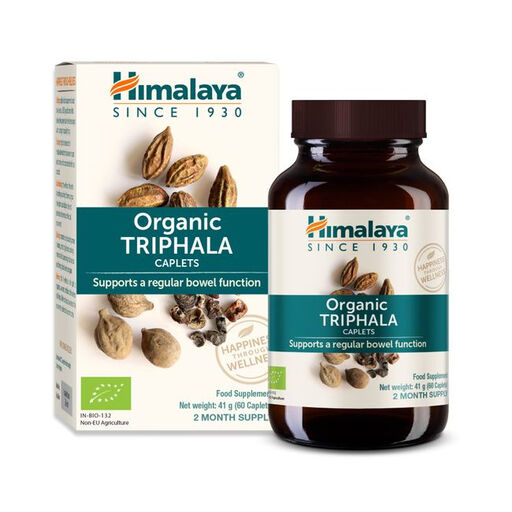
Why this product fits the profile: The stated intake of one capsule a day is straightforward and ideal for anyone trying plant-based supplements for digestion and wellbeing for the first time.
The three listed fruits, along with the extract and powder amounts, are clearly stated in the product information.
Vegan, gluten-free and with no declared allergens; one capsule per daily serving.
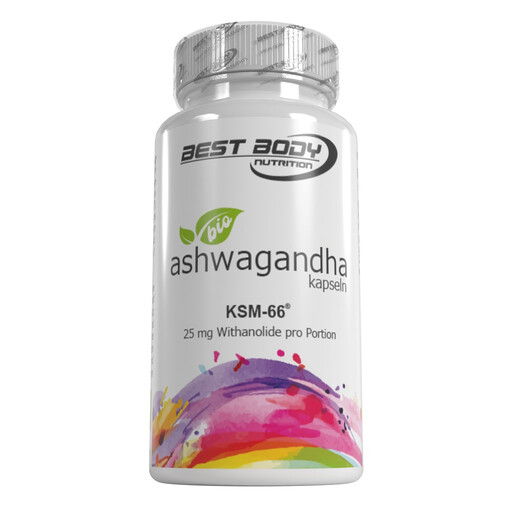
Why this product fits the profile: Ideal for buyers who prefer a stated extract and clearly quantified formulation over a non-standardised powder.
The product information states 500 mg of root extract per capsule and 25 mg of withanolides, making the serving easy to compare.
Organic raw material according to the product description, vegan Vcaps capsule and free from flavourings, fillers and preservatives.
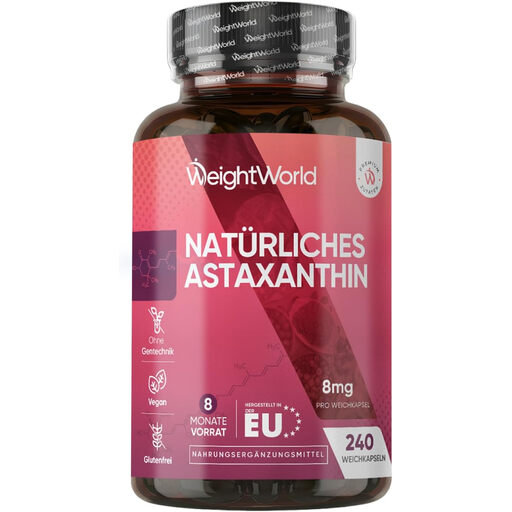
Why this product fits the profile: The pack is designed for one softgel a day, making it ideal for anyone looking for a long-term, predictable serving routine.
The product description states the algal origin, 8 mg of astaxanthin per softgel and a clear dosage recommendation.
240 vegan softgels, gluten-free and with no magnesium stearate according to the product information.
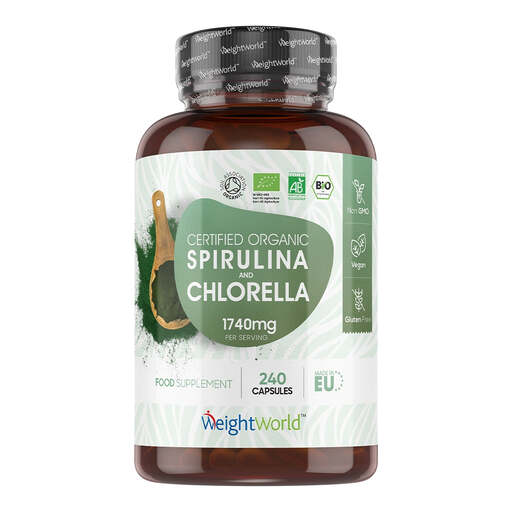
Why this product fits the profile: The combination of two organic microalgae is aimed at adults who prefer to supplement vegan vitamins and minerals through plant-based food sources.
The formulation clearly names both algae, the organic certification and the daily serving of three capsules.
240 capsules, certified organic raw materials according to the product information, plus a vegan and gluten-free formulation.
We’ve put together a full, regularly updated list of products that fully meet these strict selection criteria and the safety regulations in force in the EU.
Depending on your goal, moringa capsules, resveratrol with quercetin or shilajit capsules may also be relevant. With combinations containing several plant compounds, pay particular attention to the total amount and possible interactions. Products with natural adaptogens such as ashwagandha, or blends with shilajit, cordyceps and black pepper, aren’t automatically suitable for everyone.
Supplements are not a substitute for a balanced diet. Pregnant and breastfeeding women, as well as anyone with a medical condition, upcoming surgery or regular medication, should consult a healthcare professional before use. The recommended daily dose must not be exceeded.
Beginners usually benefit from a simple ingredient list, a clear daily serving and a pack size that doesn’t require a long-term commitment upfront. A single product is easier to evaluate than a complex blend of several extracts.
The best-before date is printed on the packaging. After opening, additional instructions may apply – for example, use within three or six months. Keep products dry, away from light and at the storage temperature specified by the manufacturer.
No. Organic primarily refers to the production and origin of the agricultural raw materials. When making your buying decision, dosage, extract standardisation, capsule shell, allergens and personal tolerance remain just as important.