
Lieferung heute & morgen

Qualitätsgarantie

Willkommens-Angebote freischalten: KOSTENLOSE Lieferung | Bis zu 80 % RABATT | Kostenlose 30-Tage-JoyPlus-Testphase
App herunterladen
Finding sweets that fit a conscious lifestyle can be a challenge. Whether for ethical reasons, personal health, or specific dietary needs, today's demands on snacks are more diverse than ever. Many consumers are looking for products without animal ingredients, with less sugar, or with a higher protein content.
This article serves as a guide. We'll introduce a selection of products that cater to different needs and provide you with practical criteria to find the right confectionery for you. Our goal is to offer an objective basis for your purchasing decision.
To find products that meet your expectations, it can be helpful to consider a few key aspects.
The most reliable way to identify vegan products is by checking the ingredient list. Look out for common non-vegan ingredients like milk powder, whey products, clarified butter, honey, gelatin, or carmine (E 120). Official seals like the V-Label provide additional assurance. For consumers who value ethical production, certifications such as Fairtrade or Rainforest Alliance offer guidance for fair-trade chocolate and other cocoa-based products.
Depending on your dietary goals, nutritional values play a crucial role. Those looking for snacks with no added sugar should pay attention to the "of which sugars" line and check which alternative sweeteners are used. Sugar substitutes like maltitol or erythritol are common alternatives but can have a laxative effect if consumed in excess. For active individuals or as part of a high-protein diet, protein chocolate can be an interesting option. In this case, it's worth comparing the protein content per 100 grams.
Beyond a vegan formula, other criteria are relevant for many consumers. Individuals with celiac disease or gluten sensitivity should specifically look for products labelled as "gluten-free". Gluten-free snacks are often made from rice, corn, or nuts. Allergen information at the end of the ingredient list is also a vital source of information, as it indicates possible traces of allergens like nuts, soy, or milk.
Here is a selection of products that cater to various preferences—from high-protein to purely plant-based.
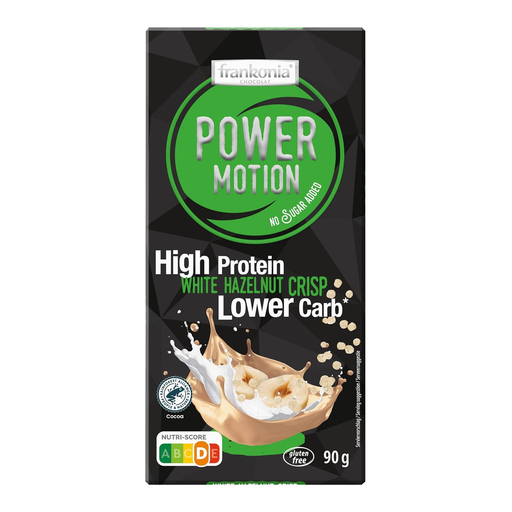
Note: This product is not vegan as it contains milk products. It is listed here as an alternative for consumers whose focus is on high protein content and no added sugar.
Why it stands out: This chocolate from frankonia combines a high protein content with no added sugar. The sweetness comes from the sugar substitute maltitol. Its texture is defined by crispy soy and milk protein crisps, along with a creamy hazelnut paste.
Benefits:
Who is it for? This product is aimed at individuals looking for a high-protein snack for in-between meals or after a workout, who want to avoid added sugar but do not follow a strict vegan diet.

Why it stands out: The Eat Natural bar is a classic vegan bar based on a mix of nuts, fruits, and dark chocolate. It is explicitly labelled as vegan and gluten-free and contains no artificial colours, flavours, or preservatives.
Benefits:
Who is it for? Ideal for vegans, people with gluten intolerance, and anyone looking for a simple, natural snack to satisfy small cravings. The bar is convenient for travel, the office, or as an energy boost before or after sports.
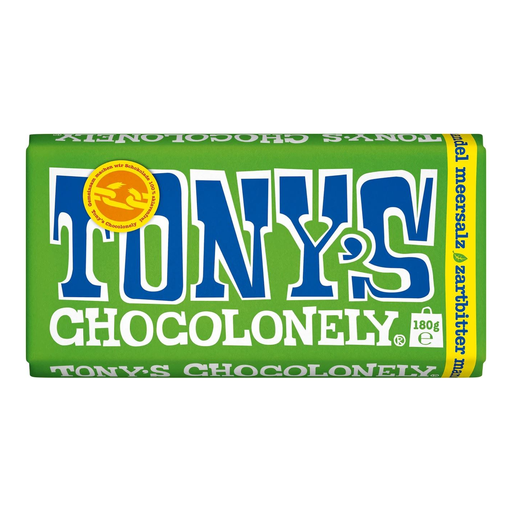
Why it stands out: This bar is an example of vegan dark chocolate that combines flavour complexity with an ethical commitment. The Tony's Chocolonely brand is known for its dedication to slave-free cocoa production. The combination of rich chocolate, crunchy almonds, and a pinch of sea salt creates a balanced taste experience.
Benefits:
Who is it for? For lovers of dark chocolate who are looking for a vegan option with a unique flavour profile. It also appeals to consumers who prioritise the social and ethical aspects of production when making a purchase.
If you have a particular fondness for the combination of chocolate and nuts, you can find a wider selection of products catering to different tastes and dietary needs in our Nut Chocolate category.
The surest way is to check the ingredient list for animal-derived components like milk, honey, or gelatin. Many manufacturers also use explicit labels, such as the V-Label, to identify their products as vegan.
No, not necessarily. Although many dark chocolates are made only from cocoa mass, cocoa butter, and sugar, some manufacturers add milk fat or milk powder to alter the texture. Therefore, it's always wise to check the ingredients.