
Lieferung heute & morgen

Qualitätsgarantie

Willkommens-Angebote freischalten: KOSTENLOSE Lieferung | Bis zu 80 % RABATT | Kostenlose 30-Tage-JoyPlus-Testphase
App herunterladen
Vegan protein powder can be an easy way to top up your daily protein intake – at breakfast, in a vegan protein shake or as post-workout protein. There’s plenty of choice, from single protein sources to 3K and 6K blends, from 500 g packs to 1 kg of vegan protein, and from unflavoured formulas to a wide range of flavours.
But product names and marketing claims alone aren’t enough to make an informed choice. The ingredients list, protein content per serving, allergens and how the product fits into your daily routine all matter.
Names such as 3K vegan protein or 6K vegan protein usually indicate a blend of several plant-based protein sources. That may make for an interesting mix, but it doesn’t in itself tell you whether the product is right for you. A 6K product, for example, may contain soya, wheat, rice, pea, sunflower and almond. If you have particular allergies or intolerances, a shorter ingredients list may be easier to check.
If you’re looking for soya-free protein powder or wheat-free protein powder, check the full ingredients list. Plant-based protein powders may contain soya protein isolate or wheat protein, or carry warnings about possible traces. Even on a vegan diet, allergens such as peanuts, tree nuts and gluten are important to check for.
A product may advertise a high protein content per serving, even though serving sizes vary. So always compare:
This makes it easier to judge whether a plant-based protein powder fits your daily budget and individual eating plan.
Common plant-based protein sources include pea, rice, soya, sunflower, almond and wheat. A blend can bring together different flavour and texture properties. If you’re looking for vegan protein powder without particular allergens, don’t judge the individual ingredients by the product name alone.
The products featured here include 3K formulas based, among other things, on soya, pea and sunflower protein. The 6K formulas also contain rice, wheat and almond protein. This may appeal to some shoppers, but rules out soya-free protein powder and wheat-free protein powder.
Depending on the formula, the products featured provide around 22 to 25 g of protein per 30 g serving. This figure is useful for athletes and fitness enthusiasts, but should be considered in the context of your overall diet. Protein powder is not a substitute for a balanced and varied diet.
To make a vegan protein shake, the powder is usually mixed with water or a plant-based drink, following the manufacturer’s instructions. The products featured require around 300 to 400 ml of liquid. More liquid will generally give you a thinner consistency.
A flavoured product may make it easier to use protein powder regularly, but depending on the variety, it may contain flavourings and sweeteners. According to the product details, Nature’s Protein formulas contain no added sweeteners. The Vanilla and Chocolate varieties are intended to have extra sweetness.
If you’re looking for vegan protein in a range of flavours, options include Chocolate, Cookies & Cream, Banana, Strawberry-Cream, Mango-Maracuja, Hazelnut and Tiramisu. For coffee or cocoa formulas, it’s also worth checking the caffeine or coffee content.
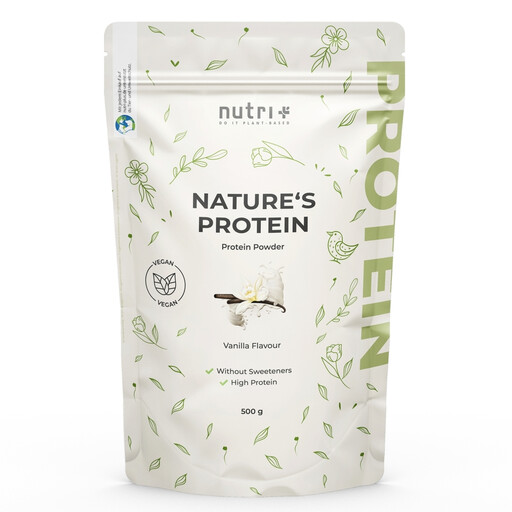
Why this product suits this profile: The 500 g pack is a good way to try a more neutral formula. According to the product details, each 30 g serving provides 25 g of protein.
The smaller pack reduces the risk of buying a large quantity of a formula you may not enjoy. The ingredients list is easy to check, with soya, pea and rice protein.
500 g pack, 25 g of protein per stated serving and a formula with no added sweeteners, according to the product description.
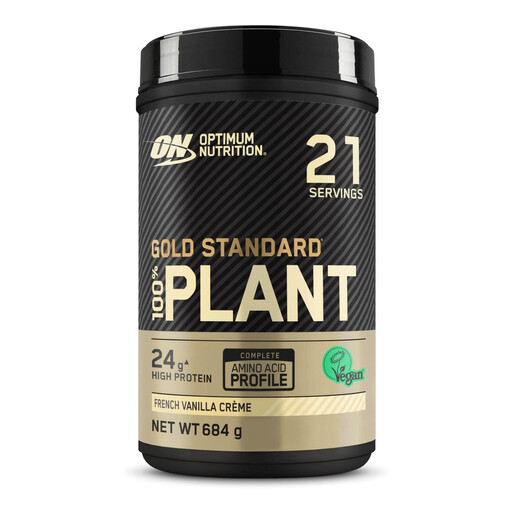
Why this product suits this profile: According to the product details, the formula is based on pea and rice protein. This vegan powder provides 24 g of protein per 36 g serving.
The protein content is given alongside a clearly stated serving size. Soya isn’t listed in the ingredients, although possible traces of gluten and peanuts are mentioned.
Pea and rice protein, 21 stated servings per container and preparation with 180 to 240 ml of water, according to the product details.
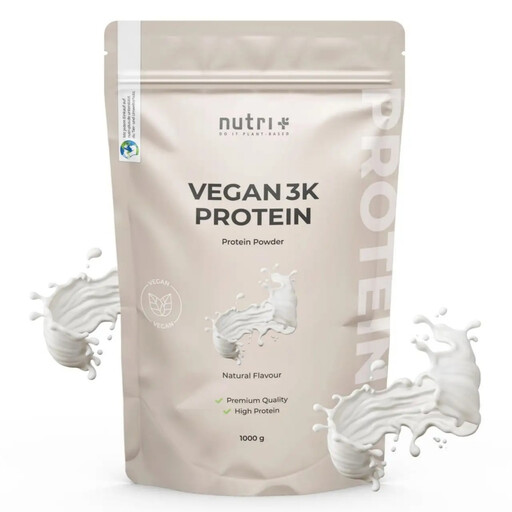
Why this product suits this profile: The 1 kg pack is well suited to regular users. The 3K blend combines soya, pea and sunflower protein and provides 25 g of protein per 30 g serving, according to the product details.
The protein per serving and recommended liquid quantity of 350 to 400 ml are clearly stated. The formula contains no wheat protein, but it isn’t soya-free.
1 kg pack, 25 g of protein per stated serving and a straightforward blend of three plant-based protein sources.
We’ve put together a complete, regularly updated list of products that meet these strict selection criteria and fully comply with the safety regulations in force in the EU.
To make a plant-based protein shake, pour the liquid into your shaker first, then add the powder. Always follow the specific manufacturer’s instructions. The products featured here recommend around 30 to 36 g of powder per serving.
Also bear the following points in mind:
If opened protein powder is stored in dry, hygienic conditions, it can be used up to the best-before date printed on the pack. Moisture, an unusual smell, clumping or changes in colour are signs that you shouldn’t use the product any further.
Protein powder can supplement your protein intake as part of a balanced diet. The main things to consider when choosing one are protein per serving, ingredients, how well you tolerate it and whether the serving size suits you. The term protein powder for muscle building is no substitute for an individual training or nutrition plan.
For the products featured here, the recommended amount is usually 30 g of powder per serving. The Optimum Nutrition product specifies 36 g. Always follow the instructions on the relevant packaging. You can adjust the amount of liquid to get the consistency you prefer.
Yes, formulas without these ingredients are available. However, check the ingredients list carefully, as ‘vegan’ alone doesn’t mean soya-free or wheat-free. The 3K varieties featured here contain soya, while the Optimum Nutrition product is based on pea and rice protein according to its ingredients list and lists possible traces of gluten.