
Lieferung heute & morgen

Qualitätsgarantie

Willkommens-Angebote freischalten: KOSTENLOSE Lieferung | Bis zu 80 % RABATT | Kostenlose 30-Tage-JoyPlus-Testphase
App herunterladen
The demand for alternatives to traditional potato crisps is on the rise. Consumers are seeking snack options made from different base ingredients and using various production methods. This article provides an objective analysis of vegetable crisps, based on criteria such as ingredients, nutritional values, and production methods. The goal is to provide an informed basis for your purchasing decision.
Evaluating vegetable crisps requires a look at their technical specifications. Four key factors are crucial for making an informed selection.
The foundation of any vegetable crisp is its base ingredient. This largely determines the flavour, texture, and nutritional profile.
The preparation method has a direct impact on the fat content and crunchiness of the final product.
A short, clear ingredient list is often a hallmark of a less processed product. Pay attention to the percentage of the main ingredient. A high vegetable content (e.g., >80%) indicates that the flavour comes primarily from the ingredient itself, not from flavourings. Products without artificial preservatives, colours, or flavours are often referred to as "Clean Label".
The nutrition table per 100g provides the key data for comparison:
The following selection is based on an analysis of the criteria mentioned above. Each product is presented based on its specific characteristics and composition.
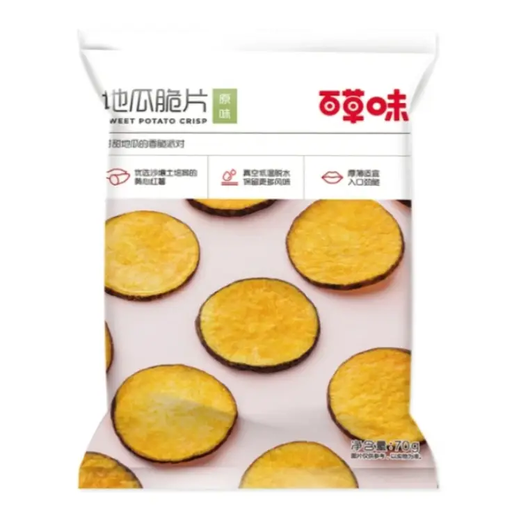
Why we recommend this product: This product stands out for its high sweet potato content (80%) and a production method that avoids frying. The ingredient list is concise, featuring sweet potato and palm oil. The natural sweetness of the sweet potato is preserved, delivering an authentic taste experience.
Pros:
Best for: Consumers looking for a classic yet healthier crisp alternative who prefer the sweet taste of sweet potato crisps. Ideal for the office or as a snack between meals.
Nutritional Information (per 100g): | Nutrient | Amount | | :--- | :--- | | Energy | 2704 kJ / 646 kcal | | Fat | 53.5 g | | - of which saturates | 2.0 g | | Carbohydrates | 40.6 g | | - of which sugars | 24.8 g | | Protein | 2.0 g | | Salt | 0.7 g |
→ To the product: BE&CHEERY Sweet Potato Crisps
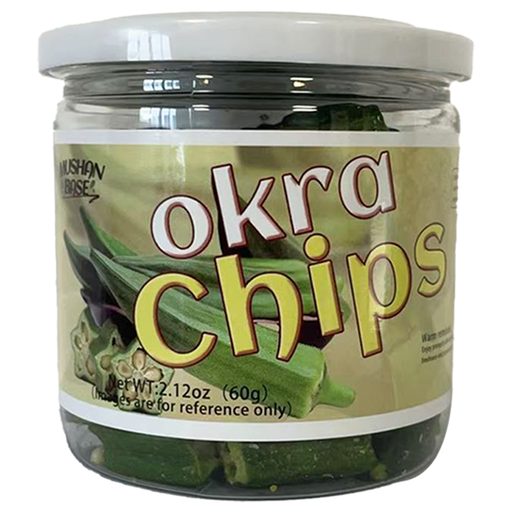
Why we recommend this product: The Okra Crisps from MUSHAN BASE offer an innovative snacking experience by using an unconventional ingredient. The manufacturer states they use a special crisp-drying process to preserve the nutrients and texture of the fresh okra (content ≥50%). A light sweetening with malt syrup rounds out the flavour profile.
Pros:
Best for: Adventurous consumers and food enthusiasts who want to discover new flavours and textures. Also a great choice for those looking for a creative ingredient for their dishes.
Nutritional Information (per 100g): | Nutrient | Amount | | :--- | :--- | | Energy | 1963 kJ / 469 kcal | | Fat | 16.3 g | | - of which saturates | 8.2 g | | Carbohydrates | 76.8 g | | - of which sugars | 26.3 g | | Protein | 3.2 g | | Salt | 0.5 g |
→ To the product: MUSHAN BASE Crispy Okra
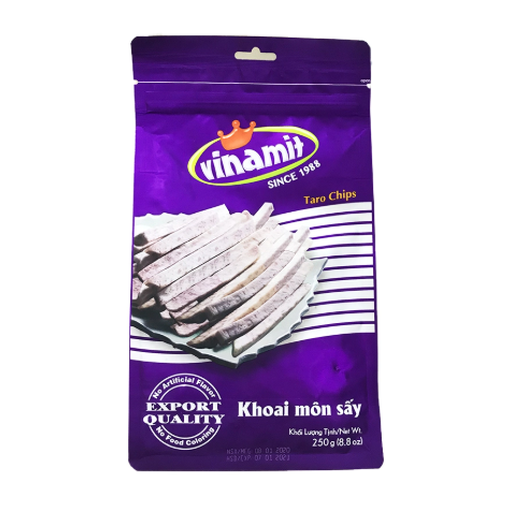
Why we recommend this product: The Taro Chips from Vinamit impress with their minimalist composition. With 98% fresh taro and only 2% palm oil, the ingredient list is extremely short. The product is salt-free (0 g salt per 100 g) and is produced using vacuum-frying technology. This process helps to preserve the natural flavour and nutrients of the taro root.
Pros:
Best for: Health-conscious consumers, purists, and individuals looking for a low-salt or vegan crisp option. Ideal for anyone who appreciates the unadulterated, nutty flavour of the taro root.
Nutritional Information (per 100g): | Nutrient | Amount | | :--- | :--- | | Energy | 1858 kJ / 444 kcal | | Fat | 11 g | | - of which saturates | 5 g | | Carbohydrates | 82 g | | - of which sugars | 23 g | | Protein | 4 g | | Salt | 0 g |
→ To the product: Vinamit Taro Chips
The products featured here offer a glimpse into the diversity of vegetable crisps. The market for healthy snacks is constantly evolving, encompassing a wide range of products made from different vegetables and with various production methods.
For a more comprehensive overview of other options, you can explore our Other Vegetables category.
1. Are vegetable crisps inherently healthier than potato crisps? Not necessarily. The health assessment depends on the ingredients, the nutritional profile (especially fat, sugar, and salt content), and the production method, not just the type of vegetable. A baked vegetable crisp with a short ingredient list can be a nutritionally better choice than a highly processed, fried potato crisp with many additives.
2. What does "vacuum-fried" mean for crisps? Vacuum-frying is a process where food is cooked in oil under reduced pressure. This lowers the boiling point of the water within the food, allowing it to become crispy at lower temperatures (e.g., below 100°C). According to proponents of this method, this can result in less oil absorption and better retention of nutrients and the raw ingredient's natural colour.
3. Are vegetable crisps suitable for a vegan diet? Most vegetable crisps are naturally plant-based and therefore vegan crisps. However, it is always advisable to check the ingredient list. Some products may contain dairy (e.g., in the form of cheese powder seasonings) or other non-vegan additives. The products from MUSHAN BASE and Vinamit featured here are suitable for a vegan diet, according to the manufacturers.