
Lieferung heute & morgen

Qualitätsgarantie

Willkommens-Angebote freischalten: KOSTENLOSE Lieferung | Bis zu 80 % RABATT | Kostenlose 30-Tage-JoyPlus-Testphase
App herunterladen
A good vegetable knife is perhaps the most-used tool in the kitchen. But this seemingly simple helper is where costly pitfalls often lie. Many models that seem impressive at first turn out to be a bad investment after just a few months—whether due to a blade that dulls quickly, an uncomfortable handle, or unsuitable materials. As your Joybuy Product Recommendation Officer, I'll help you see through marketing promises and make an informed decision that will pay off for years to come.
Before you invest, you should be aware of the typical problems that often only become apparent during daily use.
To avoid these pitfalls, focus on three verifiable criteria. These define the durability, safety, and functionality of your new kitchen tool.
The heart of any knife is its blade. High-quality stainless steel is the standard here. Look for terms like "ice-hardened" (e.g., FRIODUR on Zwilling knives), which indicates a special hardening process that makes the blade more resistant to corrosion and wear. Hardness is measured in Rockwell (HRC). A good value for kitchen knives is between 55 and 58 HRC. This offers a great balance of edge retention (the ability to stay sharp) and flexibility, ensuring the blade isn't too brittle and is easy to work with when resharpening.
The shape of the blade determines its intended use. A small, versatile small kitchen knife is often also called a utility knife or paring knife.
The handle is the interface between you and the blade. It must fit securely in your hand, even when wet.
Based on the criteria above, we have identified several models suitable for different needs and budgets.
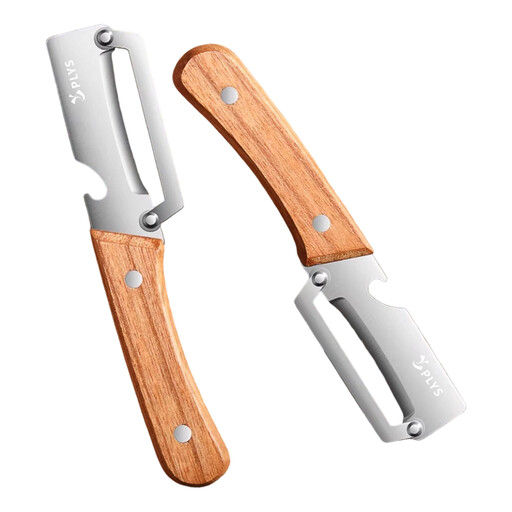
Why it's a match: This practical vegetable knife set offers excellent value for money. With two knives, you're flexibly equipped—one for the kitchen, the other for the office or a camping trip. Ideal for anyone looking for a functional starter set without a high investment.
The solid wood handle feels significantly better in the hand than cheap, hollow plastic handles, thus avoiding the ergonomics trap. The food-grade stainless steel blade provides a solid foundation for everyday use.
Two knives in the set for maximum flexibility at a very accessible price.
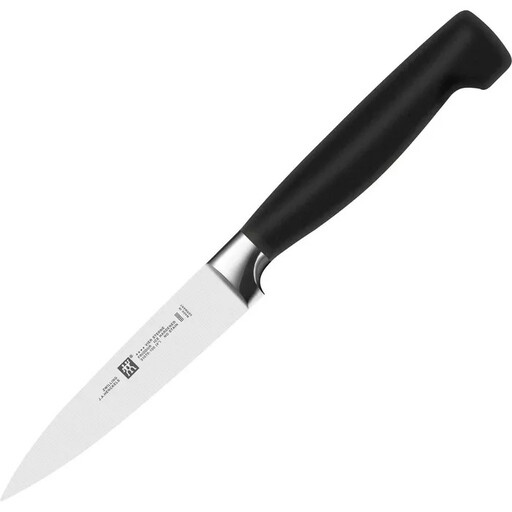
Why it's a match: For home cooks who value durability, precision, and "Made in Germany" quality. This Zwilling paring knife is a versatile utility knife suitable for almost all small cutting tasks and will perform reliably for years.
The FRIODUR ice-hardened blade made from special formula steel resists the "soft steel trap" with its excellent edge retention. The seamless, ergonomic plastic handle ensures safety and hygiene, solving the ergonomics problem.
Forged from a single piece of steel (SIGMAFORGE), which provides outstanding balance, stability, and durability.
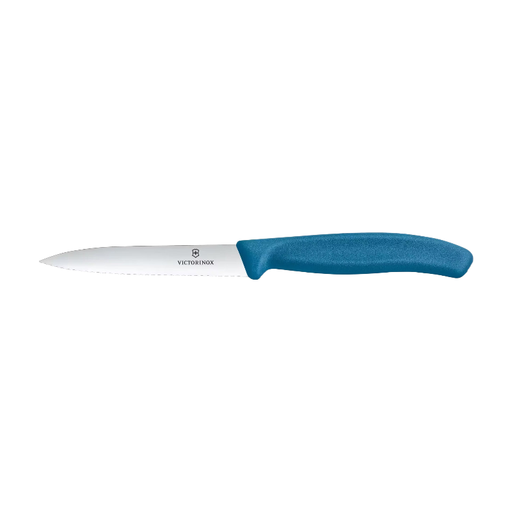
Why it's a match: For anyone who regularly cuts tomatoes, peppers, kiwis, or even bread. This knife is the specialist that shines where plain-edge knives reach their limits. An indispensable tool for the perfect tomato salad.
It solves the "one-blade-fits-all" trap by offering a specialised solution for a common challenge. The sharp serrated edge prevents the crushing of soft foods and ensures clean results.
Extremely lightweight, very sharp, and dishwasher-safe thanks to its plastic handle. A straightforward and highly effective specialist with Swiss quality.
We have compiled a complete, up-to-date list of products that fully meet these strict selection criteria and safety standards.
For tomatoes and other soft vegetables with a firm skin, a knife with a serrated edge is the ideal choice. The toothed blade penetrates the skin effortlessly without crushing the flesh. Models like the Victorinox Swiss Classic with a 10cm serrated blade are designed for this task.
Plain-edge knives can be sharpened with a honing steel (for daily maintenance of the edge) or a knife sharpener/whetstone (to restore the primary sharpness). Maintain an angle of about 15–20 degrees. Serrated knives require special, round sharpening rods and should be sharpened by a professional if necessary to avoid damaging the serrations.
Ceramic blades are extremely hard and stay sharp for a very long time. They are also non-reactive (won't alter taste) and rust-proof. Their disadvantage is their brittleness: they can easily break or chip if dropped or used to cut hard items (like bones or frozen foods). For purely cutting fruits and vegetables, they can be a good, albeit less robust, alternative.