
Lieferung heute & morgen

Qualitätsgarantie

Willkommens-Angebote freischalten: KOSTENLOSE Lieferung | Bis zu 80 % RABATT | Kostenlose 30-Tage-JoyPlus-Testphase
App herunterladen
A good vegetable knife is the workhorse of every kitchen. It peels, slices, and chops fruits and vegetables daily. However, it's precisely with this simple tool that significant quality differences exist, often only becoming apparent after a few weeks of use. Many buyers get frustrated with knives that quickly dull, rust, or feel uncomfortable in the hand. These disappointments are avoidable if you know the common pitfalls.
This guide will help you distinguish marketing hype from genuine quality features. We focus on the crucial criteria that define a durable and functional knife for cutting vegetables, while sidestepping two common problems:
To avoid a bad purchase, you should focus on three objective parameters instead of relying on grand advertising claims.
The heart of every knife is its blade. For vegetable knives, stainless steel has become the standard. It is low-maintenance, hygienic, and resistant to fruit acids. Pay attention to the specific type of steel if it's listed. Renowned manufacturers like Zwilling use special processes to further enhance quality. One example is the FRIODUR blade, which, according to the manufacturer, achieves exceptional hardness, edge retention, and corrosion resistance through ice-hardening. Such a feature is an indicator of greater longevity.
The choice of the right edge depends directly on your primary use case.
The handle determines how securely and comfortably the knife sits in your hand. An ergonomically shaped handle that conforms to the hand allows for fatigue-free work. Polypropylene (PP) has proven to be an effective material. It is lightweight, robust, dishwasher-safe, and provides a secure grip even when wet. A seamless transition between the blade and handle is also a plus for hygiene, as no food residue can get trapped.
Instead of making a one-size-fits-all recommendation, we have selected products for different user profiles that meet the criteria mentioned above.
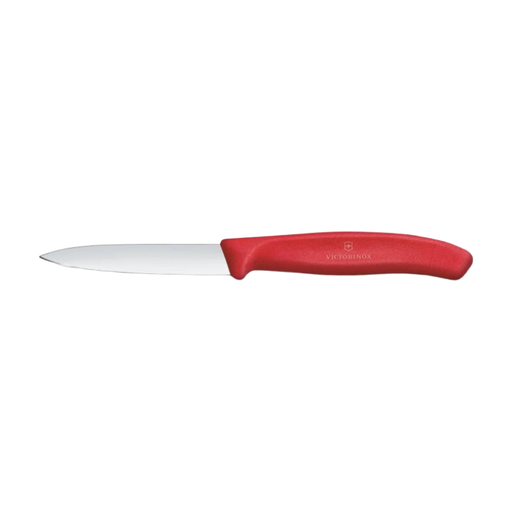
Why This Fits Their Persona: Ideal for daily use. This knife is a reliable, straightforward tool for all basic cutting and peeling tasks. It's lightweight, low-maintenance, and offers proven durability for home use.
It bypasses the "Deceptive Steel" trap by using high-quality, stainless steel from Victorinox, renowned for its edge retention. The ergonomic PP handle prevents the "Ergonomics Fallacy."
Excellent value for money. The 8cm plain edge blade is versatile. The knife is dishwasher-safe and Swiss-made.
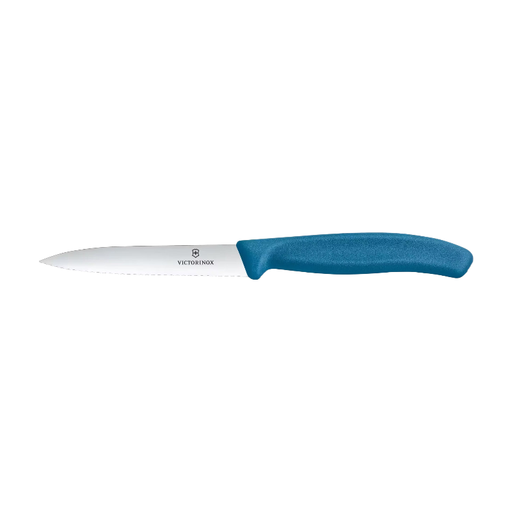
Why This Fits Their Persona: Anyone who frequently cuts tomatoes, citrus fruits, or even bread rolls will greatly benefit from a serrated edge. This knife is designed as a specialised tomato knife and handles this task cleanly and without pressure.
It solves the problem of using the wrong tool (a plain edge) for a specific job. The serrated edge prevents the crushing of soft foods and ensures clean results.
The serrated edge offers outstanding cutting performance on soft foods with firm skins. The 10cm blade is long enough for most tasks. Lightweight and dishwasher-safe.
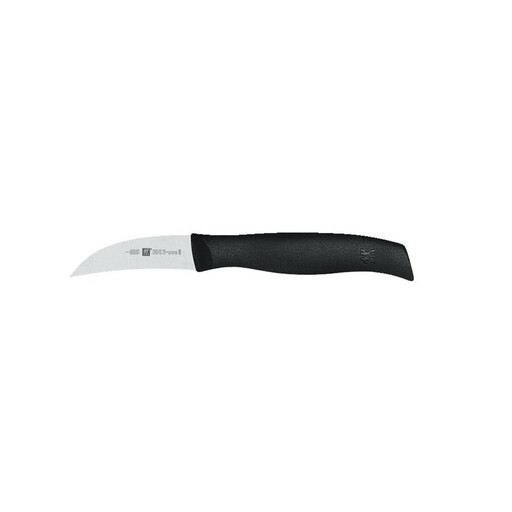
Why This Fits Their Persona: For users who value brand reputation, advanced materials, and maximum durability. This knife from Zwilling represents German engineering and is designed for precise, delicate work.
The ice-hardened FRIODUR blade made from special formula steel is a clear counterargument to "Deceptive Steel." It offers demonstrably higher edge retention and corrosion resistance than standard knives.
The short, sturdy 6cm blade offers maximum control for fine peeling and garnishing tasks. The material quality and craftsmanship justify the investment for quality-conscious users.
We have compiled a complete, up-to-date list of products that fully meet these strict selection criteria and German safety regulations.
The choice depends on what you're cutting. For most everyday tasks like chopping carrots, cucumbers, or onions, a plain edge is the right choice. It allows for precise, smooth cuts. A serrated edge is superior when you frequently cut foods with a firm skin and soft interior, like tomatoes, nectarines, or even baguettes. Many households therefore own both types.
Even though many modern vegetable knives with plastic handles are declared dishwasher-safe, the blade's lifespan is extended by gentler cleaning. Aggressive detergents and high temperatures in the dishwasher can dull the sharpness over time. The recommendation is: Clean the knife by hand with warm water and a little dish soap immediately after use, and dry it right away. Store it safely in a knife block, on a magnetic strip, or in a drawer with a blade guard.
The terms are often used interchangeably but can have subtle differences.