
Lieferung heute & morgen

Qualitätsgarantie

Willkommens-Angebote freischalten: KOSTENLOSE Lieferung | Bis zu 80 % RABATT | Kostenlose 30-Tage-JoyPlus-Testphase
App herunterladen
A vegetable knife is found in many British homes, but it’s often overlooked when choosing kitchen knives. Small blades may look similar, yet they can differ considerably in their edge, length, handle material and care requirements. If you choose based only on colour or brand name, you could easily end up with a knife that isn’t right for the jobs you have in mind.
A serrated vegetable knife often cuts tomatoes, soft fruit and bread rolls cleanly and with control, as the edge first grips the skin. For peeling, decorative cuts or dicing vegetables, however, a straight edge is often a better choice.
Serrated knives can’t be sharpened with every standard knife sharpener, either. If you’d like to sharpen your knife yourself over time, consider the extra care involved before you buy.
The label dishwasher-safe kitchen knife mainly describes how the knife can be cleaned; it doesn’t automatically guarantee long-lasting cutting performance. Heat, detergent and contact with other cutlery can put extra strain on the blade and handle. For many knives, hand-washing with mild washing-up liquid and drying straight away is the better option.
A 11 cm vegetable knife gives you more reach and can also be used for bread, cheese, cold cuts and larger fruit. For peeling potatoes, removing stalks or doing fine garnishing work, an 8 cm vegetable knife or a paring knife may be easier to control. It’s not just the length that matters, but how the blade shape and handle suit the jobs you plan to use it for.
A tomato knife with a serrated edge isn’t automatically a complete replacement for a paring knife. For precise tasks such as coring or making decorative cuts, check that the product description specifically mentions a suitable blade shape.
Compact knives generally have blades measuring between 6 and 11 cm. An 8 cm model is easy to handle and works well with small ingredients. A 10 to 11 cm blade gives you more cutting surface for fruit, snacks and bread.
Weight affects how a knife feels in use. A very light knife is quick to move, while a slightly heavier model can feel more stable when cutting firmer foods. Check the details for blade length, overall size and weight, rather than relying on the product name alone.
Stainless steel is widely used for small kitchen knives. Product descriptions may also mention hardened stainless steel, a special steel formula or an ice-hardened blade. These terms shouldn’t be taken as a blanket promise of a particular lifespan. Your choice of cutting board, cleaning routine and storage also make a difference.
Use a suitable cutting board and avoid glass, stone or metal surfaces. Small vegetable knives aren’t designed for cutting through bones or frozen food.
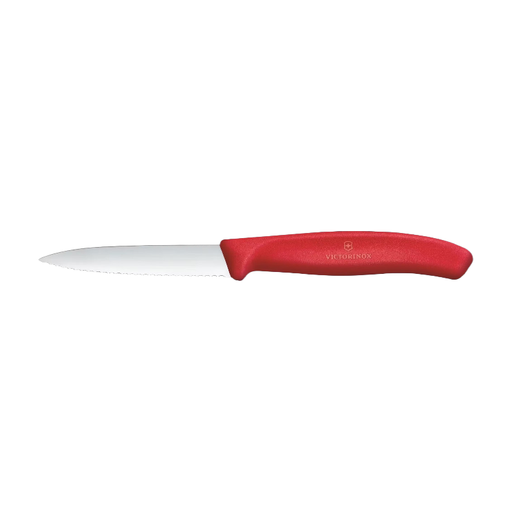
Why this product suits this profile: The 8 cm serrated blade and lightweight PP handle are designed for everyday tasks such as cutting tomatoes and soft fruit, and preparing garnishes.
The blade length and serrated edge are clearly specified, making it easier to judge what the knife is suited to. That’s better than choosing based only on a general label such as ‘multi-purpose knife’.
8 cm stainless steel blade, weighs 20 g and is listed as dishwasher-safe.
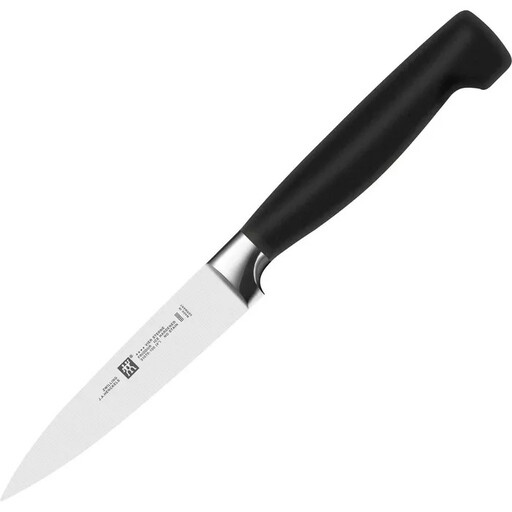
Why this product suits this profile: This model is designed for peeling, slicing and garnishing. According to the product description, it has a blade forged from a single piece and an ergonomic plastic handle.
The straight 10 cm blade is clearly distinct from the serrated edge of a tomato or snack knife. This makes it easier to choose the right knife for precise food preparation.
10 cm stainless steel blade, FRIODUR ice-hardening according to the manufacturer and dishwasher-safe.
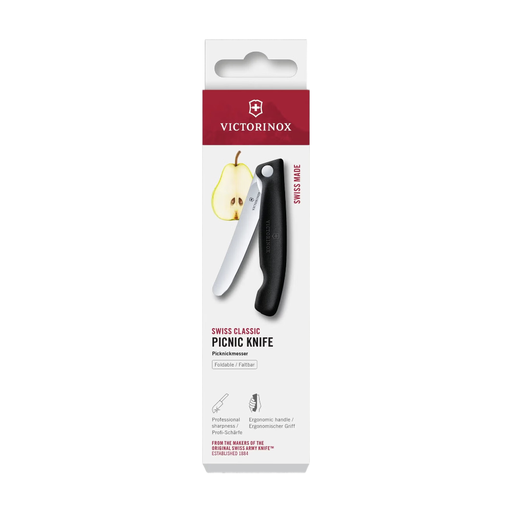
Why this product suits this profile: This folding knife is designed for picnics, walks and camping trips. It’s handy for cutting fruit, vegetables, cheese and snacks when you’re out and about.
The folding design means you don’t have to carry an exposed blade loose. Even so, check the applicable German regulations on knives before taking it with you.
Straight 11 cm stainless steel blade, folding design, weighs 42 g and is listed as dishwasher-safe.
A WMF snack knife with an 11 cm serrated blade may also suit households looking for a two-piece set for bread, cheese, cold cuts, fruit and tomatoes. To find the right option, compare the handle, blade type and care instructions with individual Victorinox or ZWILLING models.
We’ve put together a complete, regularly updated list of products that meet these strict selection criteria and fully comply with the safety regulations in force across the EU.
For peeling and small ingredients, a blade of 6 to 8 cm is easy to control. Blades of 10 to 11 cm are better suited to larger fruit, snacks, bread or cheese. The right length depends on your hand size, cutting technique and intended use.
A paring knife usually has a short, precise blade for peeling and trimming. A fruit knife is often designed for small fruit and use at the table. Vegetable knife is a broader term and can refer to knives with either straight or serrated blades. That’s why the product description matters more than the name alone.
There’s no reliable way to give a fixed lifespan. It depends on factors including your choice of cutting board, the type of food, how you clean the knife and how often you use it. Hard surfaces, bones, frozen food and using the wrong sharpening method can all blunt the edge more quickly.