
Lieferung heute & morgen

Qualitätsgarantie

Willkommens-Angebote freischalten: KOSTENLOSE Lieferung | Bis zu 80 % RABATT | Kostenlose 30-Tage-JoyPlus-Testphase
App herunterladen
A good vegetable knife is the workhorse of any kitchen. It peels, slices, and chops fruits and vegetables daily. However, the search for the right model can quickly become overwhelming. Many products promise more than they can deliver, leading to frustration instead of precise cuts. This guide will help you avoid common purchasing pitfalls and make an informed decision.
Before we dive into the important features, let's look at the three most common problems that arise when choosing a small kitchen knife:
To avoid these mistakes, you should check three crucial technical features before buying. These define the functionality, durability, and safety of your knife.
The heart of any knife is its blade. Standard stainless steel is the base, but high-quality knives from brands like WMF knives or Zwilling knives use special steel alloys optimized for superior edge retention and corrosion resistance. An important indicator of quality is the hardness rating, measured in HRC (Rockwell C).
The shape of the cutting edge determines which foods the knife is best suited for.
A secure and comfortable grip is essential for control and safety. The most common materials are:
Ensure the handle fits well in your hand and prevents your hand from slipping towards the blade.
Based on the criteria above, we have identified a few models that are particularly well-suited for different user profiles.
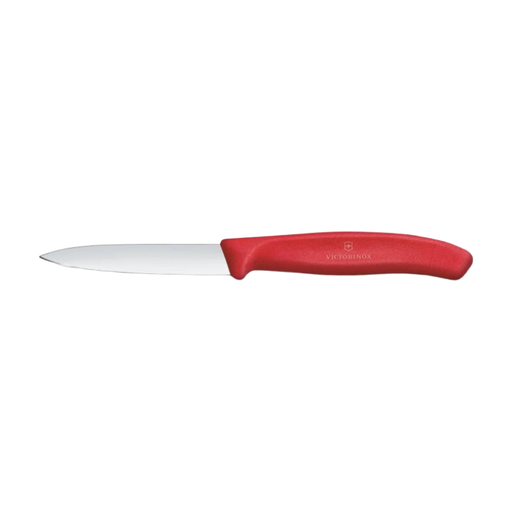
Why this model is a good fit: Ideal for anyone seeking a reliable, straightforward tool for daily kitchen tasks like peeling and slicing. It's lightweight, sharp, and easy to maintain.
The proven Swiss manufacturing quality of the stainless steel prevents the "stainless steel" trap. The lightweight yet ergonomic design ensures good balance and prevents fatigue.
Excellent value for money. The polypropylene handle is hygienic, and the knife is dishwasher-safe according to the manufacturer.
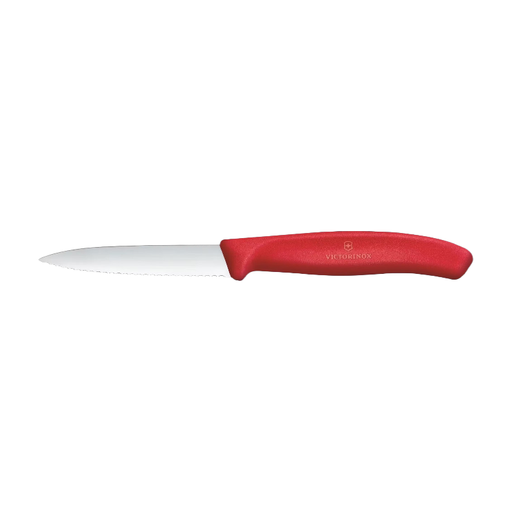
Why this model is a good fit: Perfect for anyone who frequently cuts tomatoes, kiwis, bell peppers, or other foods with a firm skin and soft interior. The serrated edge glides effortlessly through the skin.
This knife avoids the "unsuitable utility knife" trap by perfectly fulfilling a specialized function as a tomato knife, where a plain edge would reach its limits.
The serrated edge ensures clean cuts without crushing. The pointed tip is also suitable for fine decorative work or for coring.
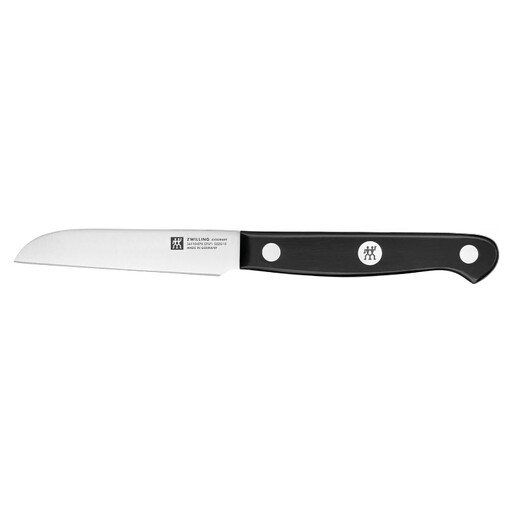
Why this model is a good fit: For cooks who value durability, excellent edge retention, and German engineering. A tool designed for a long service life.
The FRIODUR ice-hardened blade made from Zwilling's special formula steel, with a hardness of 55-58 HRC, is a clear statement against the "stainless steel" trap and guarantees high corrosion resistance and edge retention.
Made in Germany. According to the manufacturer, the V-Edge grind ensures long-lasting sharpness and precise cuts. The ergonomic handle is balanced for fatigue-free work.
We have compiled a complete, up-to-date list of products that fully meet these strict selection criteria and German safety regulations.
The frequency depends on usage and steel quality. With daily use, a high-quality knife should be professionally sharpened or honed with a suitable whetstone every few months. Regularly refreshing the edge with a honing steel can maintain sharpness in between.
There is no single "better" choice; it depends on the intended use. A plain edge is the all-rounder for firm vegetables and precise peeling and slicing tasks. A serrated edge is the specialist for soft foods with firm skins. A well-equipped kitchen benefits from having both types.
Many manufacturers, especially of knives with plastic handles like Victorinox, state that their products are dishwasher-safe. However, to preserve the blade's sharpness in the long term, hand washing is generally recommended. Aggressive detergents and the high temperatures in a dishwasher can attack the steel and handle material over time. A quick rinse and dry by hand is the gentlest method.