
Lieferung heute & morgen

Qualitätsgarantie

Willkommens-Angebote freischalten: KOSTENLOSE Lieferung | Bis zu 80 % RABATT | Kostenlose 30-Tage-JoyPlus-Testphase
App herunterladen
A sharp, easy-to-handle vegetable knife is the foundation for precise and fast work in the kitchen. Whether you're peeling apples, dicing onions, or garnishing dishes, this small kitchen knife is used daily. But the market is flooded with models whose quality promises often prove to be empty. Many buyers invest in knives that quickly become dull, feel uncomfortable in the hand, or are unsuitable for their intended purpose.
This guide shows you what really matters. We'll highlight the three most common pitfalls and explain the crucial technical features to help you make an informed decision that pays off in the long run.
Before diving into blade steels and handles, it's important to recognise the typical marketing traps that lead to a bad purchase.
To avoid these pitfalls, you should check three technical aspects before buying. These objective criteria separate durable tools from short-lived products.
The heart of any knife is its blade. Look for precise information about the material.
The shape of the blade determines its primary use.
The handle is the interface between you and the blade.
Based on the criteria above, we have identified a few models suitable for different user profiles and their needs.
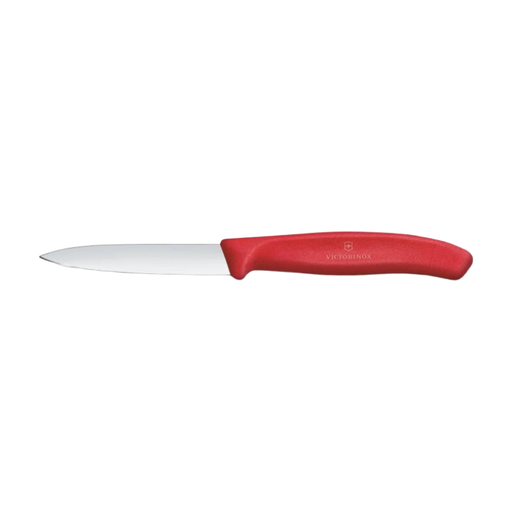
Why This Fits Their Persona: Ideal for anyone looking for a reliable and sharp knife for daily use without a large budget. A proven classic for basic peeling and cutting tasks.
It bypasses the "stainless steel myth" by using a proven, high-retention steel from a renowned Swiss manufacturer. The simple yet functional polypropylene handle is ergonomic and secure.
Excellent value for money; lightweight, very sharp, and dishwasher-safe for easy cleaning.
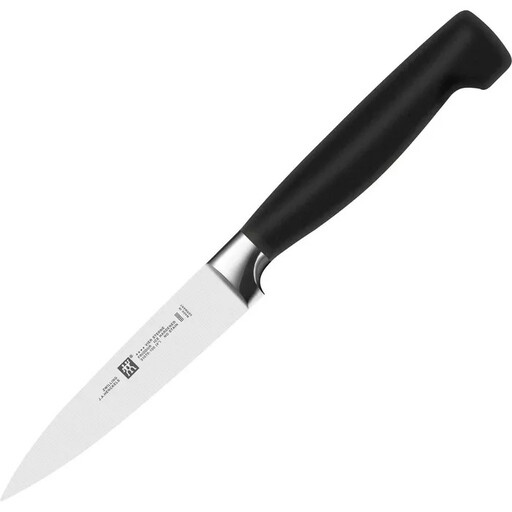
Why This Fits Their Persona: For ambitious cooks who value durability, balance, and superior edge retention. An investment that pays off in performance and comfort with frequent use.
This knife provides verifiable quality features: it is forged from a single piece using SIGMAFORGE technology, and the FRIODUR ice-hardened blade offers demonstrably high edge retention. The seamless transition to the handle avoids the ergonomics trap.
Forged from a single piece of steel for excellent balance and stability; long-lasting sharpness and corrosion resistance.
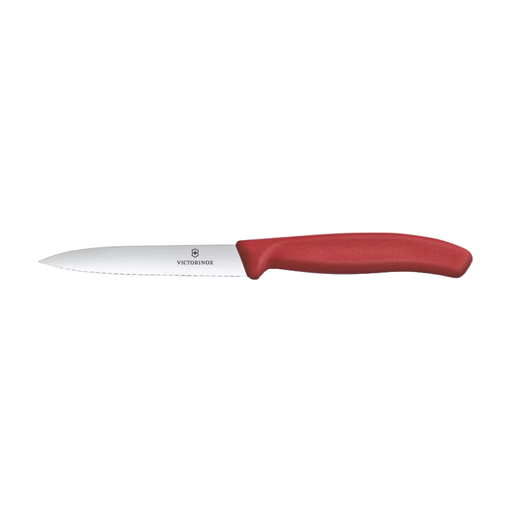
Why This Fits Their Persona: Perfect for users who frequently cut tomatoes, peppers, or other foods with tough skins and soft interiors. This specialised tool handles the task more cleanly and safely than any all-purpose knife.
This knife solves the "wrong blade trap" through specialisation. Instead of trying to do everything, it offers outstanding performance for a specific, common kitchen task.
The serrated edge effortlessly penetrates tough skins without crushing the flesh; very lightweight and easy to handle.
A good knife is more than just a blade. For precise decorative work or special peeling tasks, a variety of specialised tools are available. Explore our full range, selected based on objective quality criteria.
Many manufacturers, especially for knives with plastic handles like Victorinox or the Zwilling Twin Grip series, state that their products are dishwasher-safe. However, for maximum blade life, cleaning by hand is generally recommended. Harsh detergents and high temperatures in the dishwasher can dull the edge and damage the handle material over time.
Knives with a plain edge should be regularly honed with a honing steel to realign the edge and maintain sharpness. Once the knife has become dull, it can be resharpened with a suitable knife sharpener or a whetstone. Knives with a serrated edge require special, round sharpening rods for each individual serration and are best sharpened by a professional.
Although both terms are often used interchangeably for a small kitchen knife, there are subtle differences. A classic peeling knife often has a curved blade (a tourné knife or bird's beak), which is ideal for the shape of round fruits and vegetables. A paring knife (which includes the German 'Spickmesser') typically has a straight, pointed blade 8-10 cm long. It is used for larding meat (inserting bacon or garlic) as well as for general, precise cutting and garnishing tasks.