What should you look for when buying?
To freeze freshly made soup, your freezer compartment must be suitable for freezing fresh food. The Verbraucherzentrale recommends checking for a four-star rating on an existing freezer compartment. If you need extra capacity, the right type of appliance will depend on how much you cook, how easily you need to access it and how much space you have.
Existing four-star freezer compartment
A good fit if: there’s room for your planned batch as well as your other frozen supplies, and you can take out portions separately.
Consider: space may be limited for larger batches, so check that the compartment is suitable for freezing fresh food.
Freestanding upright freezer
A good fit if: you regularly take out labelled portions individually and want to store them neatly in separate compartments.
Consider: the appliance needs floor space and runs continuously. Compare the usable capacity, freezing capacity and kWh/year for the specific model.
Chest freezer
A good fit if: you need space for large batches and extra supplies, and have enough room for the appliance.
Consider: portions stored at the bottom are less easy to reach, so good organisation is essential. The Verbraucherzentrale generally describes chest freezers as more energy-efficient, but always compare the specific energy labels.
| Priority |
What to check when buying |
Especially important if |
| Finding individual portions |
Compartments and internal dimensions; make sure containers fit |
We eat at different times, so labelled portions need to be easy to reach. Around 33% of consumers therefore prioritise being able to take out individual portions easily. |
| Freezing a large batch |
Check available usable capacity and freezing capacity separately |
If we prepare lots of portions in one cooking session, the storage space and freezing performance need to suit the batch. Around 27% of consumers put this priority first. |
| Making the most of your space |
Measure the external dimensions, delivery route and clearance needed to open the appliance |
When space is limited, check whether there’s room for an extra appliance and enough clearance to open it. Around 20% of consumers prioritise making sure it fits the available space. |
| Weighing up energy consumption |
Compare kWh/year for appliances that are the right size |
If an extra appliance will run continuously, its size should suit the amount you actually store, and its stated energy consumption should be manageable. Around 20% of consumers focus primarily on running costs. |
Freezers at Joybuy
The appliances below include chest freezers and freestanding upright freezers with a stated four-star compartment. Compare them based on whether you need space for a large batch or easy access to individual portions stored separately.
 No image available
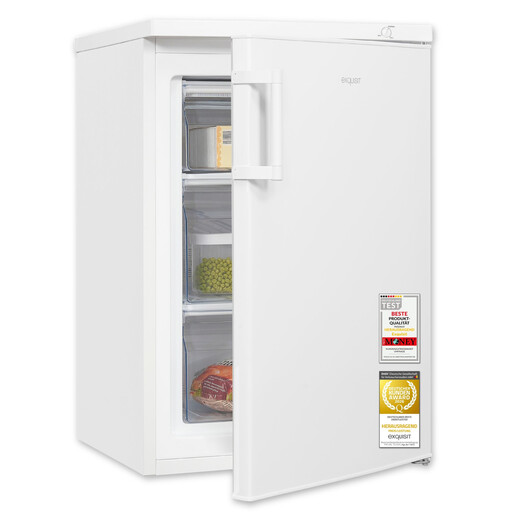
Exquisit 142-l chest freezer with four-star compartment
The stated four-star compartment is suitable for freezing freshly made, cooled soup.
142 l; electronic temperature control with LED display; manual defrosting specified.
View at Joybuy
 No image available
Exquisit GS581-H-010E, 85-l freezer
A freestanding freezer with separate drawers may suit you if you want to take portions out individually.
85 l; three drawers; manual temperature control; reversible door.
Manual defrosting specified.
View at Joybuy
 No image available
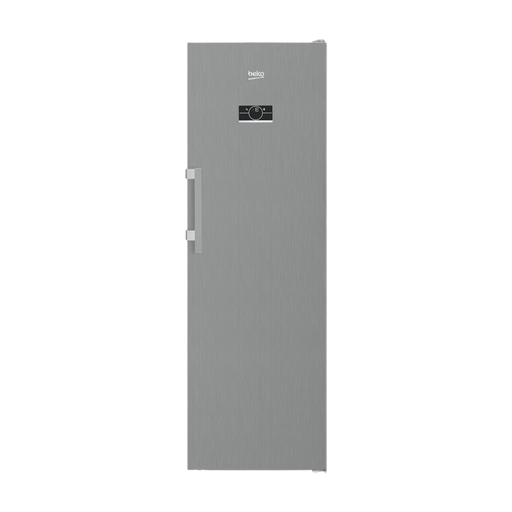
Beko B7RFNE315XP, 286-l No Frost freezer
A freestanding upright freezer may suit you if you need separate compartments for supplies and larger batches.
286 l; No Frost; Fast Freeze; energy class D.
For unheated rooms, the product description specifies an ambient temperature down to −15 °C.
View at Joybuy
 No image available
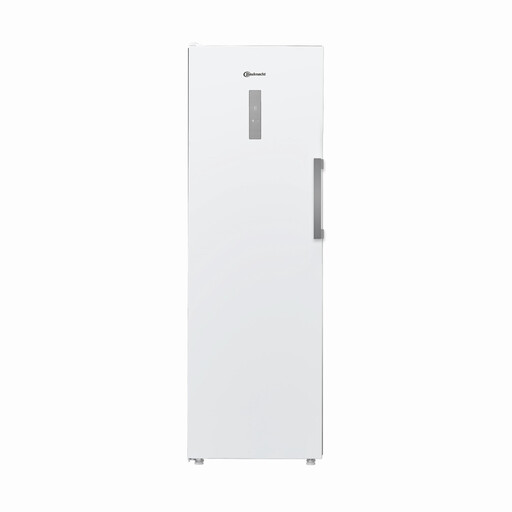
Bauknecht GKN NoFrost 18660DW, 286 l
The stated design, with drawers and shelves, offers separate areas for storing supplies.
286 l; 186,5 cm tall; NoFrost; Fast Freeze function; energy class D.
The product description states that it’s intended for indoor household use.
View at Joybuy
 No image available
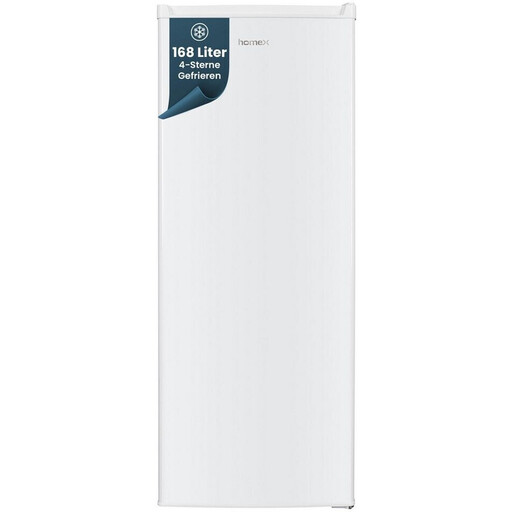
homeX FS1681E-W, 168-l freezer
Four drawers and a flap compartment provide separate storage areas for supplies and individual portions.
168 l; four-star rating; adjustable temperature control; reversible door.
View at Joybuy
Frequently asked questions
How should we prepare cooked vegetable soup for freezing?
Following the recommendation of the German Federal Institute for Risk Assessment, cool hot food quickly to below 7 °C; the freezer doesn’t replace this step. Use freezer-safe containers, label them with the contents, quantity and date, and, according to the Verbraucherzentrale, fill containers with liquid soup no more than three-quarters full.
What’s a sensible freezer temperature to aim for?
The Verbraucherzentrale recommends an optimum freezer temperature of −18 °C. Make sure the appliance reaches this temperature for the intended storage, and that the compartment is suitable for freezing fresh food.
Is NoFrost the same as needing to defrost less often?
No. Liebherr lists NoFrost for the FNd 5036 Plus freezer, while the manufacturer says SmartFrost on the CFd 2085 Plus chest freezer reduces frost build-up and means it needs defrosting less often. These details apply to these specific models.
Which energy label should you look for when buying in Germany?
Household refrigeration appliances are covered by EU energy labelling rules. The current label uses classes A to G and shows details including kWh/year, volume and noise levels; the previous plus classes are no longer a valid basis for comparison. The label doesn’t require you to buy a particular efficiency class.
What happens to your old freezer when you replace it?
According to the German Environment Agency, old electrical appliances must not be put in household rubbish. The agency says you can take them to a recycling centre free of charge. When you buy a corresponding large appliance, you can also return your old one free of charge, including when you buy online with delivery. Check separately whether additional services, such as removal or installation, are included.


