What to look for when choosing
First decide whether the stock needs to stay hot until the next portion is served, or whether you’ll chill and reheat it later. Then consider usable capacity, cooking method and cleaning.
For keeping food hot, the BfR recommends a temperature of at least 60 °C throughout. A keep-warm function or stated keep-warm duration doesn’t, by itself, prove that the specific stock will reach this temperature all the way through.
| What matters |
What to check before buying |
Who this matters most to |
| Keeping food hot safely |
Check the keep-warm mode and instructions. If keeping the stock hot, check its temperature in several places to make sure it’s at least 60 °C throughout. |
If I want to serve the stock a little at a time, its actual temperature is crucial. Around 33% of consumers would make keeping food hot safely their main concern. |
| Usable capacity |
Compare the portions you need with the stated usable capacity, not just the pot capacity. |
If I’m preparing several portions, I need enough usable capacity and space to chill any leftovers. Around 27% of consumers would prioritise batch size. |
| Cooking method |
Check for a pressure-cooking function and read the instructions. Allow for preheating and pressure release when planning your cooking time. |
If I start cooking late, I want to choose a suitable cooking method without overlooking the steps needed to handle the pressure lid. Around 20% of consumers would prioritise a short preparation time. |
| Serving and cleaning |
Check for a removable inner pot and read the cleaning instructions for the exact model. For pressure cookers, also check the seal and valves. |
If I regularly portion out stock, I want the pot and, where relevant, the lid components to be easy to handle and clean. Around 20% of consumers would prioritise ease of use and cleaning. |
Also check which parts of the specific appliance are intended to come into contact with food and what information the manufacturer provides about them. If there’s a longer gap before the next meal, it’s best to cool any portions you won’t need hygienically and keep them chilled.
Joybuy products for vegetable stock
This selection includes electric cooking appliances with stated functions for boiling, simmering, making soup or stock, and in some cases keeping food warm. Check the stated capacity, how to use the appliance and the guidance on food-contact parts for each model.
 No image available
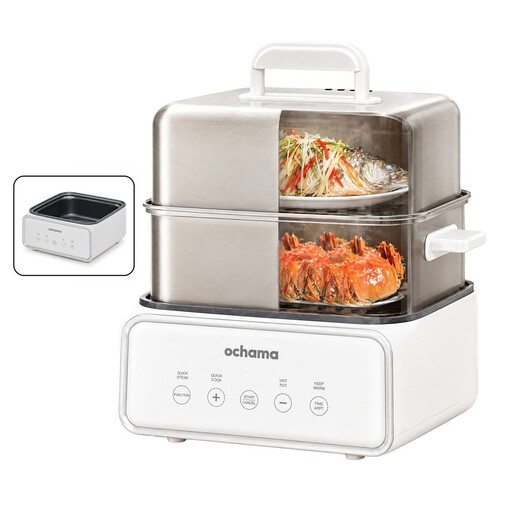
ochama 3-in-1 Steamer, 1500W, 12L steaming chamber
An option if you want to make stock or soup using boiling and simmering functions, and keep prepared portions warm for a short time.
Functions include boiling, simmering, soups and stews, as well as a timer delay and keep-warm function. The 12 l refers to the steaming chamber, not a stated usable stock capacity. The keep-warm function doesn’t confirm a temperature of at least 60 °C throughout. Hot steam and the inner pot can cause burns.
View at Joybuy
 No image available
Bear DDZ-J25G2 Slow Cooker and Soup Maker
This model could suit you if you want to make stock or soup and use different containers for separate portions.
The description lists a 2,5-l main pot and four additional pots, each with a capacity of 0,4 l. Slow cooker, steamer and soup maker are listed as functions. After cooking, wait a few minutes before opening it to avoid scalds from steam.
View at Joybuy
 No image available
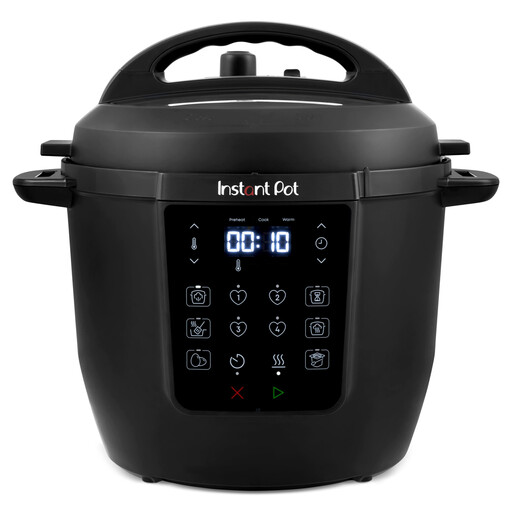
Instant Pot Classic EU Multi-Cooker, 5,7 l, Black, 112-2000-01-EU
An option if you want to make vegetable stock using a pressure-cooking function and keep prepared portions warm for a short time.
Functions include pressure cooking, slow cooking and keeping food warm. It has a stated capacity of 5,7 l, a stainless steel inner pot and an easy-release steam outlet. The stated capacity isn’t given as a usable stock capacity; check the actual temperature if you’re keeping the stock hot.
View at Joybuy
 No image available
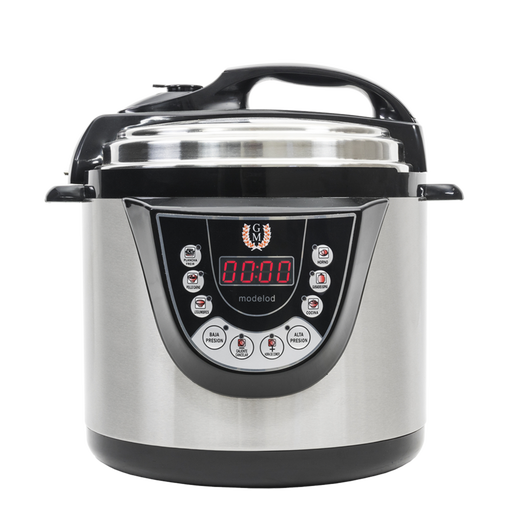
Cecotec Programmable Cooker Model D, 5 l usable capacity
This model could suit you if you want to make stock using pressure cooking and need a clearly stated usable capacity to plan your portions.
The description lists a usable capacity of 5 l with a pot capacity of 6 l, two pressure settings and a 24-hour timer. Plan using the 5 l usable capacity, not the larger pot capacity.
View at Joybuy
 No image available
Midea 9-in-1 Electric Pressure Cooker, 8 l, 1200 W
An option if you’re looking for a pressure-cooking function and a specifically named Soup/Broth programme for making vegetable stock.
Features include an 8-l pot, twelve cooking programmes, a 24-hour delayed start and automatic keep-warm. The pot capacity isn’t stated as usable stock capacity. Before opening, wait for the pressure to release and follow the instructions for releasing steam; the keep-warm function doesn’t replace checking the temperature.
View at Joybuy
Frequently asked questions
Can I simply leave vegetable stock on the keep-warm setting until the next mealtime?
Don’t rely on the name of the setting alone. The BfR recommends keeping cooked food at a temperature of at least 60 °C throughout until it’s eaten. So check the actual temperature of the stock. If there’s a longer gap, you can cool any portions you don’t need hygienically and keep them chilled.
How should I store stock that I won’t need until another day?
Transfer the stock into clean containers, cool it hygienically and make sure you have enough room in the fridge. The BfR notes that the risk of microbial contamination increases the longer food is stored when batch cooking.
What should I bear in mind before opening a pressure multi-cooker?
Follow the instructions for your specific appliance and only open it once the pressure has fully released. The instructions for an Instant Pot Duo multi-cooker explicitly warn against forcing the pressure cooker open; this guidance doesn’t replace the instructions for other models.
Should I consider spare parts before buying?
Check whether seals or inner pots are available for the exact model number and how much they cost. For example, Instant Pot Germany lists a two-pack of sealing rings for certain specified 5,7-l model numbers; this doesn’t mean they’re compatible with other appliances.
What requirements apply to parts that come into contact with food?
For food-contact materials placed on the EU market, Regulation (EC) No 1935/2004 includes requirements concerning the transfer of constituents under normal or foreseeable conditions of use. Check the information provided about the food-contact parts of the specific appliance; the general EU regulation alone doesn’t establish that an individual product complies.


