
Lieferung heute & morgen

Qualitätsgarantie

Willkommens-Angebote freischalten: KOSTENLOSE Lieferung | Bis zu 80 % RABATT | Kostenlose 30-Tage-JoyPlus-Testphase
App herunterladen
A vegetable chopper can prepare onions, herbs, vegetables, nuts or meat in next to no time. However, not every appliance is right for every household. Small containers are practical for individual portions, but can quickly become overfilled when preparing family-sized quantities. Electric models save manual effort, but require a power socket and more storage space. Manual versions work independently of the mains, but require repeated pulling or pressing movements.
The product name alone says little about how practical an appliance is in everyday use. For example, a device marketed as a multifunctional vegetable cutter may be better suited to slicing and cutting than to finely chopping ingredients. Before buying, you should therefore check the key technical specifications and consider how you will actually use the appliance.
The motor power of an electric vegetable chopper is often highlighted. However, a higher wattage does not automatically mean a more evenly chopped result. The blade design, number of blades, container size and pulse function are also important. A 300-watt appliance may be sufficient for soft vegetables, while harder ingredients such as nuts or meat require more motor power and a suitable blade arrangement.
The container size should match the amount you typically prepare. A vegetable cutter with a container of around 220 millilitres is more suitable for garlic, herbs or small quantities of onion. For several portions, 0.5 to 0.7 litres is more practical. Larger bowls from around 1.8 litres can be useful for family-sized quantities or preparing several different ingredients.
Important: Do not fill the container right up to the rim. Ingredients need room to move so that the blades can reach them. Overfilling can result in uneven pieces and, with electric appliances, put additional strain on the motor.
Sharp blades make food preparation easier, but increase the risk of injury during cleaning. Look for removable blades, a secure lid and non-slip surfaces. With electric appliances, the motor unit must not come into contact with water. Dishwasher suitability does not automatically apply to every component either; check the manufacturer’s instructions separately for the lid, container and blades.
A manual vegetable chopper with a pull mechanism works without a cable and can be used flexibly on the worktop. It is suitable for smaller quantities and for users who prefer a compact appliance. The fineness of the cut depends more heavily on the number and consistency of the pulling movements.
An electric food chopper or kitchen chopper operates at the press of a button or using a pulse function. This is convenient if you chop ingredients frequently. In addition to the power rating, check the recommended operating time. Some appliances are designed for short pulse operation only, after which the motor needs to cool down.
Stainless-steel blades are widely used in onion choppers, vegetable choppers and electric food choppers. Several blade levels can improve the distribution of ingredients inside the container. A glass container provides a clear view of the contents and, according to the relevant product specifications, absorbs fewer odours or stains than some plastic versions. Stainless-steel containers, on the other hand, are resistant to many demands of kitchen use and can be nested compactly when several bowls are included.
A multifunctional vegetable cutter may offer different attachments or cutting methods. A vegetable slicer works differently from a chopper: it produces slices or strips, while rotating blades break ingredients into pieces. If you regularly want to cut cucumbers, potatoes or carrots into even slices, look specifically for a slicer or mandoline attachment. For onions, herbs, sauces or puréed ingredients, a kitchen chopper with blades is more suitable.

Why this product suits the profile: This manual chopper is compact and does not require a power socket. With a capacity of 220 ml, it is suitable for small quantities of onion, vegetables, ginger, fruit, nuts or herbs.
The small capacity makes its usage limits clear. Preparing individual ingredients rather than family-sized portions helps you avoid unnecessary overfilling.
Manual operation without a cable; handy format for small food preparation tasks.
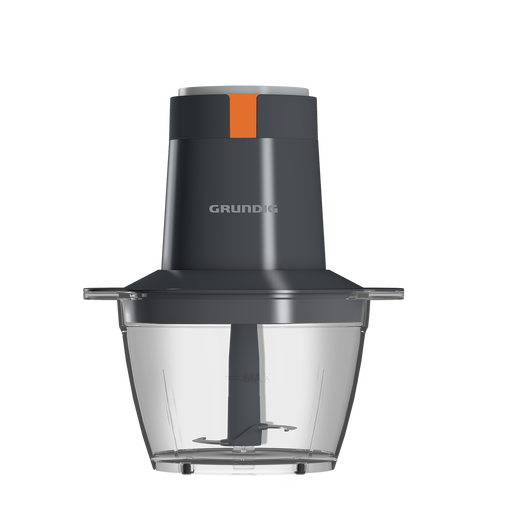
Why this product suits the profile: According to the product specifications, this model features 500 watts, two speed settings, a 0.5-litre glass container and two removable stainless-steel blades.
Two speed settings allow more controlled processing. The safety lock and non-slip base address common operating risks.
0.5-litre glass container; removable stainless-steel blades; one-handed operation and two speed settings.
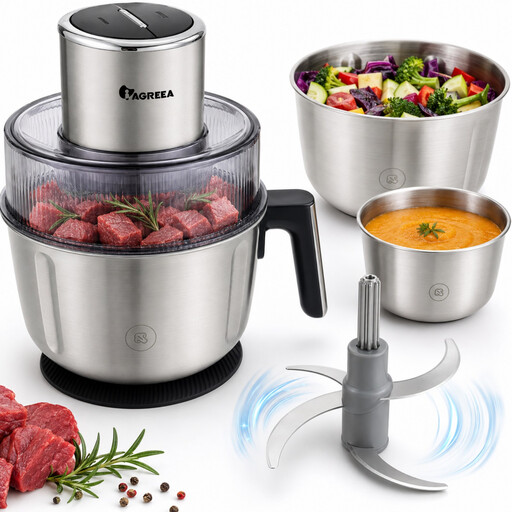
Why this product suits the profile: Three nestable stainless-steel bowls with capacities of 2.5, 2.2 and 1.8 litres cover different ingredient quantities and tasks, including vegetables, meat, purées and cooked ingredients.
The separate bowls help reduce the transfer of flavours. The specified pulse duration of up to 30 seconds per cycle makes the required break between uses clear.
350 watts, two speed settings, three stainless-steel bowls and triple-curved stainless-steel blades.
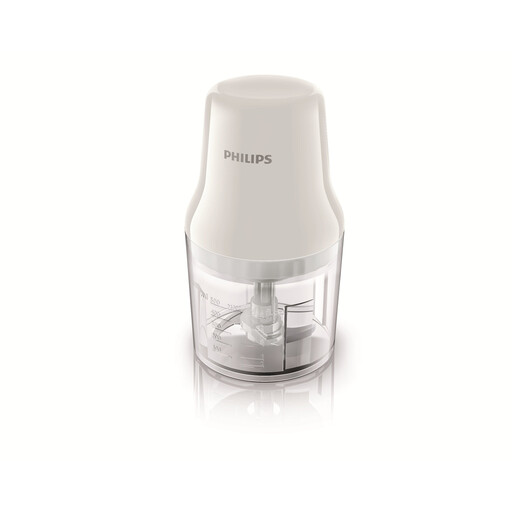
Why this product suits the profile: This electric chopper combines 450 watts with a 0.7-litre bowl and one-button operation for vegetables, herbs, nuts and other ingredients.
The transparent bowl makes it easier to monitor the chopping consistency. The recommended pulse operation helps prevent over-processing the ingredients.
450 watts, 0.7-litre capacity, stainless-steel blade and, according to the product specifications, dishwasher-safe removable parts.
We have put together a complete, regularly updated list of products that fully meet these strict selection criteria and the safety regulations applicable in the EU.
A few basic rules are important for reliable use:
The running costs of an electric vegetable chopper depend mainly on the motor power and the actual time it is used. With short pulse intervals, everyday electricity consumption is usually considerably lower than with longer periods of continuous operation. A manual onion chopper uses no electricity while in operation, but requires more physical effort.
For individual onions, a small manual onion chopper or an electric model with a capacity of around 0.5 to 0.7 litres is often sufficient. A pulse function is helpful because it gives you better control over the chopping consistency.
Its lifespan depends on the materials, workload, cleaning and correct use. Overfilling, very hard ingredients and running the appliance for longer than recommended by the manufacturer can place greater strain on the motor and blades. Regularly checking the cable, lid, lock and blades is part of using the appliance safely.
That depends on how you intend to use it. If you often prepare sliced, julienned or grated ingredients, an appliance with cutting and slicing attachments can be beneficial. For onions, herbs, meat or purée, a kitchen chopper with rotating stainless-steel blades is generally more suitable. The decisive factors are therefore the types of cuts you need, rather than simply the number of advertised functions.