
Lieferung heute & morgen

Qualitätsgarantie

Willkommens-Angebote freischalten: KOSTENLOSE Lieferung | Bis zu 80 % RABATT | Kostenlose 30-Tage-JoyPlus-Testphase
App herunterladen
Savory, spicy, and ready-to-eat snacks that offer a meat-like texture are enjoying a surge in popularity. In particular, Asian vegetarian snacks based on soy or wheat have established themselves as an exciting alternative. However, the expanding market makes the choice complicated. Not every product that promises an authentic experience actually delivers. As your Joybuy Product Recommendation Officer, I'll help you recognize the common pitfalls and make an informed choice.
Many buyers report similar issues that detract from the experience. By knowing what they are, you can specifically look for products that avoid these weaknesses.
The Texture Trap: Rubbery Instead of Fibrous The most frequent complaint is a disappointing texture. The packaging promises a chewy, fibrous consistency reminiscent of jerky or braised meats. In reality, the snack turns out to be soft, rubbery, or crumbly. This is often due to a low-quality protein base or an inadequate manufacturing process that fails to create the desired fibrous structure.
The Flavor Deception: Artificial and One-Dimensional Another problem is unbalanced seasoning. Instead of the promised complex flavors, such as the typical "mala" heat from Sichuan, the snack often tastes overly salty or of a single, dominant artificial flavor. Authentic spice blends are more complex and expensive to produce, which is why some products cut corners here.
To avoid the pitfalls mentioned above, you should check three essential product features before buying. These provide insight into the expected quality and taste experience.
The foundation of any vegetarian meat substitute snack is its protein source, which is primarily responsible for texture and nutritional value.
A look at the spice list reveals a lot about the product's authenticity. Look for specific, high-quality ingredients instead of generic terms like "flavorings."
Most vegetarian meat snacks are ready to eat and require no further preparation. This makes them an ideal vegetarian meat substitute snack for on the go. Look for individually wrapped portions if you value convenience and shelf life after the first opening. Some products, especially those made from pea protein granules, must first be soaked in water or broth before consumption and are more suitable for cooking.
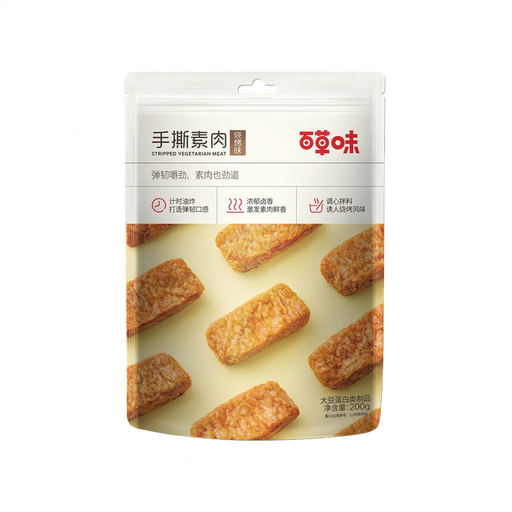
Why This Fits Their Persona: Ideal for anyone wanting to try plant-based meat alternatives without immediately diving into extreme spiciness. The familiar BBQ flavor offers an easy entry into the world of Asian snacks.
The texture specifically mimics the fibers of "pulled meat," thus avoiding a rubbery consistency. The seasoning is balanced and not artificially dominant.
Chewy, fibrous texture; familiar, smoky BBQ flavor; good protein content (15g per 100g).
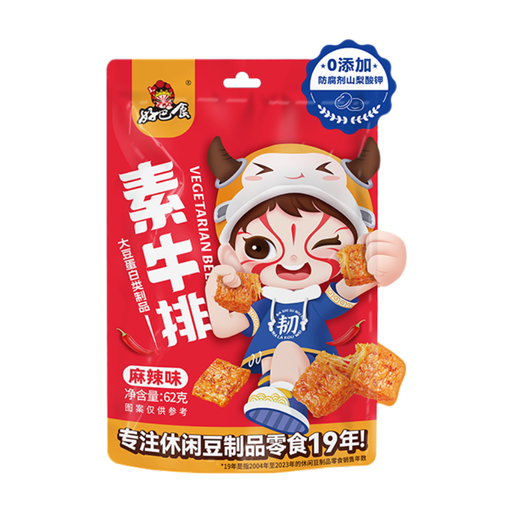
Why This Fits Their Persona: Perfect for connoisseurs of Chinese cuisine seeking the characteristic "mala" (numbing and spicy) flavor of Sichuan peppercorns. A snack that makes no compromises on heat.
This product bypasses the one-note flavor trap by explicitly using Sichuan peppercorn (0.19%) and chili (1.5%), which ensures an authentic, multi-layered heat.
Authentic "mala" flavor; high protein content (20g per 100g); firm, satisfying texture.
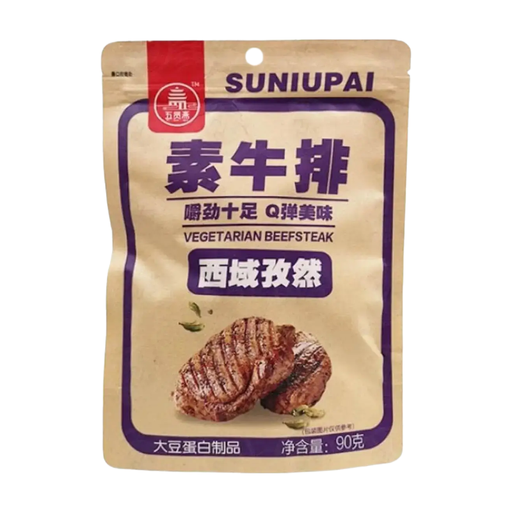
Why This Fits Their Persona: For athletes and anyone focused on high protein intake. This snack delivers a significant protein boost while being flavorful and interesting, without being overly spicy.
The product is based on textured soy protein and wheat gluten, ensuring a chewy, meat-like texture. The cumin seasoning is distinct but not artificial.
Very high protein content (28.3g per 100g); savory cumin flavor; chewy consistency.
We have compiled a complete, up-to-date list of products that fully meet these strict selection criteria and German regulations.
Most of these snacks are packaged in a protective atmosphere. After opening the package, they should be stored in the refrigerator and consumed quickly, as indicated on the packaging—usually within 24 to 48 hours. Products in single-serving portions offer the advantage of always having a fresh pack on hand.
Yes, many savory soy-based snacks are excellent sources of protein. A vegetarian meat substitute snack can contain between 15g and over 25g of protein per 100g, depending on the product. This makes them a useful addition to a vegetarian, vegan, or flexitarian diet. However, it's always worth checking the nutrition label, as salt and sugar content can also vary.
The vast majority of the products discussed here, especially those in the style of jerky or seasoned pieces, are ready to eat. They can be enjoyed directly from the package as a snack. A few products, often sold as granules or larger chunks, are intended for cooking and must be rehydrated before consumption. A note to this effect can always be found in the instructions on the packaging.