
Lieferung heute & morgen

Qualitätsgarantie

Willkommens-Angebote freischalten: KOSTENLOSE Lieferung | Bis zu 80 % RABATT | Kostenlose 30-Tage-JoyPlus-Testphase
App herunterladen
Vehicle toys for children range from simple toy cars to detailed construction vehicles, LEGO race cars and remote-controlled cars. Choosing one may seem straightforward, but certain details can make all the difference to whether a product is right for everyday use.
A toy may look suitable for younger children but contain small parts. Models with small building bricks, detachable accessories or detailed metal components are often intended for children aged 3 or 4 and over. LEGO Speed Champions, for example, is aimed mainly at children aged 9 and over. Always check the manufacturer’s information on the product page and packaging.
Lights, music, remote control and moving parts can be appealing, but not every child needs them. When choosing a remote-controlled car for children, parents should also consider how easy it is to operate, battery life, charging time and the surfaces it can be used on. For a toy crane lorry or construction vehicle, sturdy joints, rotating parts and easy-to-grip accessories are often more important than electronic effects.
A large, two-seater electric tipper needs considerably more room than a SIKU model or LEGO race car. Before buying, consider the assembled product’s dimensions, where the accessories will be stored and where the toy will be used. Compact toy cars for children or roll-up race tracks are often a better fit for smaller bedrooms.
Check the recommended age range and warning notices. Products with small parts must not be given to children under 3. Even if a product is approved for ages 3 or 4 and over, supervision may be advisable, particularly with complex construction sets, moving crane arms or remote-controlled vehicles.
LEGO sets such as the LEGO Speed Champions Porsche 911 GT3 RS and Ferrari 499P focus on the building experience and displaying the finished model. Each set contains several hundred bricks and, according to the product details, is intended for fans aged 9 and over.
Materials and construction are important for toys that will be played with regularly. ABS plastic is used in several construction vehicles. According to the product details, the chassis and body of the BRUDER Scania Super 560R Construction Lorry are made from ABS plastic. The model is built to a 1:16 scale and is intended for children aged 4 and over.
Smaller model vehicles often combine metal and plastic. The SIKU VW T5 Minibus Taxi, for example, has a metal body, plastic parts and rubber tyres. Models like these are ideal for role play, collecting and combining with other vehicles.
For battery-powered vehicles, check the following:
According to the product description, the two-seater electric tipper for children aged 3 to 8 has a 12-volt battery, a 2.4 GHz remote control, three speed settings and a stated maximum speed of 3 to 8 km/h. It should be used on suitable, level surfaces and under supervision.
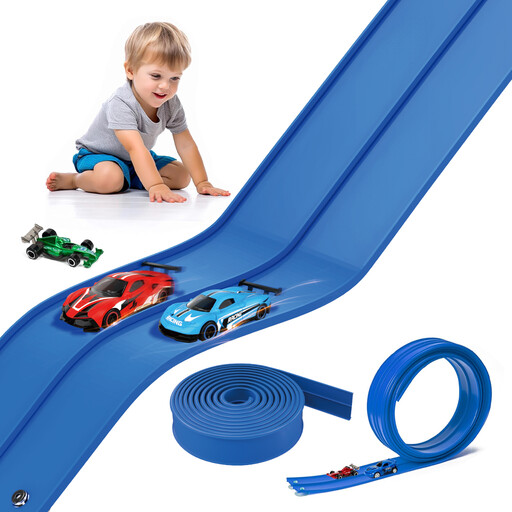
Why this product suits this profile: The flexible 4.5-metre double track offers several ways to play without needing batteries or a rechargeable battery, and can be rolled up for storage.
It does away with electronic features and lets you create a custom track using straight sections, bends and loops.
No power supply needed; suitable for ages 3 and over according to the product information. Small parts mean you should follow the warning notices.

Why this product suits this profile: This 1:16-scale model combines a working crane with accessories for loading and construction-site play. It is specified for children aged 4 and over.
The crane arm rotates through 360 degrees, extends telescopically and locks into position. Stabiliser legs help keep it steady when lifting loads during play.
ABS plastic, two pallets, a grab bucket and pallet fork; can be used indoors or outdoors without batteries.
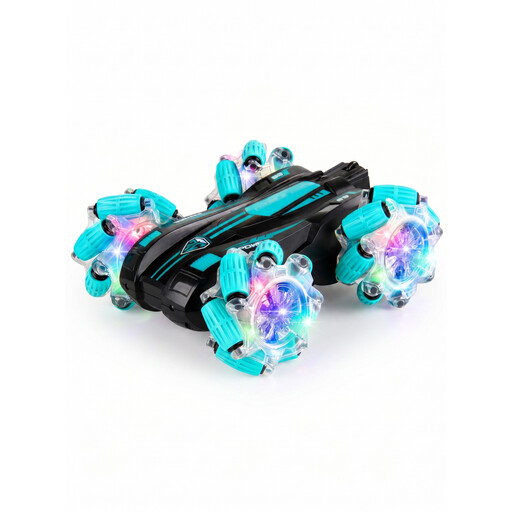
Why this product suits this profile: This vehicle is designed for children looking for a remote-controlled car that can perform stunts and sideways drifts, and handle a range of surfaces.
It can drive on either side, so play is less likely to be interrupted if it flips over. Before buying, check the battery, remote control and suitable play surfaces.
4WD drive, Mecanum wheels, 360-degree rotation and LED lighting, according to the product description.
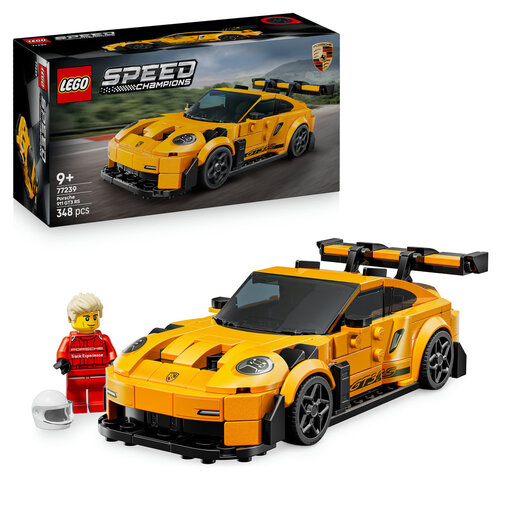
Why this product suits this profile: This set combines model building, race car play and display appeal. It is intended for fans aged 9 and over according to the product information, and includes a driver minifigure.
The age recommendation and the 348 building bricks make the assembly involved clear, rather than giving the impression that this is a ready-made vehicle.
Detailed model features, printed instructions and optional digital support through the LEGO Builder app.
We’ve put together a complete, regularly updated list of products that meet these strict selection criteria and the applicable EU safety regulations.
Look for products clearly approved for ages 3 and over, with easy-to-grip parts and straightforward features. Small bricks, detachable accessories and detailed collector’s models should only be used in line with the manufacturer’s recommendations. A simple toy car, toy fire engine or flexible race track can suit this age group, provided you follow the warning notices.
Lifespan depends on the materials, construction, how the toy is used and how it is stored. ABS plastic and metal components can stand up to regular play, provided joints aren’t put under too much strain and vehicles are stored somewhere dry. With remote-controlled models, the battery, charger and remote control are also potential wear-and-tear items and may need replacing. Check moving parts regularly for cracks, loose connections or sharp edges.
With a battery-powered RC car, there may be costs beyond the purchase price for charging or replacement batteries. An electric vehicle for children also needs charging time and a suitable place to park it. Toys that don’t need power, such as a toy crane lorry, toy race car or push-along monster truck, have no running energy costs. The key factors are how often it will be used, the type of battery and whether suitable replacement parts are available.