
Lieferung heute & morgen

Qualitätsgarantie

Willkommens-Angebote freischalten: KOSTENLOSE Lieferung | Bis zu 80 % RABATT | Kostenlose 30-Tage-JoyPlus-Testphase
App herunterladen
Vehicle toys for children range from simple toy cars to detailed models with lights, sound and moving parts. For parents, grandparents and relatives, the choice isn't always straightforward. A striking design doesn't tell you much about whether the vehicle suits the child's age, motor skills and intended use.
Three typical buying mistakes often lead to the wrong purchases:
The age recommendation on the packaging is a key safety and usage guide. For products marked 36 months and over, manufacturers often highlight the risk of choking on small parts. This applies, for example, to figures, accessories, detachable tools or small vehicles inside a transporter.
For children's vehicles for ages 3 and up, you should check:
For children aged 1 and over, larger, easy-to-grip vehicles with few detachable parts are more suitable. The VTech Tut Tut Baby Flitzer is recommended from age 1 according to the product details and features buttons, lights, melodies and a movable ladder. With electronic toys, the battery compartment should be checked regularly.
Many toy cars and toy lorries are made from plastic, metal alloys or a combination of both. ABS plastic is often used for larger, robust vehicle models. With metal model cars, on the other hand, appearance is usually the priority.
Look out for:
The CE marking does not replace an individual inspection of the toy. Before the first play session, check for loose parts, packaging remnants and any damage.
A vehicle with lights and sound usually needs batteries. So check whether batteries are included and what type is required. With the Bruder 02679 MB Sprinter with Work Platform, batteries are included according to the product description. The Bruder 02680 Fire Engine, however, requires three LR44 button cell batteries, which according to the product data supplied are not included.
The scale affects compatibility:
A Playmobil construction site vehicle generally works best with Playmobil figures and accessories. BRUDER vehicles, on the other hand, are designed for the bworld product range and compatible scales. So before buying, you should check whether any existing figures or vehicles actually fit.
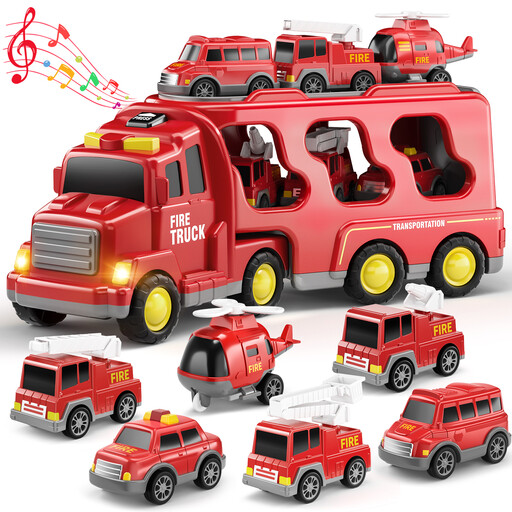
Why this product fits the profile: The 7-in-1 set combines a transport lorry with several small rescue and construction vehicles. This creates a versatile play set without needing to buy each vehicle individually.
The five smaller vehicles can be stored in the transporter and rolled out via the tailgate. The functions are therefore not just decorative but are integrated into the play.
Includes several vehicle types according to the product details, friction drive, plus light and music functions on the large vehicle.

Why this product fits the profile: The 1:16 scale model offers a large vehicle with a work platform, traffic cones and a light and sound module for detailed construction site and role-play scenarios.
The movable work platform and the horizontally guided basket offer real mechanics rather than just light or sound effects. The model is recommended from age 4 according to the product details.
Large 1:16 format, movable work platform and batteries included according to the product description.
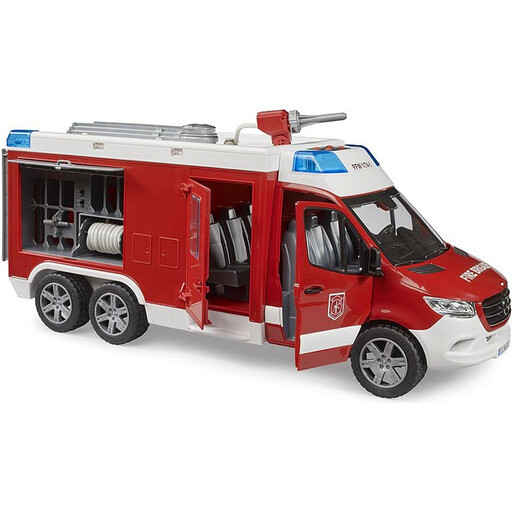
Why this product fits the profile: This fire engine toy is designed for repeated role play and combines vehicle details with a water pump, water cannon, ladder and an additional hose.
The main play elements are mechanically usable. At the same time, any water residue should be removed after play and the button cell batteries kept out of reach of small children.
1:16 scale, light and sound module and functional water tank according to the product details; recommended from age 4.
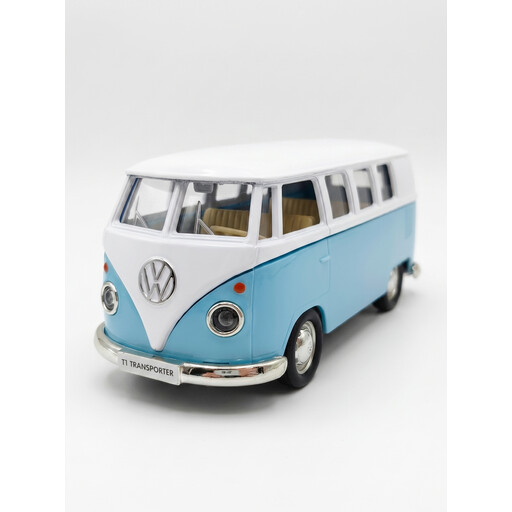
Why this product fits the profile: According to the product description, this model car is aimed at teenagers and adults aged 14 and over. It is suitable for a display cabinet, a diorama or as a gift for vehicle enthusiasts.
The age rating prevents a delicate diecast model from being mistaken for a toddler toy. Doors and pull-back action are present, but the collector appeal remains relevant.
Metal body according to the product details, opening doors and pull-back action; recommended from age 14.
We've put together a complete, regularly updated list of products that fully meet these strict selection criteria and the safety regulations in force in the EU.
The lifespan of vehicle toys depends not only on the material. Moving parts should be checked regularly for cracks, loose axles and stiff joints. Electronic vehicles should not be put in water. With fire engine models that use water, the tank should be emptied after play.
For storage, we recommend:
For children aged 1 and over, larger, easy-to-grip vehicles with few loose parts are a good idea. Interactive models like the VTech Tut Tut Baby Flitzer can combine lights, sounds and simple buttons. Adults should check the specific age recommendation, the condition of the battery compartment and the warning notices before buying.
The ongoing costs mainly come from batteries. Models with frequently used light and sound functions need regular replacement batteries. Vehicles without electronics, such as many model cars, bus toys or manually operated construction vehicles for children, don't incur any battery costs during play.
Toy vehicles are usually designed for active role play, pushing and moving functions. Model cars in 1:36 or 1:64 scale can also be played with, but depending on the product they are also aimed at older children, teenagers or adult collectors. The scale, age recommendation and material give a better guide here than the name alone.