
Lieferung heute & morgen

Qualitätsgarantie

Willkommens-Angebote freischalten: KOSTENLOSE Lieferung | Bis zu 80 % RABATT | Kostenlose 30-Tage-JoyPlus-Testphase
App herunterladen
A velvet bar stool set of 2 can visually elevate a kitchen counter, island, or bar area while providing functional seating. However, the selection is vast, and not every model that looks appealing at first glance proves practical in daily use. Many buyers only realise after a few months that the stool is wobbly, the upholstery is wearing out, or the seating is uncomfortable.
This guide will show you what to look for to avoid a poor purchase. We focus on the three most common weaknesses in bar stools and explain which objective criteria are crucial for a durable and comfortable choice.
While searching for the right stools, many encounter tempting offers. But often, an attractive appearance conceals quality defects that severely limit user comfort.
To avoid these pitfalls, you should base your selection on three central parameters. These objective features are the primary determinants of the longevity, safety, and comfort of your new bar stools.
Stability is the most important safety feature. Look for a base with a diameter of at least 40 cm. A wider base ensures better weight distribution and prevents tipping, even if the bar stool is a swivel model and you move around on it. The frame should be made of robust metal. An additional rubber ring on the underside of the base not only protects the floor from scratches but also increases slip resistance.
Another easily verifiable quality mark is the maximum weight capacity. Models rated for a weight of 120 kg or more generally feature a more solid overall construction.
The right seat height is crucial for comfort. A height-adjustable counter stool is the most flexible solution, as it can be adapted to different counter heights. As a rule of thumb, the seat should be about 25–30 cm lower than the top edge of the counter.
Check the adjustment range of the gas lift to ensure it suits your counter. A 360° swivel seat offers additional flexibility and facilitates communication without having to move the stool.
High-quality velvet upholstery is not only soft but also durable and breathable. Look for a dense weave that makes the fabric more resistant to wear. Underneath, there should be padding made of high-density foam. This material retains its shape and prevents the seat from sagging after a short time. Colours like grey bar stools or black bar stools are timeless and integrate well into modern counter chair concepts, while a velvet breakfast stool in a bold colour can create a deliberate accent.
Based on the criteria mentioned, we have identified several models suitable for different user profiles.
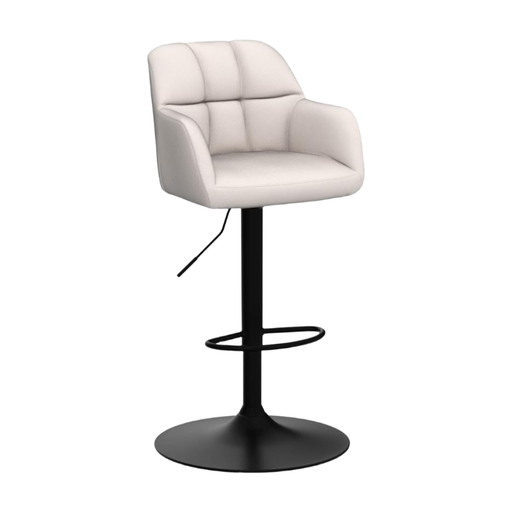
Why This Fits Their Persona: Ideal for those who want to sit comfortably at the counter for extended periods. The combination of a backrest, armrests, and soft velvet upholstery creates an inviting atmosphere at a kitchen island or home bar.
The ergonomic shape with armrests and a quilted backrest prevents uncomfortable posture. The sturdy metal frame, with a weight capacity of 120 kg per stool, addresses the stability issue.
High seating comfort thanks to armrests and shape-retaining foam. A wide height adjustment range of 65–87 cm, suitable for various counters.

Why This Fits Their Persona: Perfect for modern kitchens with clean lines. The sleek design and grey bar stool colour blend seamlessly into a minimalist setting without sacrificing functionality.
With a maximum weight capacity of 150 kg and a rustproof metal frame, this model is designed for durability and stability. The non-slip rubber ring on the base prevents wobbling.
Very high weight capacity (150 kg) and a wide height adjustment range (61.5–82.5 cm). The woven detail on the backrest adds a subtle accent.
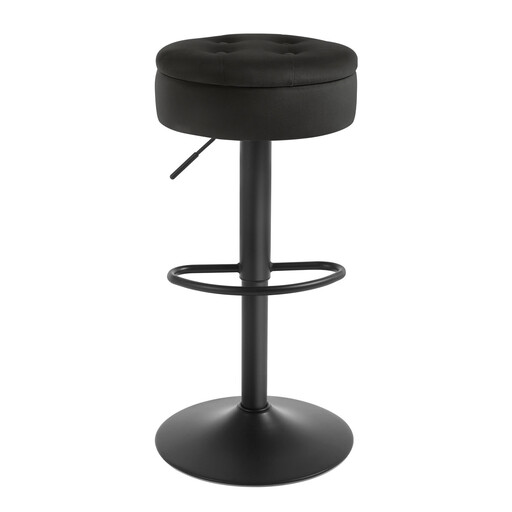
Why This Fits Their Persona: For those who appreciate functionality and want to make the most of their space. The hidden storage under the seat is ideal for keeping small items like placemats or charging cables handy and out of sight.
Despite its clever extra feature, this model makes no compromises on stability. A weight capacity of 150 kg and the solid metal base ensure a secure footing.
Unique feature: integrated storage under the seat. The high weight capacity of 150 kg provides additional security.
We've compiled a complete, up-to-date list of products that fully meet these strict selection criteria and safety requirements.
The ideal seat height depends on the height of your counter. Measure from the floor to the top surface of your countertop. The stool's seat should be about 25 to 30 cm below that to ensure a comfortable sitting position with enough legroom. For a typical 90 cm high kitchen counter, a stool with an adjustable seat height in the 60–65 cm range is a good choice. A height-adjustable counter stool offers the greatest flexibility here.
For regular maintenance, it's sufficient to vacuum the upholstery with an upholstery nozzle to remove dust and crumbs. For light soiling or stains, act quickly: first, blot the liquid with a clean, dry cloth. Then, you can gently treat the area with a slightly damp cloth and possibly a mild soap solution. Always test cleaning agents on an inconspicuous area first. Avoid harsh rubbing and aggressive chemicals.
The decision depends on the intended duration of use. Stools without a backrest often create a more open feel and can be pushed completely under the counter to save space. They are well-suited for short periods of sitting, like for a quick coffee. However, if you plan to sit at the counter regularly and for longer periods—for example, for meals, work, or conversations—a kitchen stool with a backrest offers significantly more comfort and supports a healthier posture.