
Lieferung heute & morgen

Qualitätsgarantie

Willkommens-Angebote freischalten: KOSTENLOSE Lieferung | Bis zu 80 % RABATT | Kostenlose 30-Tage-JoyPlus-Testphase
App herunterladen
A velvet bar stool can instantly elevate a kitchen or dining area. It combines comfort with an elegant aesthetic, creating an inviting atmosphere. However, the vast selection of models also has its pitfalls. Many buyers only realise after a few weeks that their new stool wobbles, the upholstery wears out quickly, or the seat height simply doesn't match their kitchen counter. Before you make a decision, you should know the three most common mistakes that lead to disappointment and unnecessary expense.
To avoid these pitfalls, it's wise to focus on a few crucial technical parameters. These features determine the longevity, safety, and everyday practical value of your new seating.
The base of any good bar stool is its frame. A bar stool made of black metal is not just a stylistic choice that complements an industrial look, but often an indicator of robustness. Pay attention to the following points:
The flexibility of a bar stool is not a luxury but a necessity for most households. A height-adjustable bar stool can be perfectly adapted to different counter heights and body sizes.
The velvet cover is the stool's showpiece. Modern velvet fabrics, usually made from synthetic fibres like polyester, are more durable and easier to care for than their cotton counterparts.
Instead of making a one-size-fits-all recommendation, we have identified models that meet specific requirements and adhere to the quality criteria mentioned above.
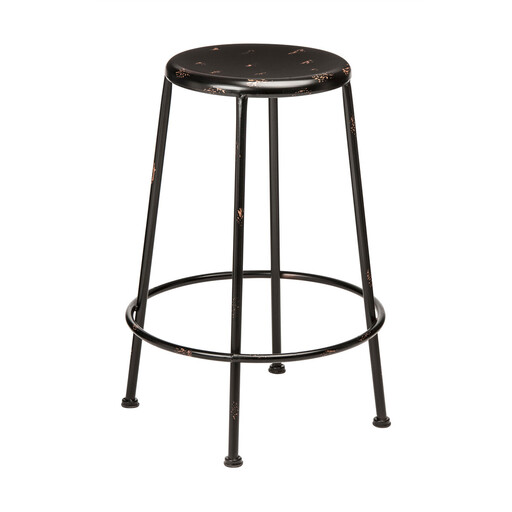
Why it's a great fit: Ideal for fans of the industrial style who prefer clean lines and robust materials. This stool forgoes velvet, focusing instead on a durable metal construction that makes a strong statement in modern lofts or minimalist kitchens.
The 100% iron construction directly addresses the stability trap. The four-legged frame with an integrated footrest ensures a solid, wobble-free stance.
Arrives fully assembled and is ready to use right out of the box. The robust construction is designed for longevity.

Why it's a great fit: This **set of 2 bar stools** is the ideal solution for families or couples seeking flexible seating for the kitchen counter. The combination of height adjustment, swivel function, and a backrest offers comfort for different people and situations.
Bypasses the ergonomics deficit with its stepless height adjustment (61.5–82.5 cm) and ergonomic backrest. The anti-slip rubber ring under the base enhances stability.
Maximum flexibility thanks to the combination of height adjustment and 360° swivel function. According to the manufacturer Woltu, it has a weight capacity of up to 150 kg.
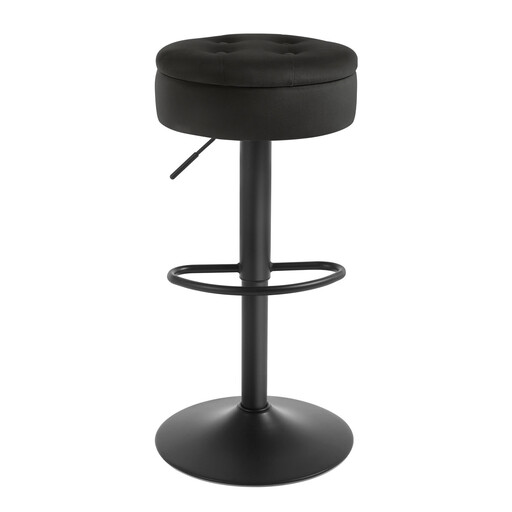
Why it's a great fit: For anyone who wants to cleverly combine design and functionality. This stool not only offers a stylish velvet look and full flexibility but also a hidden storage compartment under the seat—perfect for small kitchens or for keeping things tidy.
The breathable velvet fabric and high-density foam padding counteract the upholstery illusion. The robust metal base, with a load capacity of 150 kg (according to the manufacturer), provides the necessary stability.
Its unique feature is the integrated storage space under the seat, which combines aesthetics with practical utility.
We've compiled a complete, up-to-date list of products that fully meet these strict selection criteria and UK safety regulations.
The ideal seat height depends on the height of your counter. For a standard kitchen counter of about 90 cm, a seat height of approximately 60-65 cm is recommended. This ensures sufficient legroom and a comfortable posture. For higher bar counters (approx. 105-110 cm), the seat height should be around 75-80 cm. A height-adjustable bar stool offers the greatest flexibility here and is therefore often the most practical choice.
Modern velvet covers, often made from polyester, are more resilient than their reputation suggests. Light spills or liquids can often be blotted with a damp cloth before they soak into the fabric. For general maintenance, simply vacuuming the cover regularly with an upholstery attachment is sufficient to remove dust and crumbs. For more stubborn stains, the manufacturer's specific cleaning instructions should be followed.
The terms are often used interchangeably, but traditionally the main difference is height. Counter stools are designed for the height of kitchen counters (approx. 90 cm) and have a seat height of about 60-65 cm. True bar stools are designed for taller bar tables (approx. 105-110 cm) and have a seat height of about 75-80 cm. As many modern models are height-adjustable, this distinction is becoming increasingly blurred.