
Lieferung heute & morgen

Qualitätsgarantie

Willkommens-Angebote freischalten: KOSTENLOSE Lieferung | Bis zu 80 % RABATT | Kostenlose 30-Tage-JoyPlus-Testphase
App herunterladen
Transporting a cat or small dog, whether to the vet or on a trip, presents a challenge for many owners. The animal's well-being and safety are paramount. A modern ventilated cat backpack promises a comfortable solution, but the market is flooded with products making misleading marketing claims. Before you make a decision, it's crucial to understand the most common pitfalls that can lead to stress for your pet and frustration for you.
Many products promise comfort and safety but, upon closer inspection, reveal critical design flaws. These often result in the backpack becoming unusable after a short time or exposing the pet to unnecessary stress.
To avoid these problems, you should base your purchasing decision on objective technical parameters. Look for the following three features to find a functional and safe carrier backpack for your cat or small dog.
Sufficient air circulation is the most important criterion. A distinction is made here between two systems:
The backpack's structure must provide a secure space for the animal and must not collapse under load.
A large window allows the pet to observe its surroundings. While this can be enriching for curious animals, it can be a source of overstimulation and stress for anxious ones.
Based on the criteria mentioned, we have identified models that are suitable for specific user profiles.
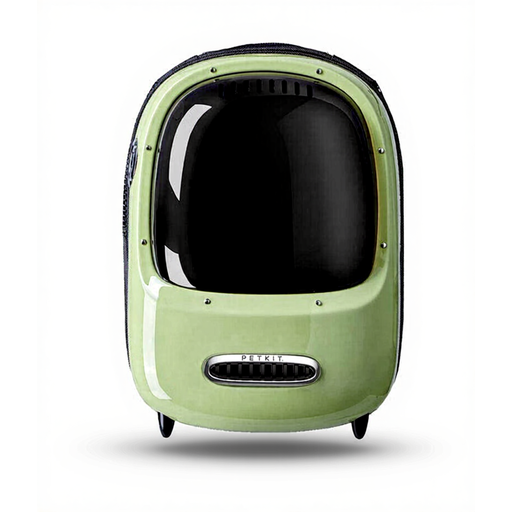
Why It's a Match: Ideal for owners in urban areas who value technical features and design. Perfect for vet visits or outings where constant climate control and safety are top priorities. The integrated light system enhances visibility and the sense of security at dusk.
It replaces the "breathable" myth with an active, controllable ventilation system. The sturdy hard-shell construction prevents collapse, and the tinted window reduces stress from overstimulation.
Integrated fresh air system with a fan (external power source required). Built-in lighting system for safety in the dark. Ergonomic carrying system with a breathable back panel.
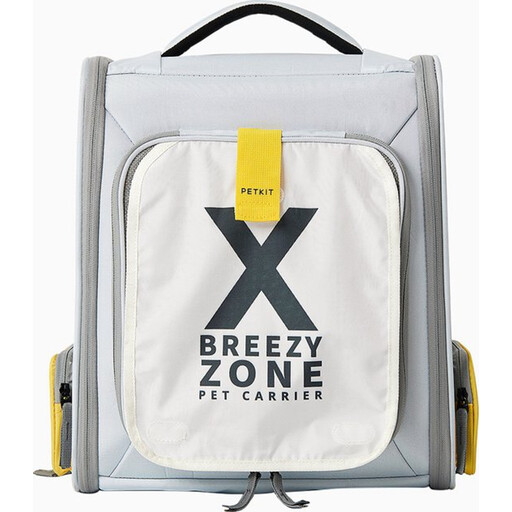
Why It's a Match: Designed for owners who travel long distances with their pet (up to 6 kg) or need a temporary, larger resting place at their destination. The expansion feature creates a comfortable zone that goes beyond mere transport.
Solves the problem of confinement during longer stays with an expandable tent area. The blackout curtain offers an effective solution against sensory overload, a common issue with backpacks featuring large, clear windows.
Innovative 2-in-1 design: backpack and expandable tent. Blackout curtain for stress reduction. Highly breathable mesh fabric for good passive ventilation. Lightweight and foldable for easy storage.
We have compiled a complete, up-to-date list of products that fully meet these strict selection criteria and safety regulations.
Start the acclimatisation process in a familiar environment. Place the open backpack in your home and put a blanket or one of your pet's toys inside. Reward your cat with treats when it explores the backpack on its own. Initially, close the backpack for only a few moments, gradually increasing the time before you take your first short trip outside.
Yes, models with active ventilation or lighting, like the PETKIT Breezy 2, require an external power source. This is typically a standard USB port that runs on a common power bank (not included). Ensure the power bank has sufficient capacity for the duration of your trip.
Most backpacks are not suitable for machine washing, as this could damage the structure and any integrated electronics. Wipe the hard shell and the interior with a damp cloth and a mild, pet-safe cleaning agent. Removable liners can often be washed separately by hand or according to the washing instructions. Let the backpack air dry completely before using or storing it again.