
Lieferung heute & morgen

Qualitätsgarantie

Willkommens-Angebote freischalten: KOSTENLOSE Lieferung | Bis zu 80 % RABATT | Kostenlose 30-Tage-JoyPlus-Testphase
App herunterladen
The term "vermicelli" can be confusing. Depending on the recipe and origin, it can refer to gossamer-thin, transparent glass noodles from Asia or fine wheat noodles made from durum wheat, as used in Mediterranean cuisine. Finding the right type is crucial for perfecting your dish.
This guide will help you understand the different types of vermicelli and make an informed purchasing decision. We'll introduce you to various products suited for different culinary goals—from authentic stir-fries to hearty soups.
To find the perfect noodles for your needs, consider three fundamental aspects: the base ingredient, the intended use, and the specific variety.
The ingredients determine the noodle's texture, flavour, and dietary suitability.
Not every noodle is equally suited for every dish.
Some names indicate a specific origin and quality. Longkou Vermicelli is a protected geographical indication for glass noodles from the region around the city of Longkou in China's Shandong province. They are traditionally made from pea and mung bean starch and are known for their high quality and clear, silky texture.
Here is a selection of vermicelli products that cater to different culinary needs.

Why It Stands Out: This product is a classic example of Longkou Vermicelli. Made from pea and mung bean starch, it offers the authentic texture and quality prized in many Asian noodles. The 500g package is convenient for stocking your pantry.
Pros:
Who It's For: Ideal for home cooks looking for authentic glass noodles for cold salads, soups, or quick stir-fries. A reliable choice for anyone needing a gluten-free noodle alternative.
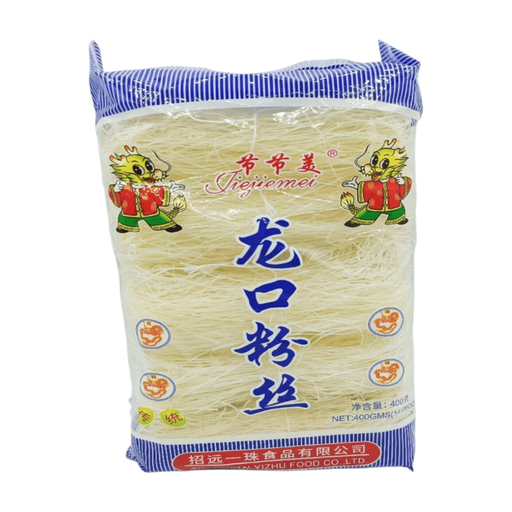
Why It Stands Out: According to the manufacturer, these vermicelli are distinguished by their exceptionally smooth, silky texture and high transparency after cooking. The blend of pea and mung bean starch is designed to remain stable even during longer cooking times.
Pros:
Who It's For: For cooks who value a fine texture and high cooking stability. Highly recommended for dishes where the noodles will remain in hot liquid for an extended period without losing their shape.
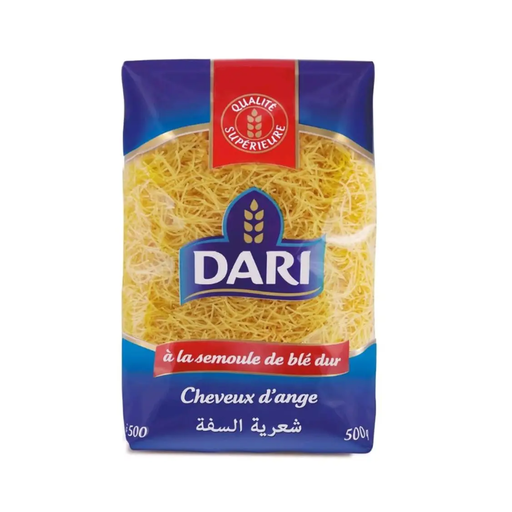
Why It Stands Out: This product represents the Mediterranean style of wheat noodles. Made from 100% durum wheat semolina, it delivers the authentic flavour and firm texture required for Italian or Middle Eastern dishes.
Pros:
Who It's For: Perfect for fans of Mediterranean and Middle Eastern cuisine who need fine noodles for soups, pilafs, or side dishes. As it contains gluten, it is not suitable for a gluten-free diet.
Our selection covers common use cases, from gluten-free glass noodles to classic wheat noodles. However, if you wish to explore more specialised noodle varieties or other brands, you can find a wider range of options in our category.
Discover more noodle varieties here.
The main difference lies in the raw ingredients and the resulting texture. Glass noodles are made from plant starch (e.g., from mung beans or peas) and become transparent and elastic when cooked. Rice noodles are made from rice flour, remain whitish-opaque after cooking, and have a softer consistency.
No. The term is not uniformly defined. Asian varieties like glass noodles or rice noodles are typically gluten-free. However, Mediterranean wheat noodles, also called vermicelli, are made from durum wheat and contain gluten. It is therefore essential to check the ingredient list on the packaging before buying.
The preparation method depends heavily on the noodle type. Starch-based glass noodles should usually only be soaked for a few minutes in hot (not boiling) water to preserve their chewy texture. They are then rinsed and ready to be used. In contrast, wheat-based vermicelli are cooked like regular pasta in salted water until they reach the desired firmness. Always follow the specific instructions from the manufacturer on the product packaging.