
Lieferung heute & morgen

Qualitätsgarantie

Willkommens-Angebote freischalten: KOSTENLOSE Lieferung | Bis zu 80 % RABATT | Kostenlose 30-Tage-JoyPlus-Testphase
App herunterladen
A balcony or patio is a valuable private retreat. However, intense sunlight, wind, or the prying eyes of neighbours can quickly disrupt your relaxation. A vertical awning for your balcony promises an effective and flexible solution. But the market is flooded with products of widely varying quality and durability. Before you make a decision, it's crucial to understand the typical weak points that often only become apparent after the purchase.
As your Joybuy Product Recommendation Officer, I'm here to help you separate the wheat from the chaff. In this guide, I'll show you what to look for to make an informed choice and avoid a bad investment.
Many products look convincing at first glance but prove to be impractical or short-lived in daily use. Pay special attention to these three common flaws:
To avoid these pitfalls, you should check three core parameters before buying. These are key determinants of the functionality and lifespan of your new vertical awning.
The heart of any awning is its fabric. Look for a polyester fabric with a weight of at least 280 g/m?, or even higher. A high fabric weight is an indicator of tear resistance and durability. A PU (polyurethane) coating is also essential. This makes the fabric water-repellent and protects it from fading. Good sun protection for the patio should offer a UV protection factor of over 90%, which is typically specified for high-quality fabrics.
The cassette protects the fabric and the mechanism. Here, aluminium has proven to be the ideal material. It is lightweight, strong, and, most importantly, rust-proof—a decisive advantage over painted steel, where scratches can quickly lead to corrosion. Operation is usually via a hand crank. Check if it is detachable to ensure a clean look when not in use and to prevent unauthorised operation.
Solid wall mounting is the foundation for a secure hold. Ensure that the mounting hardware is included and suitable for your wall. For effective wind protection on the balcony, additional tension cables or bungee cords at the bottom of the awning are essential. They keep the fabric taut even in a light breeze and prevent loud, material-damaging flapping.
Based on these quality criteria, we have put together a selection of products for various needs and applications.
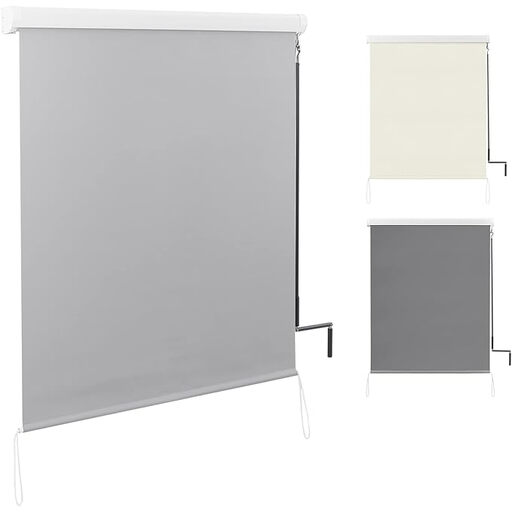
Why This Fits Their Persona: Ideal for users with standard balconies who are looking for a functional and durable solution without a large budget. It offers all the essential features for reliable sun and privacy protection.
This model features a full aluminium cassette that protects the fabric and a heavy, tear-resistant 450 g/m? polyester fabric. This directly bypasses the typical weaknesses of an unprotected, thin fabric.
The combination of a robust cassette, heavy fabric, and included tension ropes offers excellent value for money and high stability.
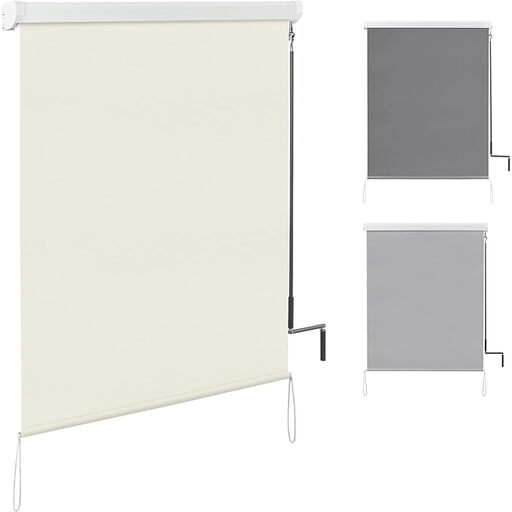
Why This Fits Their Persona: Perfect for users who value a harmonious aesthetic. The beige colour blends discreetly with many building facades and balcony designs while offering full functionality.
According to the manufacturer, the PU-coated fabric provides 90-95% UV protection and is water-repellent. The included tension ropes secure the fabric against wind, avoiding the problem of unstable, flapping awnings.
The infinitely variable height adjustment via the hand crank allows for flexible adaptation to the sun's position. The crank is detachable and can be stored to save space.
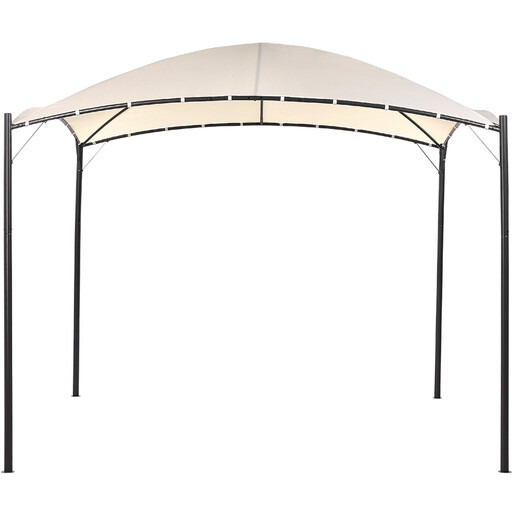
Why This Fits Their Persona: For homeowners with a large patio or garden area where a single vertical awning is not enough. This pergola creates an expansive, sheltered outdoor living space.
Unlike smaller, unstable solutions, this pergola offers a stable, freestanding structure. The powder-coated steel frame is designed for durability and resistance to the elements.
Creates a defined, shaded outdoor area with over 9 m? of covered space. The construction is significantly more robust than that of simple gazebos or parasols.
We have compiled a complete, up-to-date list of products that fully meet these strict selection criteria and local safety regulations.
Wind resistance depends heavily on the model, professional installation, and the presence of tensioning systems. Models with side guide rails or robust tension cables are more stable. However, the general rule is that every awning should be retracted during strong winds, storms, or hail to prevent damage to the fabric and frame.
Installing a vertical awning typically requires drilling into the building facade or balcony ceiling. Such structural changes require approval. Therefore, you must clarify your plans in writing with your landlord or property management before making a purchase. For some situations, there are also clamp-on awnings that can be installed without drilling.
Both serve as a balcony privacy screen, but they function differently. A vertical awning (also known as a balcony roller blind) unrolls from top to bottom and protects against high or low sun as well as frontal views. A side awning is pulled out horizontally from the house wall to the side and primarily protects against side winds and the gazes of neighbours at the same level.