
Lieferung heute & morgen

Qualitätsgarantie
App herunterladen
Kategorien
A video doorbell enhances the functionality of a traditional doorbell by adding a visual component and communication capabilities. Choosing the right model depends on your installation environment, personal security needs, and desired connectivity. The technological differences between devices, particularly regarding power supply and data transmission, are key to your purchasing decision. This article analyses the technical specifications of various doorbell types to help you make an informed choice.
Your decision should be based on an analysis of the following technical specifications.
The type of power and data connection largely determines the installation effort and operational stability.
The camera's quality determines the practical utility of visual monitoring. An HD resolution (720p or higher) is necessary for the clear identification of individuals. The field of view, specified in degrees, defines the camera's coverage area. A wider field of view (e.g., 140° or more) covers more of the entrance area, reducing blind spots.
Recorded video clips must be stored for later retrieval. There are two primary methods:
Modern devices offer a range of features that enhance convenience and security.
The following products cover different user needs, from a simple wireless chime to a robust PoE system.
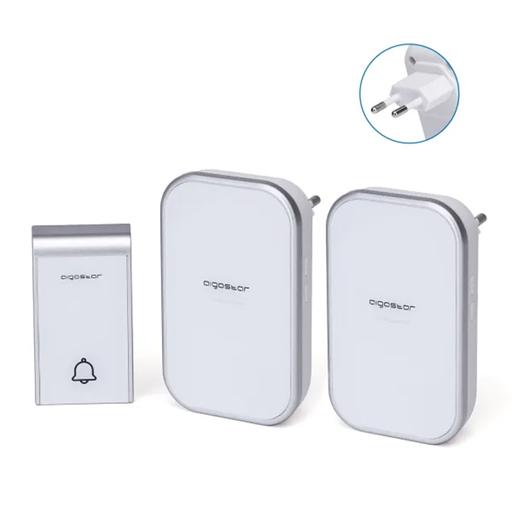
Why We Recommend It The Aigostar model is a classic wireless chime that focuses on the core function of providing an audible alert. It intentionally omits video and network features, offering instead a straightforward, tool-free installation and reliable operation without depending on Wi-Fi or apps.
Pros
Who It's For This product is designed for users seeking a simple, budget-friendly, and ready-to-use wireless doorbell without video functionality. It is suitable for rental apartments, gardens, or as an additional chime unit in larger homes.
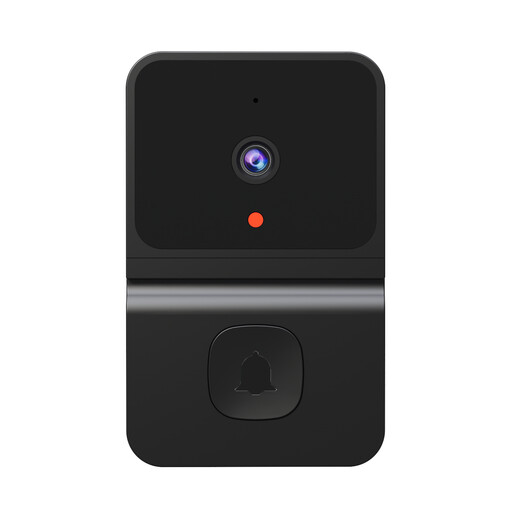
Why We Recommend It The Rexsun T23 is a smart doorbell that combines flexibility with modern features. Its battery-powered operation and Wi-Fi connectivity allow for installation without any structural modifications. It offers all the essential features of a doorbell with a camera and Wi-Fi, including remote access via an app, two-way audio, and night vision.
Pros
Who It's For This model is aimed at renters and homeowners who want a modern video surveillance solution but wish to avoid complex wiring. It is ideal for users who value remote access and smart notifications.
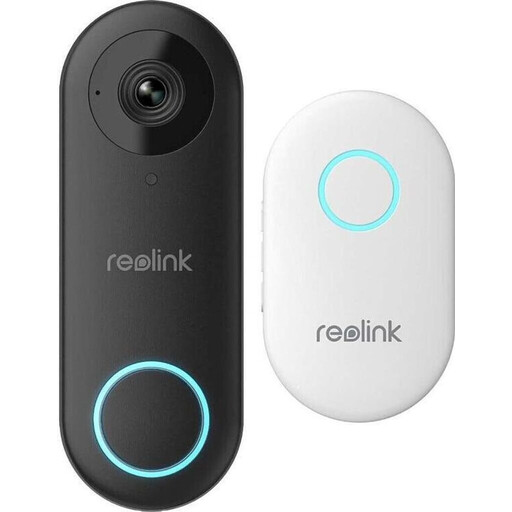
Why We Recommend It The Reolink D340P is designed for users who prioritise maximum stability and control. Its PoE technology provides an uninterrupted power and data connection. Features like smart person detection, local storage on a microSD card, and six-second pre-roll recording offer a high level of security and full control over your data.
Pros
Who It's For This model is the right choice for homeowners and small business owners looking to install a permanent and highly reliable security solution. It appeals to tech-savvy users who value a stable connection and complete control over their recorded data.
If the models presented here do not exactly meet your requirements, you can find a wider selection of devices with different specifications in our main category. There, you will find more solutions for various use cases and budgets.
Explore our full range of Doorbells and Chimes.
1. What is the difference between a Wi-Fi doorbell and a PoE doorbell? A Wi-Fi doorbell connects wirelessly to your home network and is often powered by a battery or existing doorbell wiring. A PoE doorbell uses a single Ethernet cable for both a wired network connection and power, which offers greater stability but requires a more complex installation.
2. Does a video doorbell always require a subscription? No. A subscription is typically only required for using cloud storage services. Many models, such as the Reolink D340P, offer the option of local storage on a microSD card or an NVR. This allows you to save videos without incurring recurring monthly costs.
3. How is a wireless doorbell powered? A wireless doorbell is typically powered by a rechargeable battery or disposable batteries. Battery life varies depending on the model and frequency of use, and can range from several weeks to several months before recharging or replacement is necessary. The corresponding receiver (chime) is usually plugged directly into a wall socket.