What should you look for when buying?
First, check whether you can position and dim the light precisely for close-ups. Then test how it renders colour on the fabric, and plan your set-up around the condition of the item.
| What you need |
What to check when buying |
Who it matters most to |
| Fine surface texture |
Check whether you can adjust the light direction and brightness, and whether the diffuser lets you capture the detail you want. |
If I want to show stitches, hems and fabric texture clearly, I need a light that I can direct precisely at the subject. Around 36% of consumers put the visibility of fine details first. |
| Fabric and thread colours |
Look for adjustable colour temperature and colour rendering information for the specific model. Also check the results using a set white balance and test shots. |
If you want to record fabric and thread colours consistently, check the light on the material you’ll actually be using: a single rating can’t guarantee how every colour will look. Around 29% of consumers prioritise colour accuracy. |
| Delicate textiles |
Plan for safe positioning and dimming, and adjust the lighting and exposure time to suit the item’s condition and needs. |
If I’m photographing a fragile or historic item, I want to plan the set-up in advance and avoid unnecessary lighting. Around 21% of consumers put gentle handling first. |
| Set-up and power supply |
Check what’s included, the connections and the power supply for the specific version, including whether you’ll need an adapter or battery. |
If you’re working on location without a suitable light modifier, stand or power connection, you need a kit whose accessories and power supply suit your set-up. Around 14% of consumers prioritise a straightforward, portable set-up. |
Joybuy products for close-ups
The products below include COB continuous lights, compact lights and a small light box for close-ups and product photography. According to the product information, the light box is designed for small subjects, not full-length shots of traditional dress.
 No image available
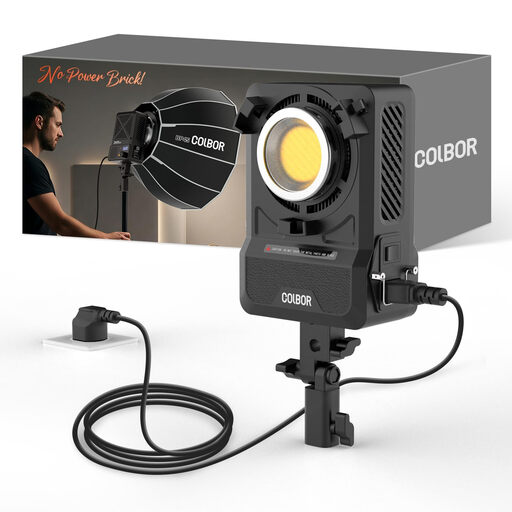
COLBOR 200 W LED COB video light, bi-colour 2700–7000 K, Bowens mount
A good choice if you want to use a light modifier with a compatible Bowens mount for close-ups.
200 W; COB light; bi-colour range of 2700–7000 K; built-in power supply.
View at Joybuy
 No image available
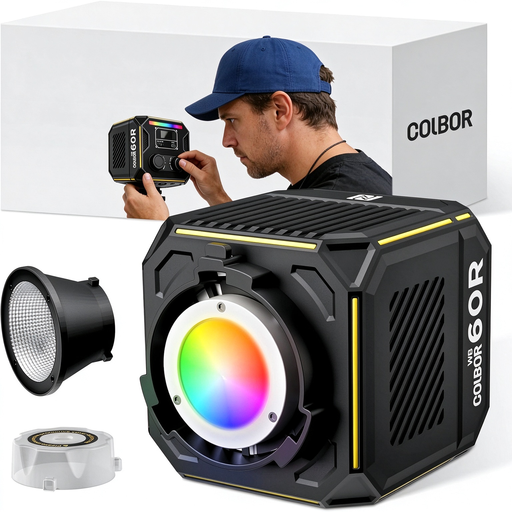
COLBOR 60 W LED COB video light with 59 Wh battery, 2700–6500 K
A good choice if you’re looking for a COB light for a set-up without a constant mains connection.
60 W; built-in 59 Wh battery; bi-colour adjustment from 2700–6500 K and full-colour control.
View at Joybuy
 No image available
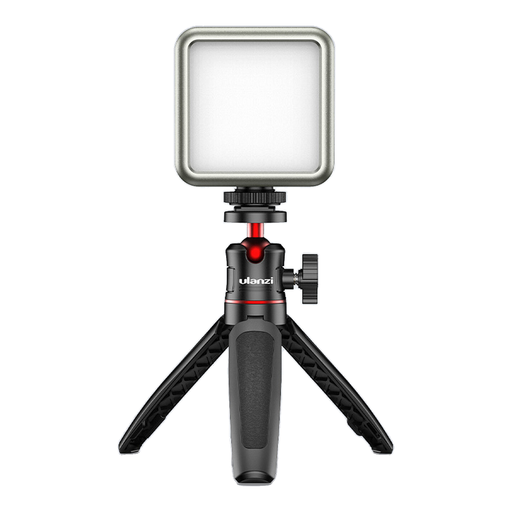
ULANZI VL49 LED video light with 2000 mAh battery, 2500–9500 K
Suitable for compact macro and product shots where a small light can be positioned flexibly.
2000 mAh battery; dimmable light; adjustable colour temperature range of 2500–9500 K; magnets on the back.
View at Joybuy
 No image available
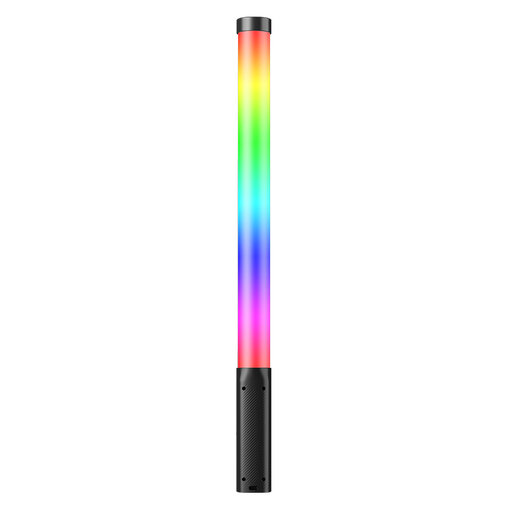
Ulanzi VL119 handheld video light, 10 W, 3300 mAh battery
A good choice if you want to position a handheld light wand flexibly for close-ups.
10 W; 360 lux at 0.5 m; adjustable range of 2500–9000 K; 360° RGB colour light and built-in 3300 mAh battery.
View at Joybuy
 No image available
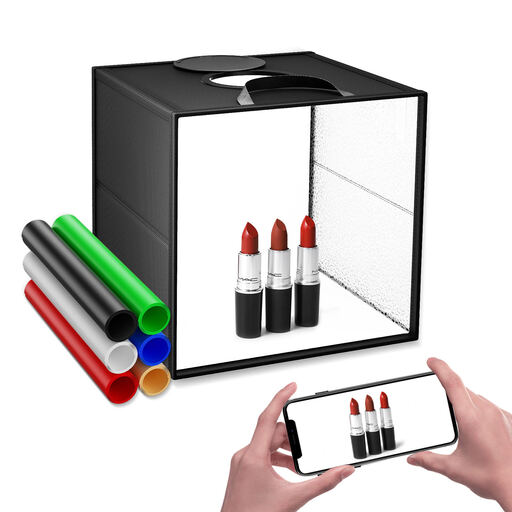
40 cm mini photo box with 120 dimmable LEDs
Suitable for smaller areas of embroidery or seams, but not for full-length shots of traditional dress.
40 cm light tent; 5600 K; according to the product description, three colour temperature modes, stepless brightness adjustment and diffusion cloth. The package also includes six coloured backdrops.
View at Joybuy
Frequently asked questions
How can I photograph prominent stitches without rearranging the whole outfit?
Take a full-length shot and add close-ups. For unusual fabric textures, the Smithsonian Museum Conservation Institute recommends sharp close-up photographs. It also advises against moving badly damaged textiles just to photograph them.
Is a high CRI rating enough to capture the colours of traditional dress accurately?
No. A high CRI rating alone doesn’t guarantee that every fabric colour will be rendered accurately. The Smithsonian Institution Repository describes how LEDs with the same colour temperature can render colours differently. So check the actual fabric under the lighting you plan to use, and check the white balance.
Will any softbox fit any COB video light?
No. The mount and accessories need to be compatible. Godox lists a Bowens mount for the SL60IIBi; according to the Nanlite manual, you need an adapter to use Bowens accessories with the Forza 60B II’s FM mount. Also check what’s included with the specific combination.
If a product develops a fault in Germany, what applies: a guarantee or statutory rights?
When you buy from a business seller, you generally have statutory rights against the seller. Your Europe states that EU purchases are covered for at least two years from the date you receive the goods. A voluntary manufacturer’s or retailer’s guarantee does not replace these rights. The details depend on the specific purchase and the applicable terms.
Is the CE marking on a video light an independent safety test?
No. Where the relevant harmonised EU rules require a CE marking for a specific product, the manufacturer uses it to declare that the product complies. Your Europe explains that no central EU body issues a general CE certificate for this purpose. Check the product information and power supply suitability for the specific item, rather than treating the marking as an independent quality assessment.


