Which type of lighting is right for you?

Detail photographers

If you want to show the embossing, carving marks or fabric textures on individual Advent ornaments, you can adjust the contrast on the surface by changing the angle of the light. The Canadian Conservation Institute describes grazing light at an angle of 5 to 10° to the surface as one way to bring out texture.

Photographers seeking consistent colour across a series

When photographing several handmade pieces, using the same setup helps keep the lighting consistent from one shot to the next. The colour of the light and your camera settings should work together; an adjustable light on its own won’t guarantee accurate colour reproduction.

Photographers of shiny ornaments

With glaze, foil or metal, you’ll need to balance visible reflections against the shape and texture of the surface. You can reposition the light, diffuser and reflector for a test shot, but more diffused light can also make fine reliefs appear less pronounced.

What should you look for when buying?

Compact, easy-to-position light

A good fit if: you photograph individual small ornaments from different angles and have limited space.

Things to consider: A small light source won’t necessarily illuminate several ornaments evenly; mounting options and usable run time depend on the model.

Bi-colour panel with diffuser

A good fit if: you want to photograph several ornaments in more even light and adjust the colour temperature.

Things to consider: Even, front-facing light can make shallow relief less noticeable; the panel and its mount need space.

COB continuous light with modifier

A good fit if: you want to soften or shape the light with a compatible modifier.

Things to consider: A Bowens mount doesn’t mean a softbox or stand is included; lux figures measured with a reflector don’t automatically apply to a softbox setup.

Window light with a white reflector

A good fit if: you only take photos occasionally and the available window light suits your subject.

Things to consider: Window light changes with the time of day and the weather; an adjustable continuous light can be more practical for repeatable results across a series.

What you need What to check before buying Who is it important to?
Show fine relief Can you position the light and its mount low and to the side of the subject? Compare test shots taken from at least two angles. If you want to show the embossing or fibres on individual ornaments, the angle of the light is key. Around 36% of consumers would put surface details first.
Keep material colours consistent Check the adjustable white-light range of the specific model and test your materials using the same camera settings. When photographing a series, you don’t want changes in lighting to make paper, fabric and painted details look different from one shot to the next. Around 29% of consumers would prioritise consistent material colours.
Control reflections Check which diffuser is included, how it attaches and whether you can adjust its position. With shiny or glazed ornaments, you’ll want to position reflections so that decorations remain visible. Around 21% of consumers would prioritise reflection control.
Space and power supply Measure the available space and check the mount, what’s included and the power source for the length of your planned shoot. If your photography table is short on space or you’re working away from a nearby socket, you’ll need a suitable mount and power supply. Around 14% of consumers would put a flexible setup first.

Avoid common buying mistakes

  • Using the highest lux figure as your only guide

    Manufacturer figures refer to specific distances and, in some cases, a standard reflector. A diffuser or softbox changes the light reaching your subject.

    Only compare figures measured at the same distance and with a similar light modifier. Also consider how evenly the whole ornament is illuminated.

  • Assuming soft front lighting will automatically show more detail

    Even lighting can show colours, while light falling at a shallow angle can make surface textures stand out more.

    Photograph the same ornament with even lighting and then with side lighting, and compare the results.

  • Confusing a mount or product image with a complete kit

    The NEEWER NL660 is available in variants with different stand inclusions; according to the manufacturer, NP-F batteries need to be purchased separately. A Bowens mount doesn’t mean you’re getting a complete COB setup.

    Check the contents of the exact variant against the stand, modifier and power supply you’ll need for your setup.

    Key brands at a glance

    SmallRig

    The RM 03 is a macro light with a flexible arm that you can position for close-up subjects.

    • SmallRig lists a flexible arm, diffuser and clamp for the RM 03.
    • The RC 60B Lite Edition is a different, battery-powered COB design. The stated run times apply to the respective operating modes specified.

    NEEWER

    The NL660 is a bi-colour panel for a setup with room for the panel and, where needed, a stand.

    • The manufacturer lists 3200–5600 K, a white diffuser and mains power.
    • Whether a stand is included depends on the variant; according to the manufacturer, NP-F batteries need to be purchased separately.

    amaran

    The COB 60x S is an adjustable COB continuous light with a Bowens mount for compatible modifiers.

    • For this model, amaran lists 2700–6500 K, with CRI and TLCI both at 97.
    • Published lux figures depend on colour temperature, distance and whether measurements are taken with or without a reflector; they don’t automatically describe a softbox setup.

    Godox

    The SL60IIBi is a bi-colour COB light with a Bowens mount for a more permanent setup.

    • Godox lists 2800–6500 K and dimming from 0 to 100%.
    • The published lux figure applies at a distance of one metre with the standard reflector. The manual warns, among other things, against looking directly into the light and using the unit in wet conditions.

    Aputure

    The MC Pro is a small battery-powered panel for targeted fill light in compact setups.

    • Aputure lists built-in magnets and small diffusers included with the light.
    • Magnetic mounting requires a suitable surface. Photometric figures differ between the light without accessories and when used with diffusers.

Lights for compact photo setups

This Joybuy selection includes compact lights and lighting solutions for product and close-up photography, with options to adjust the light position or colour to suit your setup.
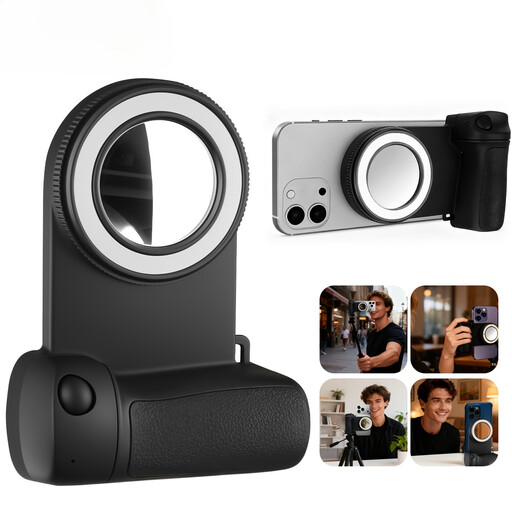
Yoever fill light with camera grip

Yoever fill light with camera grip

The camera grip is designed to let you adjust the light in portrait or landscape orientation; according to the product name, the light is intended for photography and vlogging.

With a Type-C battery. Magnetic attachment requires a compatible smartphone or case.

Joybuy
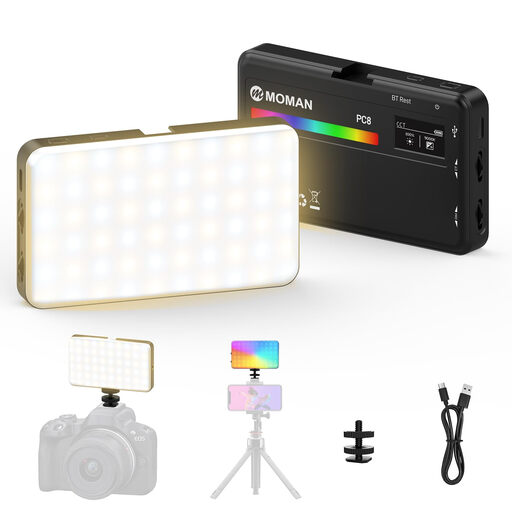
MOMAN PC8 RGB camera light

MOMAN PC8 RGB camera light

The product description lists product photography as a possible use. Before buying, check that the intended mounting method suits your photo setup.

Portable LED video light with RGB lighting.

Joybuy
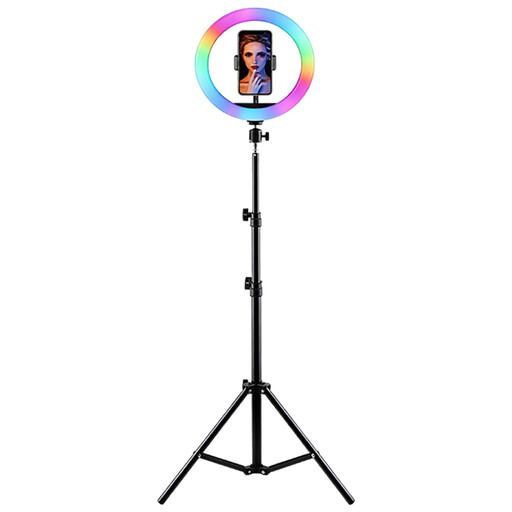
RGB LED ring light with stand and smartphone holder

RGB LED ring light with stand and smartphone holder

The product name describes this as a video recording kit and lists a height-adjustable stand and smartphone holder as included.

According to the product name, brightness and colour temperature are adjustable. Check that the ring and stand fit in your available space.

Joybuy
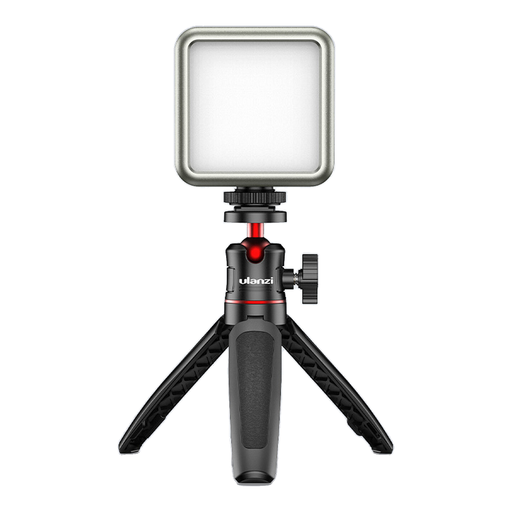
Compact LED video light for macro and product photography

Compact LED video light

If you’re looking for a compact light for macro and product photography, check the exact model name and the mounting method intended for your setup before buying.

Joybuy
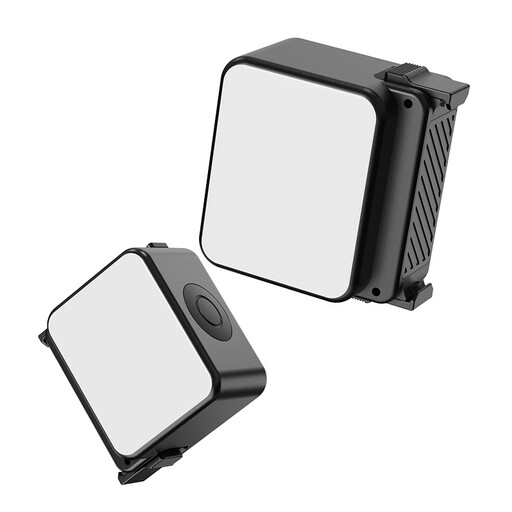
Ulanzi LM18 mini video light

Ulanzi LM18 mini video light

According to the product name, this handheld light is designed for product photography and can be repositioned as you set up your shot.

With a 500-mAh battery and magnetic quick mount; the product name lists DJI OSMO Action 3/4/5/5 Pro as compatible models.

Joybuy

Frequently asked questions

Do I need a particularly powerful light to show fine embossing?

Not just because of the embossing. The Canadian Conservation Institute describes low, side-on lighting as one way to bring out surface texture. First, try different lighting angles, then check whether the brightness and illuminated area are sufficient for your ornament. Only compare lux figures when the distance and light modifier are comparable.

How can I avoid harsh shadows and distracting reflections?

Move the light and try a suitable diffuser or white reflector. More even lighting can change reflections and shadows, but it can also make fine reliefs appear less pronounced. Decide based on a test shot of the actual ornament.

What should I bear in mind when setting up and cleaning my light?

Secure the light and modifier firmly, and follow the instructions for the specific model. For the Godox SL60IIBi, the manufacturer’s instructions call for a dry, well-ventilated setup, warn against looking directly into the light source and require the unit to be unplugged before cleaning. These instructions are specific to this model and don’t apply to every light.

Which accessories and protections should I check in case of a fault?

Check the specific listing for a stand, diffuser, compatible power supply and, if needed, a battery. The NEEWER NL660 is available in different kit variants; according to the manufacturer, NP-F batteries aren’t included. For consumer purchases in Germany, statutory rights against the seller should be distinguished from a voluntary guarantee, as explained by the Verbraucherzentrale.

What should I know about labelling and disposal in Germany?

Electric lights are subject to the relevant EU product regulations. CE marking is required only for products covered by harmonised EU rules that require it. When monitoring the market for lighting products, the Bundesnetzagentur checks points including correct labelling, manufacturer details and German-language instructions. In Germany, end-of-life electrical equipment must not be put in household rubbish; take it to an appropriate return or collection point instead.