Capturing costume colours
If you want to capture fabric colours under changing artificial lighting, match the light’s colour temperature to your camera’s white balance. Adobe explains that white balance adjusts the camera to the light source.


A compact battery-powered light is handy for close-ups on the move. In a fixed setup, a diffused panel makes it easier to position broad, even lighting, while a COB light with a suitable modifier gives you more control over shaping the light. Check the colour temperature, white balance, reflections, what’s included and the power supply for the specific version. The manufacturer’s specifications alone can’t tell you how your costume will look in the finished image.
If you want to capture fabric colours under changing artificial lighting, match the light’s colour temperature to your camera’s white balance. Adobe explains that white balance adjusts the camera to the light source.
With sequins, beads or embellishments, being able to control the light’s position and diffusion matters just as much as its brightness. Adobe describes diffusion as a way of scattering direct light. Check the angle and size of the light against your subject.
If you often change where you shoot, weigh up the light’s size, power supply and mounting options against the area you need to illuminate. Manufacturer claims about battery life apply to specific operating modes, so check they suit how you plan to use the light.
Start by choosing a light to suit where you’ll be shooting and the type of lighting you want. Then compare colour control, reflections, battery life and the complete setup.
| What matters most | What to check before buying | Who it matters to |
|---|---|---|
| Colours under artificial lighting | Check the colour temperature range for the exact model, then take a test shot with your camera and costume. | If I want to capture fabric colours consistently under changing artificial lighting, I match the light’s colour temperature to the white balance. Around 33% of consumers put colour reproduction first. |
| Texture and reflections | Check for a diffuser, an adjustable mount and enough space to maintain the required distance. Test the lighting angle on your subject. | With sequins and beads, I want to control reflections and visible texture by adjusting the light’s position and diffusion. Around 25% of consumers prioritise control over surfaces and reflections. |
| Use on the move | Check battery life in your preferred mode, charging requirements and mounting options for the exact version. | If I’m moving between costumes or shooting locations, I want to know how easy the light is to reposition and power. Around 25% of consumers put portability first. |
| Complete setup | Check the contents and connections for the specific version, including the power adapter, battery, stand and any required light modifier. | If I want to shoot without finding that an accessory is missing, I check the version is compatible with my existing setup. Around 17% of consumers prioritise a complete setup that’s ready to use. |
Distance, operating mode and light modifier all affect the conditions under which a measurement applies. Figures from different setups therefore don’t automatically tell you which light will illuminate your costume better.
Only compare figures measured at the same distance, in the same mode and with the same light modifier. Then test the area you need to light on your subject.
Versions can differ in what’s included and how they’re powered. Depending on your planned setup, you may also need a stand, a compatible battery, a suitable PD power source or a light modifier.
Before buying, check the contents and connections for the specific version against the accessories you already have.
In particular, check whether a power adapter, stand, battery and diffuser or softbox are included, or need to be bought separately for your setup.
Adjustable colour temperature and the manufacturer’s colour-rendering claims are no substitute for setting the right white balance and checking the results with your fabrics. The final image also depends on the actual lighting and your camera settings.
Take a test shot with the costume and check the colours and reflections in the finished image.
Compact battery-powered lights for setups where you need to change position often. The Ace 25x is one documented example.
Bi-Colour panels for a positionable, more fixed setup. The NL660 is listed on the manufacturer’s German website.
Flexible COB continuous lighting for setups with a light modifier. The ML60II Bi is one documented example.
Battery-powered COB continuous lighting for mobile setups. The RC 60B Lite Edition is one documented example.
This selection includes compact battery-powered and COB video lights for close-ups on the move or a positionable setup.
 No image available
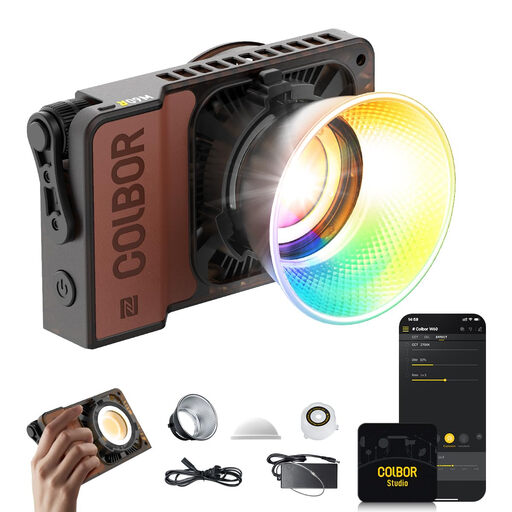
For close-ups on the move when you want to match the light’s colour temperature to changing artificial lighting.
The product description lists 60 W, 2700–6500 K, RGB control and a weight of 345 g.
 No image available
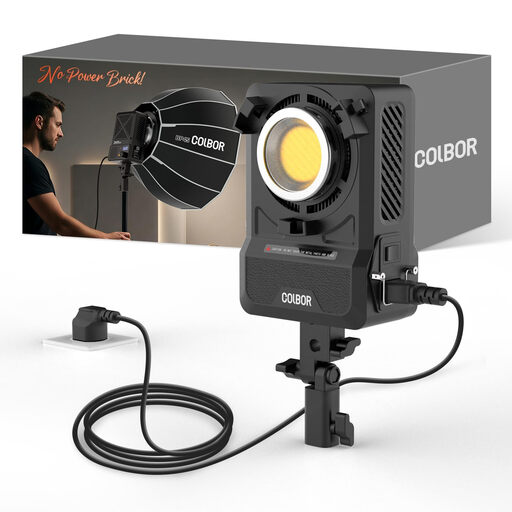
For a positionable setup when you want to adjust the colour temperature and use a compatible light modifier.
The product title lists 200 W, 2700–7000 K and a Bowens mount. The description says it’s powered from the mains via a cable.
 No image available
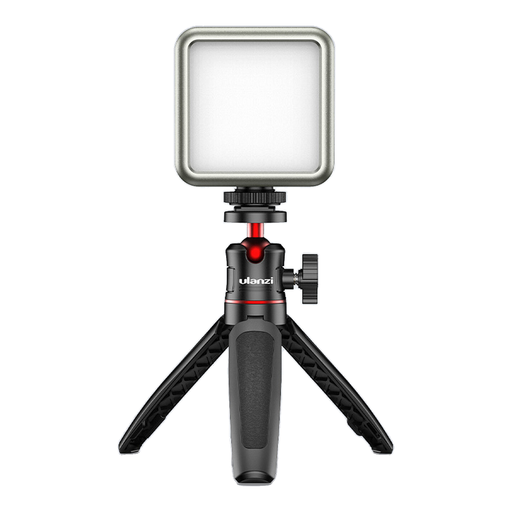
For close-ups on the move when a compact light with a built-in battery suits your setup.
The product title lists a 2000-mAh battery and 2500–9500 K; the product description mentions magnets on the back.
 No image available
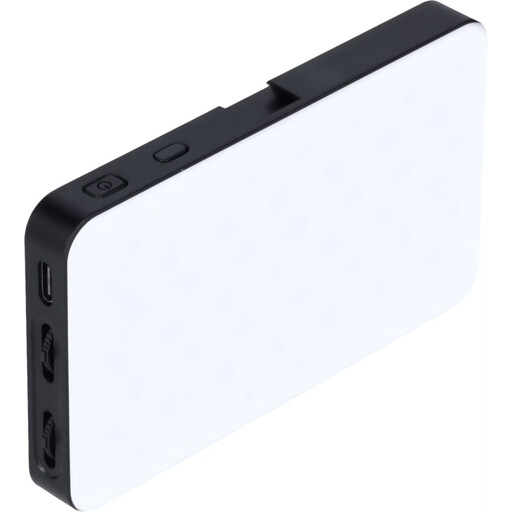
For moving between locations when you want a compact light with a built-in battery and adjustable colour temperature.
The product description lists 8 W, 2500–9000 K, RGB with 360 colours, app control and a weight of 125 g.
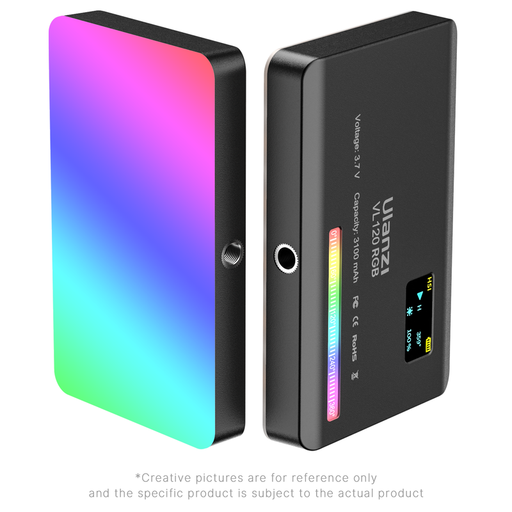 No image available
For changing shooting locations when a built-in battery and a cold shoe mount suit your camera setup.
The product description lists 2500–9000 K, RGB mode and a cold shoe mount.
Set the Bi-Colour light’s colour temperature to suit the look you want, then adjust your camera’s white balance to match the actual lighting. If you’re using several light sources with different colour temperatures, a test shot of the costume will tell you more than the Kelvin reading alone.
That depends on your setup and the version you choose. NEEWER Germany lists a power adapter for the NEEWER NL660. A stand is listed only with the relevant version, and NP-F batteries aren’t included.
The Verbraucherzentrale distinguishes between your statutory rights against the seller and a voluntary guarantee. For ordinary online purchases of goods, you generally have a 14-day right to cancel. You must notify the seller that you’re cancelling.
According to EU guidance, CE marking is required only for products covered by relevant harmonised legislation; it isn’t a certificate issued by a central EU body. Electrical and electronic equipment must carry the relevant crossed-out wheeled bin symbol. The German Environment Agency notes that old appliances must not go in household waste in Germany, and removable batteries must be disposed of separately.