Collectors with mirror-like coins
If you film polished or highly reflective coins, you want to show their relief and lustre without distracting reflections. PCGS describes how light sources and cameras reflect on coin surfaces.


For shiny coins, a dimmable continuous light with an adjustable side angle is a good choice. Diffusion can alter distracting reflections, but it may also reduce the contrast that gives the coin its lustre. A panel makes a tabletop setup simpler, while a COB light lets you choose a light modifier separately. A battery-powered light is an option if you move between filming locations. The best way to assess colour rendering and flicker is to take test shots using your planned camera and lighting settings.
If you film polished or highly reflective coins, you want to show their relief and lustre without distracting reflections. PCGS describes how light sources and cameras reflect on coin surfaces.
When filming under room lighting, you want to minimise colour casts and inconsistent results. PCGS describes a colour cast caused by fluorescent lighting, while Nikon explains white balance using a neutral reference.
If you move between a display cabinet, tabletop and close-up shots, the right mounting option and available power supply matter. NEEWER says the NL660 can run from a power adapter or separately available NP-F batteries; SmallRig gives a limited battery life for the RC 60B Lite Edition.
First, check whether you can adjust the angle and diffusion to suit your coins. Next, consider colour temperature and test for flicker with your camera. If you film in different locations, the power supply matters too.
| What matters | What to check when buying | Who it matters most to |
|---|---|---|
| Reflections and relief | Adjustable angle and a diffuser or suitable light modifier; assess reflections using several short test clips. | If I want to reduce reflections while keeping the relief visible, I look for adjustable lighting. Around 36% of consumers put control of reflections first. |
| Colour and detail | Adjustable colour temperature and colour-rendering information for the specific model; test the white balance using a neutral reference. | If I want to show coins consistently under room lighting, I pay attention to colour and detail. Around 29% of consumers prioritise consistent colour representation. |
| Flicker in video | Review a test recording at the frame rates, shutter speeds and dimming levels you plan to use. | If I want to avoid distracting bands or changes in brightness in my clips, I test the light and camera together. Around 21% of consumers put flicker control first. |
| Power supply and portability | Check what’s included with the specific variant, what mounting equipment you need and which power source is suitable; only use battery-life figures for the stated power setting. | If I change filming locations during a trip, I need a suitable power supply and a practical setup. Around 14% of consumers prioritise portability. |
With a 50 Hz power supply, Sony lists 1/50 s or 1/100 s as possible shutter speeds for reducing flicker. You’ll only know whether this helps with a particular LED light and dimming level by checking the clip. You should also test diffusion on the coin: PCGS explains that it can alter reflections, while too much diffusion may reduce the contrast that gives the coin its lustre.
A lux figure measured with a hyper reflector doesn’t automatically tell you how the light will look on a mirror-like coin with a softbox.
Only compare figures measured at the same distance and with the same light modifier. Consider how you’ll actually position the light before comparing power ratings.
Depending on your setup, you may also need a light modifier and a suitable mount.
Diffusion can alter harsh reflections, but it can also reduce the desired lustre and relief contrast.
Adjust the angle and diffusion separately, then assess the specific coin in short test recordings.
With the NEEWER NL660, whether a tripod is included depends on the package variant; NP-F batteries aren’t included. The stated battery life for the SmallRig RC 60B Lite Edition depends on the mode selected.
Check the full variant name, what’s included and the power supply you’ll need for your planned recording time.
Depending on your setup, you may need a tripod, NP-F batteries, a suitable PD power source or a light modifier.
The NL660 is a bi-colour panel designed for a tilting tabletop setup.
The P260C Pro is a panel with an integrated diffuser; it’s different from the LEDP260C, which has different specifications.
The 100x S is a bi-colour COB light for use with a separately selected light modifier.
The RC 60B Lite Edition is a compact COB option with a built-in battery for filming in different locations.
The Joybuy products below include compact fill lights, ring lights and COB lights for video and close-up recording. For shiny coins, test the light angle, diffusion and flicker in sample clips. For mains-powered lights, also check the applicable conformity requirements and the labelling on the specific device variant and its power adapter.
 No image available
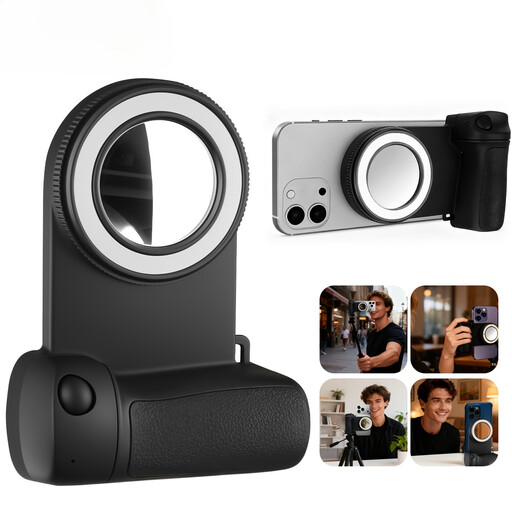
For smartphone recording when you want an adjustable fill light with a mobile phone mount.
The description lists three colour temperatures, adjustable brightness and a rechargeable Type-C battery. The magnetic mount requires a compatible smartphone or phone case.
 No image available
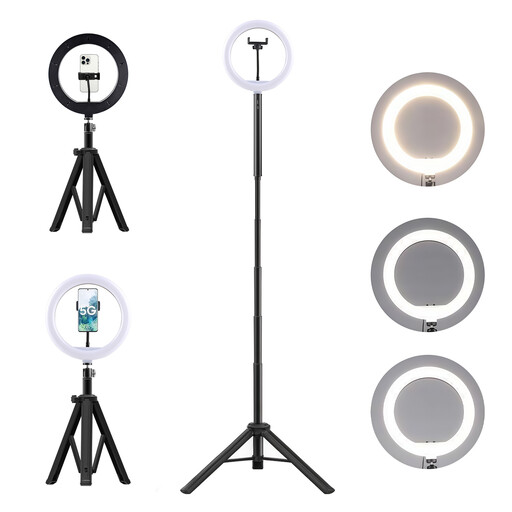
For a fixed tabletop setup using a ring light with a tripod and adjustable head.
The description lists a 10-inch ring light, a 70-inch tripod, a 10000 mAh power bank, ten brightness levels and three light colour modes.
 No image available
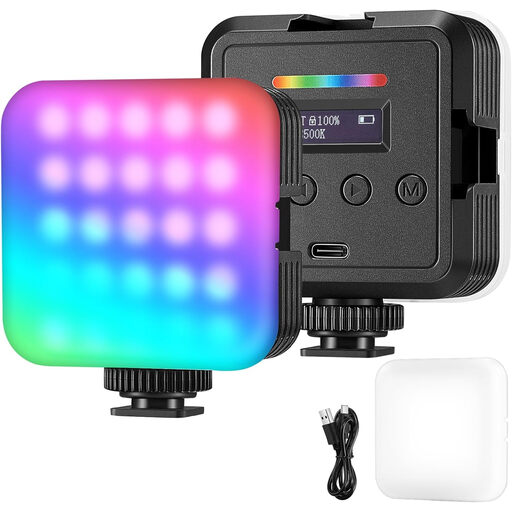
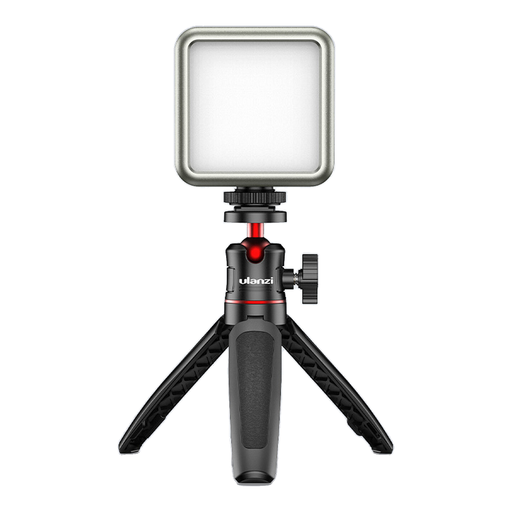
For portable photography and video recording when you want a choice of light colours and a compact mount.
The description lists a silicone diffuser, a hot shoe adapter, adjustable colour temperature, and RGB and white light modes. It can run on the built-in battery or via USB, according to the description. The light isn’t designed for wet or very humid environments.
 No image available
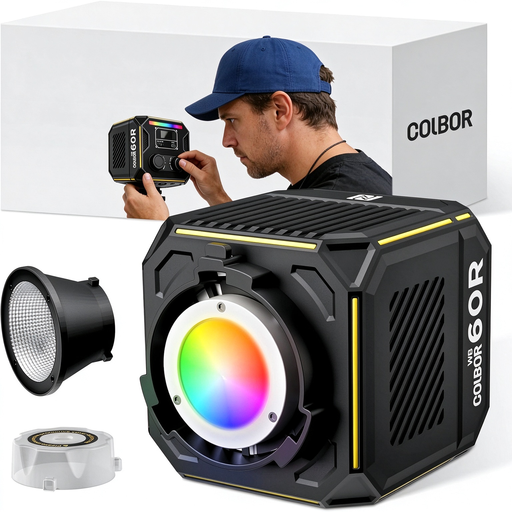
For an adjustable COB setup when you want to tailor the colour temperature and power supply to different filming locations.
Specifications include 60 W, a built-in 59 Wh battery, bi-colour lighting from 2700–6500 K and an RGBCW colour spectrum. The description specifies a 20 V/3 A PD charger for charging the battery; check that one is available for your setup.
 No image available
For macro and product photography when you need a compact, dimmable light with adjustable colour temperature.
The title lists a 2000 mAh battery and an adjustable colour temperature range of 2500–9500 K. The description lists magnets on the back.
No. On highly reflective surfaces, diffusion can alter distracting reflections, but it can also reduce the contrast that gives the coin its lustre. For the specific coin, compare several angles and levels of diffusion in short test recordings.
First, take a test shot using lighting that stays as consistent as possible. Setting the white balance using a neutral reference can produce a different result under mixed lighting than automatic white balance, so check the result with your own subject.
Test your planned lighting and camera settings in a short video recording. For a 50 Hz power supply, Sony lists 1/50 s or 1/100 s as possible shutter speeds for reducing flicker. You’ll need to check the clip to see whether this is enough for a specific LED and dimming level.
That depends on the model and package variant. NEEWER lists a power adapter and diffuser for the NL660, but a tripod is included only with the relevant variant; NP-F batteries aren’t included. SmallRig describes light modifiers for the RC 60B Lite Edition as optional accessories.
CE marking is required only if the relevant harmonised EU legislation requires it for the product. The German Federal Network Agency lists labelling, product identifiability and the required manufacturer details among the points to check. Include the specific device version and any supplied power adapter in your checks.
When a consumer buys from a trader in the EU, they are generally entitled to statutory protection against faulty goods for at least two years from receipt. Your Europe explains this minimum period; a voluntary manufacturer’s guarantee doesn’t replace your statutory rights.