
Same-day & Next-day Delivery

Quality Guaranteed

Unlock Your Welcome Offers: FREE Delivery | Up to 80% OFF | Free 30-day JoyPlus trial
Download the APP
By Joybuy Product Recommendation Officer, July 28, 2026
Vienna sausages are a staple in many kitchens—whether as a quick family meal, a hearty snack, or the base for a classic potato salad. But when you're at the supermarket or ordering sausages online, you're often faced with a massive selection that can be overwhelming. Not every sausage in a jar lives up to the promise on its packaging. Before you add your next pack to the cart, you should know the three common pitfalls that can lead to a disappointing purchase.
To avoid these problems, it helps to focus on a few objective criteria that define a quality product.
Choosing the right sausage depends on a few crucial parameters. Instead of being swayed by marketing promises, you should check the following product features.
A primary quality indicator is the meat content. Products with a high meat content, typically above 75%, generally offer a fuller, more authentic flavour. Most classic Vienna sausages are made from pork. Look for statements like "80% pork" on the label.
For consumers looking for an alternative, there are also poultry-based Vienna sausages. These are made from turkey or chicken and are often lower in fat. Those who place special emphasis on animal welfare and origin can look for organic sausages, where the meat comes from organic farming.
The ingredients list reveals the true composition of the product.
Consider what you need the sausages for. For a quick snack or a small meal, small sausages in a 6-pack are suitable. If you're planning a party or want to prepare sausages for hot dogs, larger packs or special hot dog sausages are the more practical choice. If you want to stock up, you should opt for sausages in a jar or can, as they have a long shelf life.
Here are some recommendations tailored to different needs and profiles.
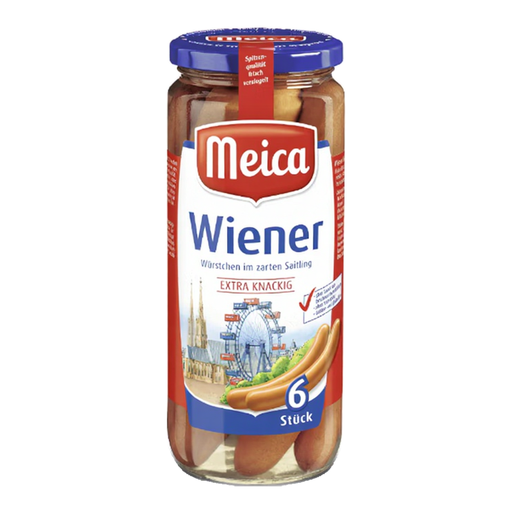
Why This Fits Their Persona: A reliable choice for families who need a quick and easy meal. The Meica brand is known for its consistent quality and snappy bite, making it a favourite among both kids and adults.
The product declares a high pork content of 80% and uses a sheep casing, which minimises the risk of a soft texture. According to the manufacturer, it is made without added flavour enhancers or colourings.
Classic, snappy bite from a natural casing. Gluten- and lactose-free according to the manufacturer, which is beneficial for households with corresponding intolerances.
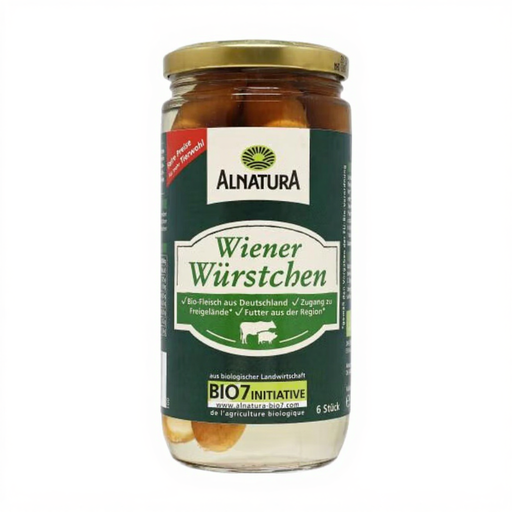
Why This Fits Their Persona: Ideal for consumers who value organic ingredients and transparent sourcing. The sausages are part of an initiative for greater animal welfare, which is a decisive criterion for conscious buyers.
The product is certified as organic sausages. The ingredients list is short and clean, without unnecessary fillers. The meat content from pork (68%) and beef (9%) is clearly declared and sourced from organic farming.
Organic quality with meat from German sources. The flavour is achieved through natural spices and beechwood smoke, not artificial flavourings.
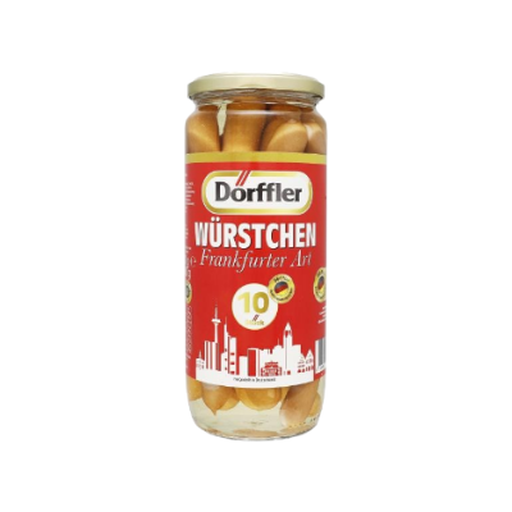
Why This Fits Their Persona: The 10-pack bulk size is ideal for hosting guests, for kids' birthday parties, or for stocking the pantry. The long shelf life when unopened makes it a practical product to keep on hand.
This product is clearly labelled as Frankfurter sausages, which reduces the risk of confusion with Vienna sausages. With 10 pieces, it offers a clear quantity for better planning and avoids the pitfall of a pack that's too small.
High meat content of 80% pork and the use of a sheep casing. According to the manufacturer, the entire production process, from rearing to packaging, takes place in Germany.
We have compiled a complete, up-to-date list of products that fully meet these strict selection criteria and German regulations.
Although the names are often used interchangeably, there are traditional differences. Frankfurter sausages are made exclusively from pork and served in a sheep casing. They are only briefly heated in hot water. Vienna sausages traditionally contain a mixture of pork and beef and are also smoked. However, the products available in stores today often deviate from these original recipes, which is why a look at the ingredients list is always advisable.
The most common mistake is boiling the sausages. This causes the sausage meat to expand too quickly and the casing to split. The correct method is to let the sausages steep in hot, but not boiling, water for about 5 to 8 minutes. You can either heat the water from the jar with some fresh water in a pot or place the sausages directly into freshly heated water.
After opening the jar or package, the sausages should be stored in the refrigerator. It is recommended to consume them within 2 to 3 days. It's best to store them in a sealed container, ideally in their own brine, to prevent them from drying out. Always follow the specific instructions from the manufacturer on the packaging.