
Lieferung heute & morgen

Qualitätsgarantie

Willkommens-Angebote freischalten: KOSTENLOSE Lieferung | Bis zu 80 % RABATT | Kostenlose 30-Tage-JoyPlus-Testphase
App herunterladen
A good kitchen sponge is an unsung but essential household hero. However, the selection is vast, and not every sponge lives up to its promises. Many products wear out quickly, develop unpleasant odours, or even damage expensive cookware. This guide will help you navigate the common pitfalls of purchasing and make an informed decision based on objective criteria.
When buying a simple product like a dish sponge, people often don't give it much thought. This frequently leads to frustration and unnecessary expenses. Watch out for these three widespread problems:
To avoid these issues, you should pay attention to a few fundamental product features before buying. These define a sponge's performance and longevity.
A versatile kitchen sponge features two different sides for various cleaning tasks.
Some manufacturers integrate special features to improve hygiene. An antibacterial scrub sponge is often treated with active ingredients that inhibit bacterial growth on the scouring surface. According to manufacturer claims, this can reduce the development of odours and keep the sponge more hygienic for longer. It's important to understand that this affects the hygiene of the sponge itself, not the disinfection of the surfaces being cleaned.
A well-designed dish sponge fits comfortably in the hand and protects your hands and fingernails during use. A grip ridge or an ergonomic shape makes it easier to handle and provides better leverage when scrubbing. Also, pay attention to the build quality: are the layers firmly bonded together? A high-quality sponge will maintain its structure even with frequent use. Those looking to regularly buy Vileda sponges will often find practical multi-packs, like a 6-pack of dish sponges, which offer excellent value for money.
Depending on the size of your household and your cooking habits, the requirements for a dish sponge will vary. Here are some recommendations tailored to different user profiles.
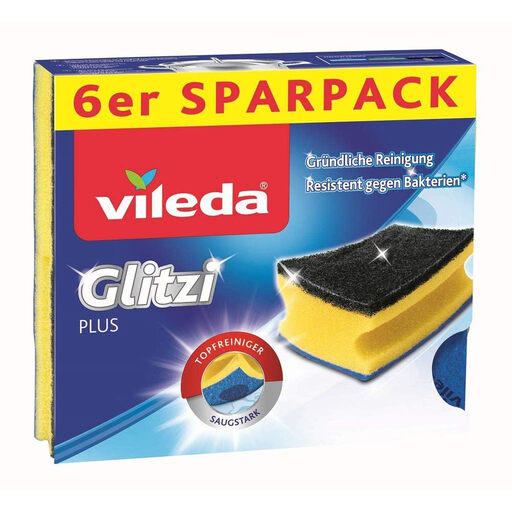
Why it's a great fit: Ideal for households with a high volume of dishes. The combination of powerful cleaning performance and durability makes it a reliable partner for daily kitchen tasks. The 6-pack value pack ensures a long-lasting supply.
Its robust construction prevents rapid wear and tear. The antibacterial effect on the scouring surface (99.9% according to the manufacturer) counteracts odour formation and addresses hygiene deficiencies.
Dual-sided cleaning system for tough and light messes; ergonomic grip ridge to protect hands and nails.
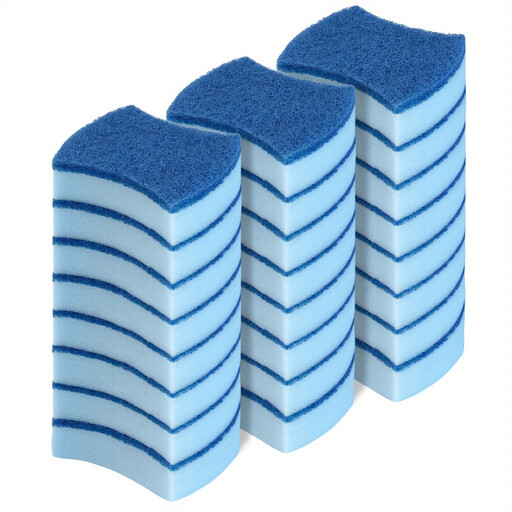
Why it's a great fit: For users with high-end, scratch-sensitive cookware like non-stick pans or glassware. The large 24-pack provides an excellent supply for conscientious users.
Avoids the pitfall of surface damage with a specially designed, non-scratch scouring layer. The soft cellulose side is also highly absorbent and gentle.
Scratch-free cleaning for delicate surfaces; high absorbency and a durable structure for daily use.
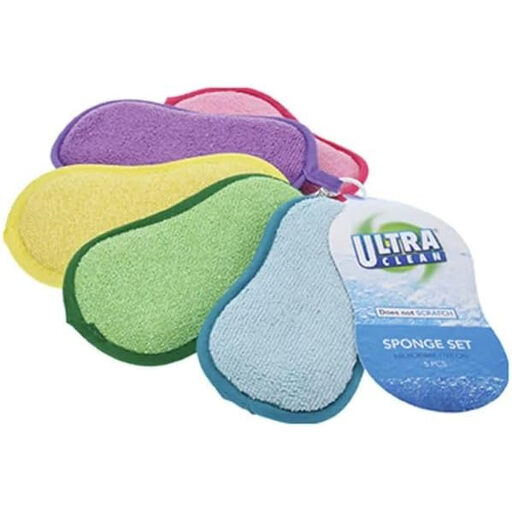
Why it's a great fit: A great choice for anyone looking for an all-rounder for various cleaning tasks around the house, not just for washing dishes. The set offers flexibility for different surfaces and levels of grime.
This set bypasses the trap of limited application. The combination of a microfibre and a nylon side makes it a versatile tool for gentle dusting, polishing, and powerful scrubbing.
Dual-functionality with microfibre and nylon sides; suitable for kitchen, bathroom, and general household cleaning.
We have compiled a complete, up-to-date list of products that fully meet these strict selection criteria and German safety regulations.
1. How often should you replace a Vileda Glitzi Plus? For optimal hygiene, it is recommended to replace a kitchen sponge every two to four weeks, depending on the frequency of use. A replacement is advisable at the latest when the sponge shows visible signs of wear or develops an unpleasant odour that does not disappear after rinsing.
2. Is the black side of the Vileda Glitzi Plus suitable for all pots? The black scouring side is designed for stubborn dirt on non-sensitive surfaces like stainless steel or cast iron. For delicate materials such as non-stick pans, copper, or polished surfaces, the blue, soft cloth side should be used to avoid scratches. When in doubt, it is advisable to test the scouring action on an inconspicuous area.
3. What exactly does the antibacterial effect on the Vileda Glitzi Plus mean? According to the manufacturer, the black scouring fibre of the Vileda Glitzi Plus contains an antibacterial agent that inhibits the growth of bacteria on the scouring surface by 99.9%. This helps to keep the sponge itself more hygienic for longer and reduces the formation of bad odours. This feature does not disinfect the surfaces that are cleaned with the sponge.