
Lieferung heute & morgen

Qualitätsgarantie

Willkommens-Angebote freischalten: KOSTENLOSE Lieferung | Bis zu 80 % RABATT | Kostenlose 30-Tage-JoyPlus-Testphase
App herunterladen
Vintage furniture and industrial design pieces add a unique character to any room. However, the search for the right piece can quickly become overwhelming. Often, an appealing look hides flaws in material quality or construction. This guide will help you avoid common pitfalls and make an informed decision, ensuring your new furniture not only looks great but is also durable and functional.
Before you invest, you should be aware of the common problems that often only become apparent after the purchase.
To avoid the problems mentioned above, check three crucial features before purchasing. These will reveal the true quality and longevity of a piece of furniture.
The choice of material is the foundation of durability. Look for precise specifications from the manufacturer:
A piece of furniture is only as good as its stability. Two elements are critical here:
Measure the intended space accurately and compare the dimensions with the product specifications. Think about how you will use the furniture.
Here are some product recommendations tailored to specific needs and use cases.
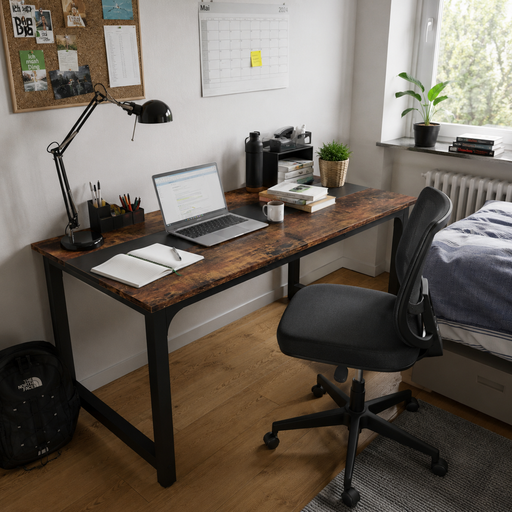
Why this product is a great fit: This person needs a large, sturdy, and no-frills desk for a productive workspace with multiple monitors and accessories, without compromising on stability.
The robust, powder-coated steel frame prevents instability (Pitfall 2). The generous 80 cm depth provides ample space for modern work equipment, bypassing the problem of impractical dimensions (Pitfall 3).
The combination of a very large work surface (160 x 80 cm) and adjustable feet for a wobble-free stand on any surface.
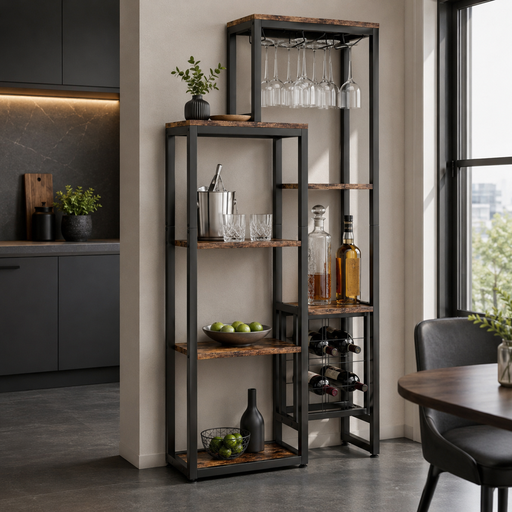
Why this product is a great fit: Ideal for wine lovers looking for a functional yet decorative solution to display wine bottles, glasses, and bar accessories in an industrial style.
The construction of high-quality MDF board and reinforced metal ensures high stability and a load capacity of up to 158 kg (according to the manufacturer), which avoids the instability pitfall (Pitfall 2).
The 3-in-1 functionality combines bottle storage, a glass holder, and additional shelving in one compact, stylish piece of furniture.
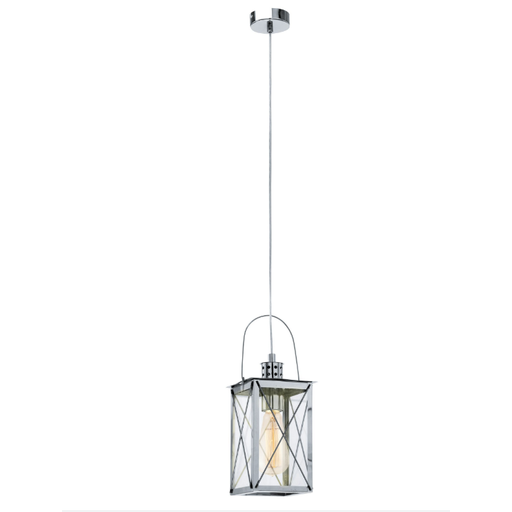
Why this product is a great fit: For anyone who wants to create a retro atmosphere with targeted accents. This light is a stylish detail that enhances a room without overwhelming it.
The light uses a standard E27 socket, making it compatible with a wide variety of modern and energy-efficient bulbs. This avoids the pitfall of limited functionality (Pitfall 3).
The combination of chrome and glass creates an authentic retro decor that integrates well into kitchens, dining rooms, or living areas.
We have compiled a complete, up-to-date list of products that meet these strict selection criteria and applicable safety regulations.
1. How do I properly care for vintage furniture made of wood and metal? For engineered wood surfaces with a melamine coating, a soft, slightly damp cloth is usually sufficient. Avoid harsh cleaning agents, as they can damage the surface. Powder-coated metal parts can be simply wiped with a dry or damp cloth. Always follow the manufacturer's specific care instructions.
2. Does industrial design furniture fit into a modern apartment? Yes, absolutely. The appeal often lies in the contrast. A single piece of industrial-style furniture, like a sideboard or a coffee table, can serve as a striking focal point in an otherwise modern or minimalist room. The combination of raw materials like wood and metal with clean, modern lines creates an exciting and individual living atmosphere.
3. What is the difference between vintage, retro, and antique? These terms are often used interchangeably but have different meanings. Antique generally refers to objects that are over 100 years old. Vintage refers to pieces from a specific later era, typically between the 1920s and 1980s. Retro, on the other hand, describes new products that deliberately imitate the style of a past era, often the '50s, '60s, or '70s. Most "vintage furniture" available today is, strictly speaking, retro-style furniture.