
Lieferung heute & morgen

Qualitätsgarantie

Willkommens-Angebote freischalten: KOSTENLOSE Lieferung | Bis zu 80 % RABATT | Kostenlose 30-Tage-JoyPlus-Testphase
App herunterladen
Vintage lace trim is ideal for all kinds of creative projects: use it as a decorative edging on clothes, a ribbon for gift wrapping, or an accent in wedding and Christmas decorations. Choosing the right one may seem straightforward at first. In practice, unclear measurements, unsuitable materials and rolls that are too short can quickly lead to disappointing purchases.
If you’re looking for lace trim for sewing or crafts, don’t focus on the pattern alone. Width, total length, how it will be attached and what you’ll use it for are all important. Even a decorative lace edging can be impractical if it’s difficult to cut neatly or secure in place.
A narrow lace trim just a few millimetres wide will look very different on gift wrapping from a 5 cm-wide lace edging on a dress or table runner. Product images don’t always make the scale clear, so check the stated width before buying and compare it with a ruler.
A short roll may be enough for individual cards or small decorations. But if you’re making several favours, decorating long table runners or working on regular sewing projects, a short length can soon add to the cost. Check whether the stated length applies to each roll or to the whole set.
Not every lace trim is right for every project. Delicate lace ribbon for gifts may be more susceptible to damage under tension than a wider trim. For clothing details, hems or items that need frequent washing, also check how the trim should be attached and whether its care instructions are suitable for the fabric.
These three details will help you work out whether this DIY craft accessory is a good fit for your project:
For sewing projects, consider whether you’ll sew the lace on, glue it in place or simply lay it on top. Lace trim for sewing, for example, can be attached to fabric by hand or with a sewing machine. For paper, card, glass or packaging, a suitable craft glue may work, depending on the surface.
Test any glue or stitching on a small offcut first. This will show you whether the material distorts, frays or shows through.
For wedding decorations or seasonal displays, appearance is often the main consideration. With clothing and table linen, you’ll also need to think about wear and care. Don’t assume lace trim is food-safe for catering or everyday contact with food. Only use it in these situations if the product description and intended use say it’s suitable.
It’s also worth checking the technical details when buying tableware to go with your decorations. A vintage plate with a textured rim can look striking, but make sure there’s enough room for food. Check the manufacturer’s guidance on using it in the microwave, fridge and dishwasher.
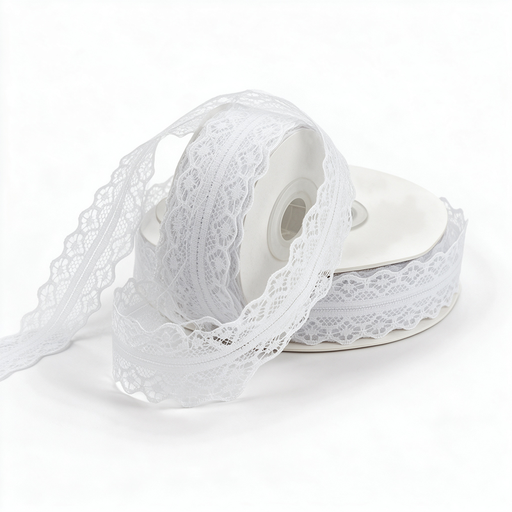
Why it suits this profile: Two narrow rolls, each 3 mm wide and 20 m long, provide plenty of material for cards, small packages, bows and delicate clothing details.
The stated roll length and number of rolls make it easier to plan how much you’ll need. The narrow width is less likely to overwhelm smaller craft projects.
Set of 2 rolls; 3 mm wide; stated total length of 40 m.
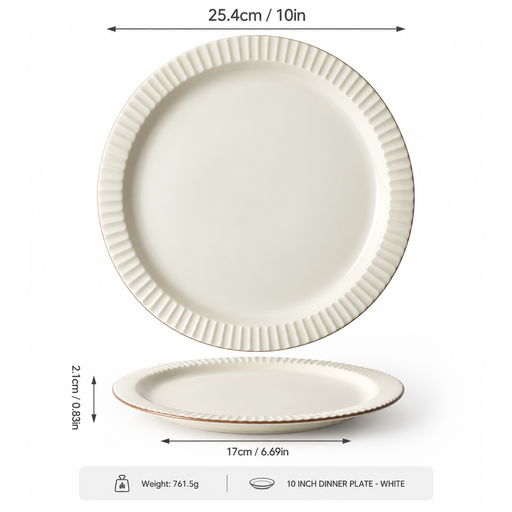
Why it suits this profile: This ceramic serving plate pairs an off-white base with a brown rim and a raised, textured edge. It works well with vintage table settings, in cafés and restaurants, or for meals at home.
The stated size of 25,4 cm gives you a clear guide when planning your table layout. The product description includes information about use in the fridge, microwave and dishwasher.
Ceramic; 25,4 cm diameter; textured rim; off-white finish with a brown border.
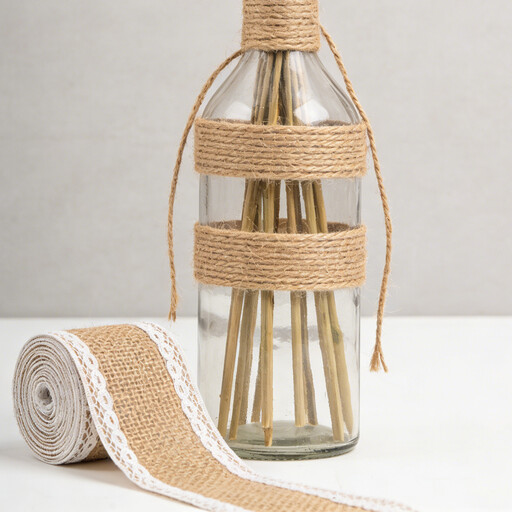
Why it suits this profile: This wider trim is designed for eye-catching gift wrapping, wedding and Christmas decorations, and textile DIY projects.
The 5 cm width is clearly stated, so you won’t mistake a narrow trim for one suited to larger decorations. Factor the approximate length of 2 m per roll into your plans before buying.
2 rolls; approximately 2 m long each; 5 cm wide; suitable for packaging, clothing and decoration projects.
We’ve put together a complete, regularly updated list of products that meet these strict selection criteria and fully comply with the safety regulations in force in the EU.
Depending on the surface, you can use double-sided tape, craft glue or a hot glue gun on paper and card. Test the bond on a sample piece first. Glue can show through or cause delicate paper to wrinkle.
Measure every edge you want to decorate and add the individual lengths together. Allow a little extra for corners, overlaps and any inaccurate cuts. If the roll length is approximate, don’t plan right down to the last centimetre.
Yes, as long as the width, material and care requirements are suitable for the garment. Pin the trim in place or tack it with a few stitches before sewing it on properly. On stretchy fabrics, don’t attach the lace more tightly than the fabric beneath it, or it may pucker.