
Lieferung heute & morgen

Qualitätsgarantie

Willkommens-Angebote freischalten: KOSTENLOSE Lieferung | Bis zu 80 % RABATT | Kostenlose 30-Tage-JoyPlus-Testphase
App herunterladen
If you’re looking to buy vitamin and mineral supplements online, you’ll find a wide range of capsules, tablets, direct granules and effervescent tablets. Product names often sound similar, but the products can differ considerably in dosage, ingredients, format and intended audience.
A sensible choice starts not with the boldest marketing claim, but with a look at the amount of each nutrient, the recommended intake and your own dietary needs.
A high nutrient content isn’t automatically right for everyone. This is particularly true of vitamin D3, iron, iodine and vitamin A. For example, a product containing 4,000 IU of vitamin D3 per tablet is very different from a supplement with a lower daily amount. If you’re considering taking high doses over a long period, or have an existing health condition, seek advice from a doctor or pharmacist.
Depending on the product, “Omega-3” can mean different amounts of EPA and DHA. The total weight of the fish or algae oil isn’t the only thing that matters: check the stated amount of each individual fatty acid. When choosing Omega-3 capsules, check the amount of EPA and DHA per daily serving.
If you already take a multivitamin and also use zinc, vitamin C and D3, calcium or iron, compare your total intake. Taking several products containing the same ingredients can result in an unnecessarily high intake. The timing of doses may also matter: iron, for example, is often taken separately from coffee, tea or calcium-rich supplements.
The label should clearly state the amounts per daily serving. NRV stands for Nutrient Reference Value, the EU reference value for the daily intake of nutrients for adults. A high percentage simply describes the amount in the product in relation to the reference value; it isn’t a personal recommendation for how much you should take.
A vitamin B12 supplement in direct form may suit people who find tablets difficult to swallow, or who follow a vegan or vegetarian diet. However, check the specific dosage against your own needs and, where appropriate, your blood test results.
Capsules suit people who prefer to take supplements with water. Direct granules and lozenges, on the other hand, are handy when you’re out and about. Effervescent tablets are dissolved in water and can be an alternative if you prefer to avoid solid tablets.
When choosing an iron supplement, take a close look at the format and recommended daily serving. According to the product information, sanotact Iron Complex Direct provides 14 mg of iron per two mini tablets, as well as copper, vitamin C, B6, B2, folic acid and B12. If you’ve been diagnosed with iron deficiency, ask a healthcare professional to help you choose a suitable product.
Not every Omega-3 product is suitable for vegans. Fish oil capsules may also contain gelatine. According to the supplier, Doppelherz Omega-3 1400 is made from concentrated marine fish oil and contains bovine gelatine. An algae oil supplement is a possible plant-based alternative.
Your circumstances should also be taken into account when choosing iodine, folic acid and iron. If you have certain thyroid conditions, you may need to discuss iodine intake with a healthcare professional. Women of childbearing age, pregnant women and breastfeeding women should not choose supplements based on marketing claims alone.
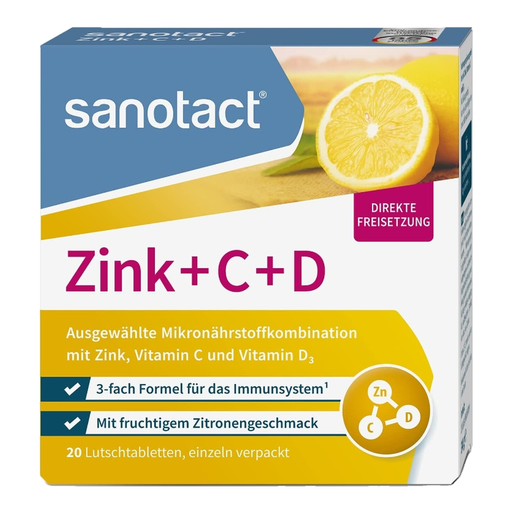
Why this product suits this profile: These lozenges combine zinc, vitamin C and vitamin D3 in a format you can take without water. According to the product information, the recommended intake is two lozenges a day.
The amounts per daily serving are clearly stated: 10 mg of zinc, 300 mg of vitamin C and 40 µg of vitamin D3. This makes it easier to check how the combination fits with any other supplements you take.
Lemon flavour, no water needed and, according to the supplier, no allergens that need to be declared.
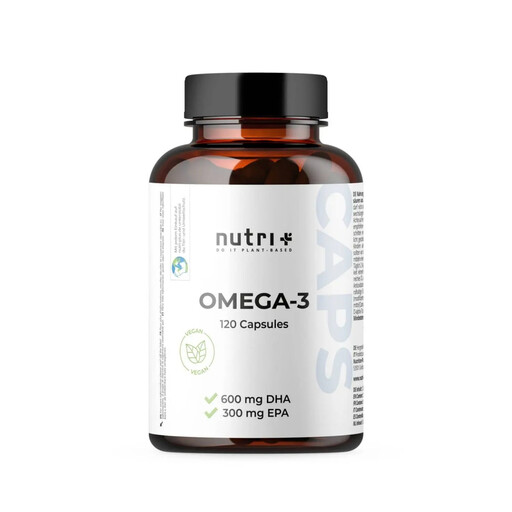
Why this product suits this profile: According to the product information, it uses algae oil from Schizochytrium sp., making it an option for people who prefer a vegan Omega-3 supplement containing EPA and DHA.
The source and the individual fatty acids are specified. According to the product information, a daily serving of two capsules provides 600 mg of DHA and 300 mg of EPA.
Plant-based oil source, 120 capsules and a clearly stated daily intake.
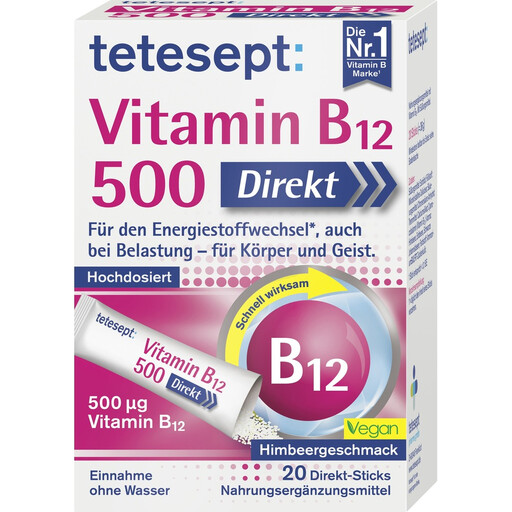
Why this product suits this profile: These direct granules may suit people who want to take vitamin B12 without water. The product information gives a daily serving of 500 µg.
The serving size and nutrient content are clearly stated. Vegans and vegetarians should also check the full ingredients list and consider whether their individual needs are being met.
Microgranules, raspberry flavour and no liquid needed.
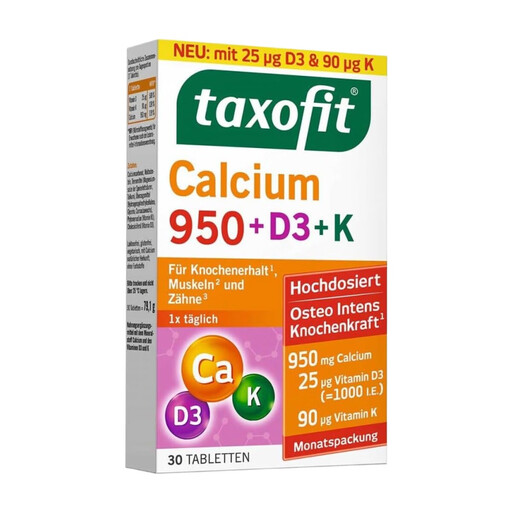
Why this product suits this profile: Combining calcium, vitamin D3 and vitamin K, this product is aimed at adults looking for these nutrients in one supplement. After the menopause in particular, it may be helpful to seek individual advice about your nutrient intake.
Calcium, vitamin D3 and vitamin K are listed separately. This makes it easier to compare the formula with any calcium or vitamin D products you already use.
According to the product information, each daily serving provides 950 mg of calcium, 5 µg of vitamin D3 and 90 µg of vitamin K.
We’ve put together a complete, regularly updated list of products that meet these strict selection criteria and fully comply with the safety regulations in force in the EU.
It depends on your individual diet. Vitamin B12 is often specifically considered as part of a vegan diet. For Omega-3, an algae oil product can provide a plant-based source of DHA and EPA. The dosage and intake should suit your personal circumstances.
Check the best-before date on the packaging or blister pack. There may be additional instructions once the product has been opened. Storing it in a cool, dry place away from light can help maintain its quality until the stated date.
The cost depends on the nutrient content, pack size, format and daily serving. For a fair comparison, look at the price per daily serving, not just the pack price. A larger pack is only better value if the ingredients and your own intake requirements are a good fit.