
Lieferung heute & morgen

Qualitätsgarantie

Willkommens-Angebote freischalten: KOSTENLOSE Lieferung | Bis zu 80 % RABATT | Kostenlose 30-Tage-JoyPlus-Testphase
App herunterladen
For many, a vitamin C cream is a cornerstone of their skincare routine, used to brighten a dull complexion, even out skin texture, and protect the skin from environmental aggressors. However, the market is crowded, and not every product delivers on its promises. Certain formulations can quickly lose their effectiveness or may be unsuitable for your specific skin type. This guide will help you identify the key features to look for and make an informed decision.
Before making a purchase, it's helpful to understand the most common issues that can lead to unsatisfactory results.
To find the right vitamin C face cream, you should pay attention to a few technical details that determine its efficacy and tolerability.
Choosing the right vitamin C derivative is crucial for stability and skin compatibility. Look for the following names on the ingredients list:
You can often identify a good vitamin C cream by its packaging. Since the active ingredient is sensitive to light and air, opaque bottles with an airless pump or airtight tubes are the ideal choice. Open jars should be avoided, as repeated exposure to air and fingers can compromise the product's stability.
A well-designed formulation maximises the benefits of vitamin C. Look for products that contain these additional valuable ingredients:
Instead of a one-size-fits-all recommendation, we have curated products for different user profiles and needs.
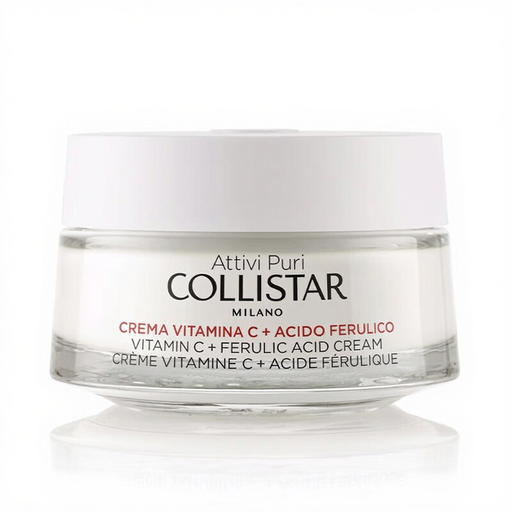
Why it's a great match: Ideal for anyone seeking a lightweight yet effective day cream. The oil-free texture absorbs quickly and, according to the manufacturer, is also suitable for sensitive skin, making it a straightforward choice for daily use.
The formula uses stable Ethyl Ascorbic Acid in combination with Ferulic Acid. This directly addresses the issues of instability and the lack of synergistic effects.
Provides a synergistic antioxidant effect to protect against oxidative stress from environmental factors and supports collagen production.
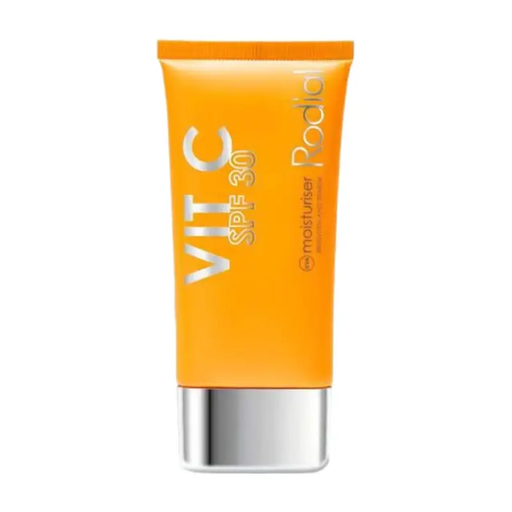
Why it's a great match: Perfect for anyone looking to streamline their morning skincare routine. This cream combines moisturisation, antioxidant protection, and broad-spectrum sun protection in a single step.
As a Vitamin C cream with SPF, it ensures the skin is immediately protected from UV radiation—a critical point, as some active ingredients can make the skin more sensitive to the sun.
The 2-in-1 formulation as a day cream with Vitamin C and SPF 30 simplifies application and provides fundamental protection against photoaging and free radicals.
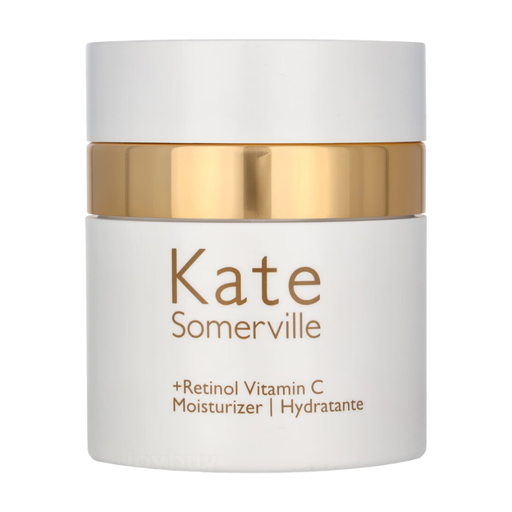
Why it's a great match: This night cream is aimed at users who want to specifically target improvements in skin texture, fine lines, and uneven skin tone. It leverages the skin's overnight regeneration phase.
The cream combines two powerhouse ingredients, Retinol and Vitamin C, thus avoiding the pitfall of a one-dimensional formulation. Its use as a night cream also minimises the risk of photosensitivity.
The combination of Retinol and Vitamin C in an anti-ageing cream can support skin firmness and address the appearance of wrinkles and dark spots.
We have compiled a complete, up-to-date list of products that fully meet these strict selection criteria and all applicable safety regulations.
How can I tell if my vitamin C cream has oxidised? A clear sign of oxidation is a change in the product's colour. A fresh, stable vitamin C formulation is typically colourless or has a very light, straw-like yellow hue. If the cream turns a distinct yellow, orange, or even brown, the oxidation process has begun, and its effectiveness is significantly reduced.
Can I use a vitamin C cream every day? Yes, most vitamin C creams are designed for daily use. Applying it in the morning is particularly beneficial, as its antioxidant properties help protect the skin from environmental damage throughout the day. For sensitive skin or highly concentrated products, it may be advisable to start with an application every other day. Regardless, daily use of a broad-spectrum sunscreen is essential.
Do I need to apply an additional sunscreen on top of a vitamin C cream with SPF? That depends on the amount you apply and the intensity of sun exposure. To achieve the sun protection factor (SPF) stated on the packaging, you must apply a generous amount of the product (about half a teaspoon for the face). Many people use a smaller amount of their day cream. In this case, or for extended periods outdoors, it is strongly recommended to use an additional, dedicated sunscreen with a high SPF.