
Lieferung heute & morgen

Qualitätsgarantie

Willkommens-Angebote freischalten: KOSTENLOSE Lieferung | Bis zu 80 % RABATT | Kostenlose 30-Tage-JoyPlus-Testphase
App herunterladen
A vitamin C serum can be a useful addition to your daily skincare routine if your skin looks dull or your skin tone appears uneven. However, choosing one is more complicated than product names such as ‘Glow’, ‘Brightening’ or ‘Anti-Aging’ might suggest. What matters is the specific form of vitamin C, its concentration, the rest of the formula and how you use it.
If you focus only on finding the highest percentage, you could end up buying a product that irritates your skin or quickly loses its quality because it has been stored incorrectly. A vitamin C serum for dark spots is not a substitute for sun protection, either, and it is not a medical product for treating skin changes.
‘20% vitamin C’ might seem more straightforward than ‘vitamin C derivative’. In practice, though, these claims can refer to different ingredients. Pure ascorbic acid, also known as L-ascorbic acid, is formulated differently from ingredients such as 3-O-Ethyl Ascorbic Acid, Ascorbyl Glucoside or Ascorbyl Tetraisopalmitate.
So, you shouldn’t choose a facial serum with vitamin C based on its percentage alone. Check whether the manufacturer names the specific form of vitamin C and its concentration. For some products, the percentage claim refers to a plant extract containing vitamin C, rather than pure ascorbic acid.
Pure ascorbic acid in higher concentrations can cause temporary stinging or redness, particularly on sensitive skin or skin that is not used to active ingredients. Fragrance, alcohol, essential oils, fruit acids and plant extracts may also be worth considering, depending on your skin.
A vitamin C serum for sensitive skin should have a clear, relatively simple formula. It’s a good idea to patch test on a small area of skin before applying it more widely for the first time. Stop using the product if irritation persists.
Pure ascorbic acid is sensitive to light and air. A yellowish colour can indicate oxidation, although the exact assessment depends on the formula and the manufacturer’s guidance. Close the bottle after each use and store it somewhere cool, away from direct sunlight. Always check the best-before date or the stated shelf life after opening.
Three details are particularly important when comparing products:
A brightening serum with niacinamide, hydrators or soothing ingredients may be more practical for everyday use than a highly concentrated formula focused on a single active ingredient. So, when choosing a serum for a more even-looking skin tone, it’s worth checking the full INCI list.
Glycerin, hyaluronic acid, panthenol or allantoin can help create a comfortable feel on the skin. Fragrance, alcohol and additional acids are not necessarily unsuitable, but if you have sensitive skin, consider them carefully.
If you’re looking for an anti-ageing serum, it’s also important to distinguish between cosmetic skincare claims and medical claims. A serum may affect the appearance of fine lines caused by dryness or uneven-looking skin, but that does not guarantee an effect on wrinkles or pigmentation disorders.
Apply a vitamin C product after cleansing and, if you use one, after toner. Two to four drops are usually enough, depending on the product. If you have sensitive skin, start by using it a few times a week and increase frequency only if your skin tolerates it well.
In the morning, follow with a suitable sunscreen. This is particularly important if the product also contains glycolic acid or salicylic acid. Vitamin C does not protect against sunburn or replace UV protection.
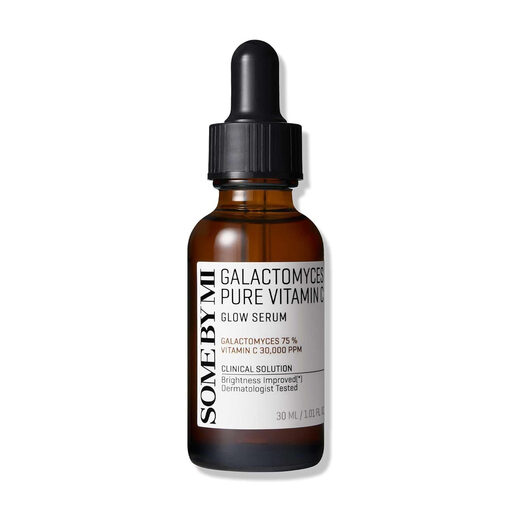
Why this product suits this profile: According to the product details, the formula combines 3% ascorbic acid with 75% Galactomyces ferment filtrate, plus niacinamide and hydrating ingredients.
The stated concentration makes it easier to compare. As it contains pure ascorbic acid, storage and patch testing are particularly important.
Lightweight texture, 30 ml size and several complementary skincare ingredients.
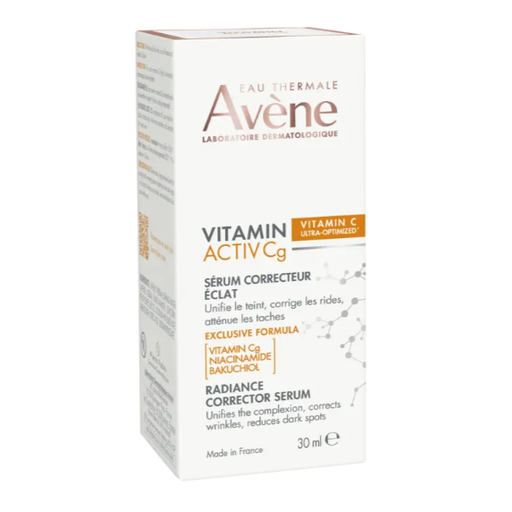
Why this product suits this profile: The product details list 1.8% Vitamin Cg, 3% niacinamide and 1.5% bakuchiol, and state that it is suitable for sensitive skin.
The formula uses a derivative rather than a very high concentration of pure ascorbic acid.
Several active ingredients are clearly listed, and the product description specifies glass pipette packaging.
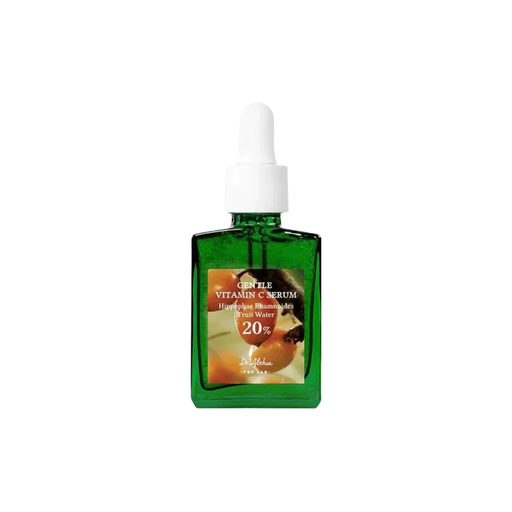
Why this product suits this profile: According to the INCI list, the serum uses 3-O-Ethyl Ascorbic Acid, niacinamide and allantoin in a lightweight oil-capsule formula.
The form of vitamin C used is not presented as a high-percentage pure ascorbic acid formula; a patch test is still a good idea.
Hydrating ingredients, with the product directions recommending two to three drops per application.
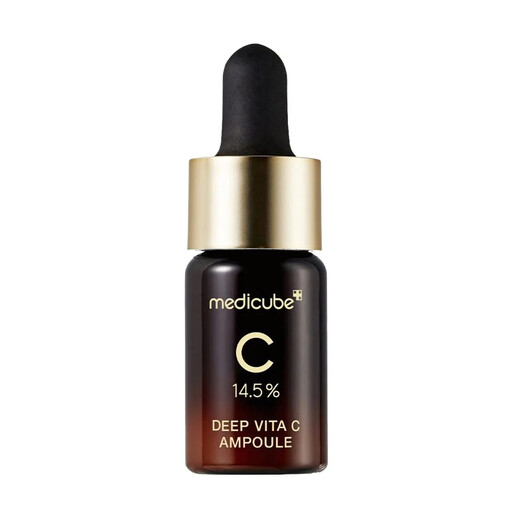
Why this product suits this profile: According to the product details, this vitamin C ampoule contains 14.5% pure ascorbic acid, alongside panthenol and hyaluronic acid, and comes in protective packaging designed to help keep it stable.
The concentration is clearly stated. As it contains pure ascorbic acid, check storage conditions, shelf life and how well your skin tolerates it.
Stated ascorbic acid content, 30 g size and additional skincare ingredients.
We’ve put together a complete, regularly updated list of products that meet these strict selection criteria and fully comply with the safety regulations in force in the EU.
It depends on the formula and how well your skin tolerates it. A gentle derivative can often be used daily, while it may be best to start with pure ascorbic acid every second or third evening. Follow the specific manufacturer’s instructions and avoid combining several potent active products at first.
Shelf life varies depending on the formula and packaging. Check the PAO symbol, the best-before date and the manufacturer’s guidance. With pure ascorbic acid, take particular care to store it somewhere cool and dark, and keep the lid tightly closed.
Yes, you can include a vitamin C serum in your morning routine. Apply a sunscreen with a suitable sun protection factor afterwards. The serum does not replace sunscreen, though. If you’re also using acids such as glycolic acid, careful UV protection is particularly important.