
Lieferung heute & morgen

Qualitätsgarantie

Willkommens-Angebote freischalten: KOSTENLOSE Lieferung | Bis zu 80 % RABATT | Kostenlose 30-Tage-JoyPlus-Testphase
App herunterladen
A Vitamin C serum is a staple in many skincare routines, renowned for its ability to give skin a radiant glow and protect it from environmental stressors. However, the market is flooded with products that all make big promises. Choosing the right serum can quickly become overwhelming, and opaque marketing claims often lead to disappointing purchases.
As your Joybuy Product Recommendation Officer, I'm here to help you understand the crucial criteria. This guide will show you what to look for to find an effective facial serum with Vitamin C that suits your skin's needs and how to avoid common pitfalls.
Before we dive into the key parameters, let's highlight the most common reasons for disappointing results. Many products don't deliver on their promises, often due to flaws that are difficult for a layperson to spot.
To find a suitable anti-aging serum or brightening serum, you should focus on three technical aspects. These determine the product's efficacy, stability, and tolerability.
Choosing the right form of Vitamin C is crucial. Each has specific advantages and disadvantages.
The concentration should match your skin type and the chosen form of Vitamin C. For L-Ascorbic Acid, 10–20% is considered an effective range. For derivatives, even lower concentrations can be effective.
Also, look for supporting ingredients. A good antioxidant serum often combines Vitamin C with:
An effective formulation deserves protective packaging. Look for the following features:
Instead of making a one-size-fits-all recommendation, we have selected products tailored to specific user profiles and their needs.
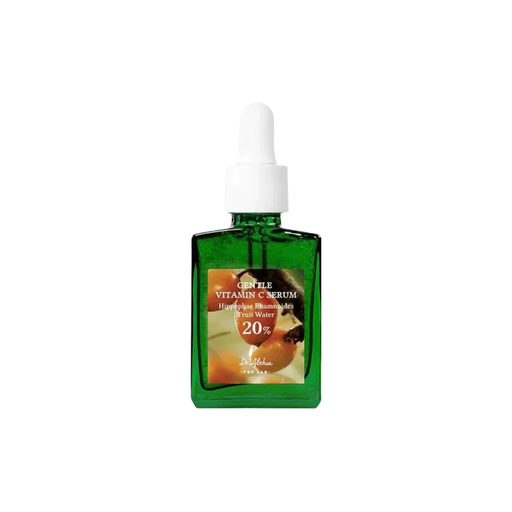
Why this product is a match: Ideal for those new to Vitamin C or with reactive skin. It offers a gentle introduction without overwhelming the skin barrier, providing an initial improvement in skin texture and a radiant skin.
This serum uses a gentle, natural source of Vitamin C (Sea Buckthorn Extract) and a hydrating formula. This avoids the pitfall of irritation caused by high-concentration pure ascorbic acid.
Combines a brightening effect with intense hydration via an oil-capsule system, making it suitable for daily use without drying out the skin.
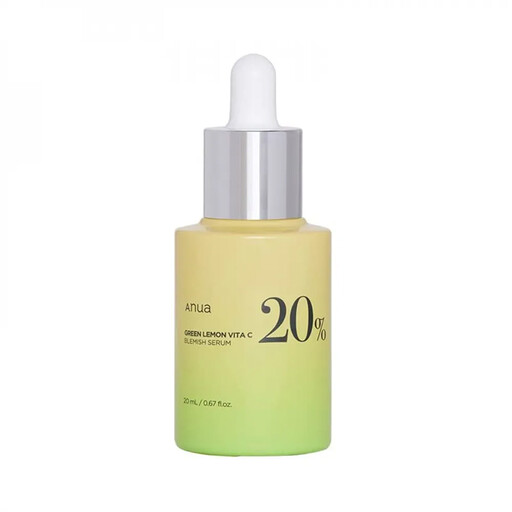
Why this product is a match: For experienced users seeking a high-performance formula to visibly reduce stubborn dark spots and achieve a more even skin tone. A classic serum for dark spots.
Although the concentration is high, it is stabilised with ferulic acid, addressing the pitfall of instability in potent serums. The product description also correctly advises a patch test and the use of sunscreen.
A high concentration of 20% Vitamin C combined with ferulic acid provides powerful antioxidant protection and specifically targets hyperpigmentation.
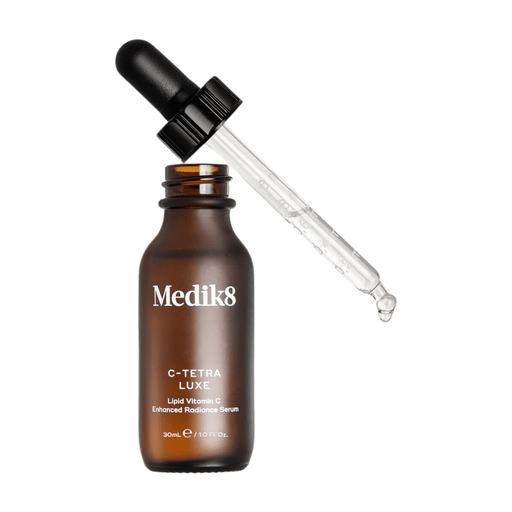
Why this product is a match: Tailored for users looking to reduce fine lines and wrinkles while improving firmness and radiance. The nourishing, lipid-based formula is ideal for mature skin, which is often drier.
Uses a highly stable Vitamin C derivative (Tetrahexyldecyl Ascorbate), thus bypassing the oxidation issues of pure L-Ascorbic Acid. The rich base also prevents the potentially drying effect of some Vitamin C products.
Combines a potent, stable Vitamin C derivative with nourishing oils (Squalane, Maracuja Oil) and Red Ginseng to offer both antioxidant benefits and deep nourishment, supporting collagen production.
We have compiled a complete, up-to-date list of products that fully meet these strict selection criteria and safety regulations.
When should I apply a Vitamin C serum, in the morning or at night? Application is primarily recommended in the morning. As an antioxidant, Vitamin C protects the skin during the day from free radicals caused by UV radiation and pollution. It's crucial to always finish your routine with a broad-spectrum sunscreen (SPF 30 or higher), as Vitamin C can make the skin more sensitive to light.
My Vitamin C serum has turned yellow/brown. Can I still use it? A colour change to yellowish or brownish is a clear sign of oxidation. The Vitamin C has degraded and is no longer effective. In the worst-case scenario, it can cause skin irritation. It is recommended to discard the product. Always store your serum in a cool, dark place and keep it tightly sealed to maximise its shelf life.
Can I combine Vitamin C serum with other active ingredients like niacinamide or retinol? The combination depends on the formulation. Traditionally, it was advised not to use pure L-Ascorbic Acid and niacinamide immediately after one another. A safe method is to apply them at different times: Vitamin C in the morning and niacinamide or retinol in the evening. Always follow the manufacturer's instructions, as modern formulations are often designed to be compatible with each other.