
Lieferung heute & morgen

Qualitätsgarantie

Willkommens-Angebote freischalten: KOSTENLOSE Lieferung | Bis zu 80 % RABATT | Kostenlose 30-Tage-JoyPlus-Testphase
App herunterladen
A vitamin C serum can be a useful addition to your daily vitamin C skincare routine if dull skin, an uneven skin tone or visible pigmentation is your main concern. However, the choice can be overwhelming: packaging often features terms such as “Glow”, “Brightening” or “Anti-Aging”, while important information about the form and concentration of vitamin C, as well as how to use it, is often less prominent.
If you want to buy a vitamin C facial serum, you should therefore look beyond a high percentage figure. What matters is whether the formulation suits your skin type, personal routine and intended use.
A serum containing pure vitamin C with 20 or 24 per cent ascorbic acid may appear particularly potent on paper. At the same time, pure ascorbic acid can be more likely to cause tingling, redness or a feeling of tightness on sensitive skin or skin that is not yet used to active skincare. For beginners, a vitamin C derivative or a lower concentration may be the easier option.
Ascorbic Acid refers to pure vitamin C. Derivatives include Ascorbyl Glucoside, 3-O-Ethyl Ascorbic Acid and Ascorbyl Tetraisopalmitate, for example. These substances differ in terms of solubility, formulation stability and skin feel. An illuminating facial serum should therefore always be assessed by looking at the complete INCI list.
Vitamin C products are not sunscreens. If you use a serum for pigmentation or a serum for glowing skin in the morning, you should apply a suitable sun protection product afterwards. This is particularly important if your skin reacts sensitively to other active ingredients such as acids or retinoids.
First, check whether Ascorbic Acid or a derivative is included. The Ordinary Vitamin C Suspension 23% + HA Spheres 2%, for example, combines a high concentration of pure ascorbic acid with hyaluronic acid. According to the product information, it is used in the evening; a slight tingling sensation may occur.
A moderate alternative is a serum containing several vitamin C derivatives. The Arencia Vitamin C Booster Shot lists 3-O-Ethyl Ascorbic Acid, Ascorbyl Glucoside and Sodium Ascorbyl Phosphate, among others. This information is useful for shoppers who place greater importance on stability and usually easier integration into their routine than on the highest possible percentage of pure ascorbic acid.
Pure vitamin C is sensitive to light, heat and air. With a serum containing ascorbic acid, the bottle should be closed promptly after each use and stored according to the packaging instructions. A noticeable change in colour may indicate oxidation. The best-before date, batch number and manufacturer’s instructions remain the key points of reference.
A vitamin C serum with an oil base, such as The Ordinary Ascorbyl Tetraisopalmitate Solution 20%, contains a fat-soluble derivative. It may feel different from a water-based serum. The texture should work well with your other skincare products, so that your routine does not become unnecessarily heavy or sticky.
For dry skin, Glycerin, Panthenol, Sodium Hyaluronate and oils may be worth considering. Niacinamide can complement a routine for an uneven skin tone, but should be introduced gradually if you have sensitive skin. If you already use a niacinamide serum, hyaluronic acid serum or exfoliating products, initially spread their use across different routines or times of day.
Fragrances such as Parfum, Limonene and Linalool also deserve attention if you have sensitive skin. A patch test on a small area of skin may be advisable before applying the product more widely. If irritation persists, discontinue use and seek medical advice if necessary.
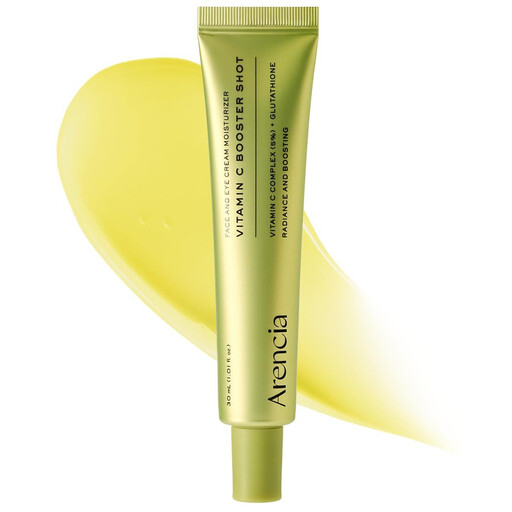
Why this product suits this profile: The gel-cream texture can be easily incorporated into a simple skincare routine in the morning and evening. The product information lists several vitamin C derivatives as well as niacinamide, panthenol and allantoin.
The selection focuses not just on a high percentage, but on several stabilised forms of vitamin C and a short, easy-to-follow application routine.
Several derivatives, niacinamide, vitamin E, panthenol and allantoin; lightweight gel-cream texture according to the product description.
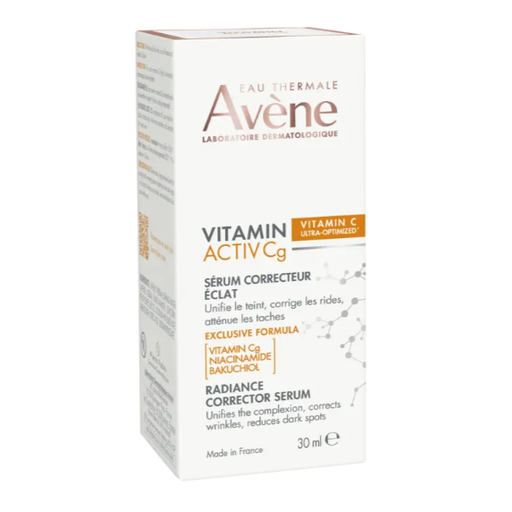
Why this product suits this profile: The stated combination of 1.8 per cent Vitamin Cg, 3 per cent niacinamide and 1.5 per cent bakuchiol appeals to users who want to address several skincare goals with one serum.
The concentrations of the three named active ingredients are clearly stated. This makes it easier to assess how the formula fits with your existing skincare routine.
A vitamin C derivative, niacinamide and bakuchiol in one formulation; tested on sensitive skin and supplied in a glass pipette bottle according to the product information.
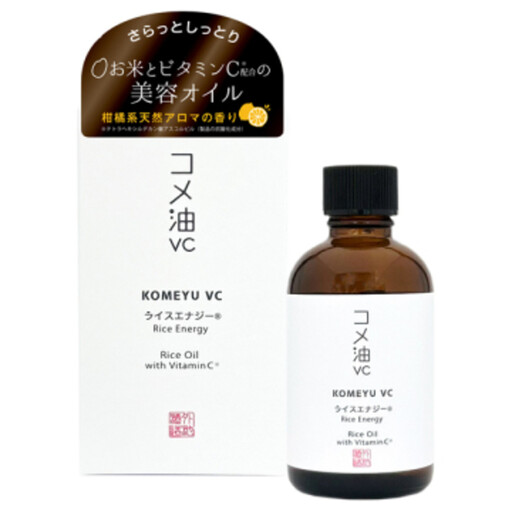
Why this product suits this profile: The 60 ml oil can be used on the face, body and hair, or mixed drop by drop with toner and emulsion.
The product type is clear: this is an oil containing Ascorbyl Tetrahexyldecanoate, not a classic water-based facial serum.
60 ml content, a vitamin C derivative in an oil-based formula and versatile use for skin and hair according to the product description.
We have put together a complete, regularly updated list of products that fully meet these strict selection criteria and the safety regulations applicable in the EU.
For most routines, a small amount applied after cleansing and before moisturising is sufficient. When introducing a new vitamin C skincare product, the following approach is recommended:
Products such as the Some By Mi Galactomyces Pure Vitamin C Glow Serum contain 3 per cent Ascorbic Acid, Galactomyces ferment filtrate, niacinamide and Sodium Hyaluronate according to the INCI list. The Ordinary Ascorbyl Glucoside Solution 12%, on the other hand, uses a vitamin C derivative and a lightweight, water-based texture. For dry skin, following with a moisturising product containing glycerin or hyaluronic acid may be beneficial.
This depends on the form of the active ingredient and how well your skin tolerates it. Beginners should start with a few applications per week. With a product containing a high concentration of pure ascorbic acid, the manufacturer’s usage instructions are particularly important.
The expiry date printed on the packaging and the PAO symbol are the key points to check. Once opened, products should be stored tightly closed, somewhere cool and protected from direct light. A noticeable change in colour or smell should prompt you to review whether the product is still suitable for use.
Hyaluronic acid can often be combined with vitamin C without difficulty. With niacinamide, compatibility depends on the overall formulation. If you are unsure, initially use the products at different times of day and monitor your skin’s reaction. The specific instructions for the product in question always take priority.