
Lieferung heute & morgen

Qualitätsgarantie

Willkommens-Angebote freischalten: KOSTENLOSE Lieferung | Bis zu 80 % RABATT | Kostenlose 30-Tage-JoyPlus-Testphase
App herunterladen
A vitamin C serum can be a useful addition to your facial skincare routine if your skin tone looks uneven or your complexion appears dull. However, choosing the right one is not always straightforward. Percentage figures, different forms of vitamin C and additional active ingredients can make direct comparisons difficult. If you focus only on terms such as “glow”, “brightening” or “highly concentrated”, you may end up buying a product that is not suited to your skin or daily routine.
The market includes formulations containing pure ascorbic acid, stabilised derivatives and plant extracts containing vitamin C. These details cannot be compared directly. A serum containing 20% of a derivative is formulated differently from a product containing 20% pure ascorbic acid.
For beginners or sensitive skin, a gentler form of vitamin C may be more suitable. Those who already have experience with active ingredients may be looking for a concentrated vitamin C facial serum containing pure ascorbic acid.
A vitamin C serum for pigmentation, a serum for dark spots or a serum for hyperpigmentation should not be chosen based solely on its marketing claims. Check whether vitamin C is actually listed among the ingredients and which form is used. Supporting ingredients such as niacinamide, panthenol, hyaluronic acid or ferulic acid may also be relevant to the formulation.
Fragrance, essential oils, alcohol and exfoliating acids are also important purchasing considerations. They can affect how well a product is tolerated by sensitive or already irritated skin.
Depending on the formulation, vitamin C can be sensitive to light, heat and oxygen. Dark or well-sealed packaging is therefore practical. If the colour changes significantly or the product develops an unusual smell, stop using it as a precaution and check the information on the packaging. The stated best-before date, batch number and manufacturer’s instructions should always take precedence.
Pure ascorbic acid is often used in intensive formulations. Products containing 23% or 24% pure ascorbic acid are generally aimed at people who are already familiar with active skincare. Some products may cause a slight tingling sensation, according to the product information; if you experience burning, redness or persistent irritation, stop using the product.
Vitamin C derivatives such as 3-O-Ethyl Ascorbic Acid, Ascorbyl Glucoside, Sodium Ascorbyl Phosphate or Tetrahexyldecyl Ascorbate are often used in formulations designed with stability in mind. The percentage is only meaningfully comparable within the same form of the active ingredient.
Combinations of vitamin C and niacinamide are often marketed for a more even skin tone. Hydrating ingredients such as glycerin, panthenol, squalane or Sodium Hyaluronate can complement the skin feel. Ferulic acid and vitamin E are also found in formulations focused on antioxidant care.
However, an antioxidant serum is not a substitute for sunscreen. When using it in the morning, your routine should include a suitable broad-spectrum sunscreen, particularly if you are also using acids or other active ingredients.
If you have sensitive skin, a patch test on a small area is recommended. Start by using the product just a few times a week and monitor how your skin reacts. A vitamin C serum for sensitive skin should contain as few potentially irritating additional ingredients as possible. Hydrating supporting ingredients can be helpful for dry skin, while those with oily skin often prefer a lightweight, non-greasy texture.
Apply the serum after cleansing to dry or lightly prepared skin, then follow with a moisturiser. The exact amount to use should be based on the product instructions.
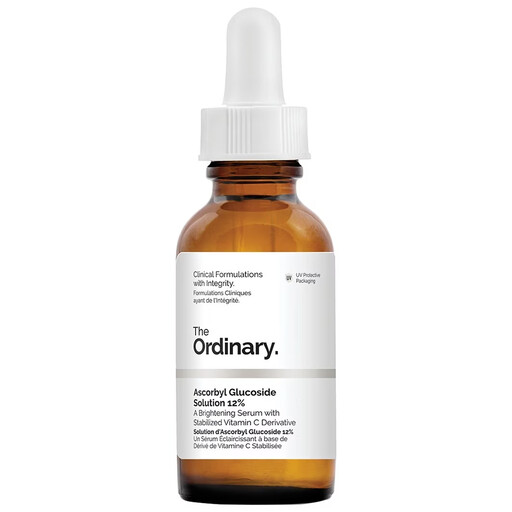
Why this product suits this profile: The formula uses Ascorbyl Glucoside, making it suitable for anyone looking for a vitamin C serum with a clearly stated derivative and an uncomplicated application.
The stated form of the active ingredient prevents a general “vitamin C” claim from being confused with pure ascorbic acid.
12% Ascorbyl Glucoside according to the product name; short INCI list with no stated fragrance.
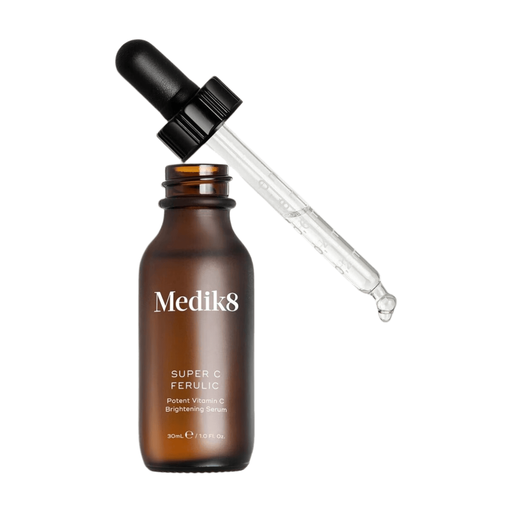
Why this product suits this profile: The combination of 3-O-Ethyl Ascorbic Acid, ferulic acid and vitamin E is aimed at shoppers who prefer a concentrated antioxidant serum for the face, neck and décolleté.
The product information states the form of vitamin C and the 30% concentration. At the same time, it expressly advises against use on sensitive skin.
30ml contents; no alcohol, artificial colourants or artificial fragrances according to the product description.
We have put together a complete, regularly updated list of products that fully meet these strict selection criteria and the safety regulations applicable in the EU.
Start with a small amount and avoid the eye area. With pure ascorbic acid, applying it in the evening can be useful while your skin is becoming accustomed to the formula. An illuminating facial serum should not be introduced at the same time as several strong exfoliants or retinoid products. Leave some time between introducing new active products so that any skin reactions can be identified more easily.
When using the product in the morning, it is important to follow with sunscreen offering an adequate sun protection factor. This is particularly relevant for products containing glycolic acid, such as the Mixa Anti-Discoloration Facial Serum, or for highly concentrated vitamin C formulations.
This depends on the form and concentration of vitamin C, as well as your individual tolerance. Beginners can start by using it two or three times a week. If your skin tolerates it well, you can use it more frequently in accordance with the product instructions.
The printed best-before date and the PAO symbol are decisive, for example “12M” means twelve months after opening. With sensitive formulations, you should also watch for changes in colour, smell or consistency and store the product away from light.
Many products already combine both ingredients, including various K-Beauty formulations. When using separate serums, start with only a few products and monitor your skin’s reaction. If redness, itching or burning occurs, stop using the products.