
Lieferung heute & morgen

Qualitätsgarantie

Willkommens-Angebote freischalten: KOSTENLOSE Lieferung | Bis zu 80 % RABATT | Kostenlose 30-Tage-JoyPlus-Testphase
App herunterladen
A vitamin C serum can be a useful addition to your daily skincare routine if your skin tone looks uneven, your complexion appears dull or you want dark spots to be less noticeable. However, there is a huge range to choose from: pure vitamin C, stable vitamin C derivatives, niacinamide, hyaluronic acid and other active ingredients are often combined.
The percentage on the packaging is not the only thing that matters. When choosing, consider the specific form of the active ingredient, how well your skin tolerates it, how it should be used and the overall formulation of the vitamin C face serum.
A serum containing 20 or 24 per cent vitamin C may sound impressive at first. However, the percentage is only meaningful when considered alongside the form used. Ascorbic acid, for example, is a different substance from a derivative such as Ascorbyl Glucoside, 3-O-Ethyl Ascorbic Acid or Ascorbyl Tetraisopalmitate.
A high concentration may not be suitable for sensitive skin. If you have not used many active skincare products before, a lower-dose product or one based on derivatives may offer a more predictable starting point.
A serum for pigmentation or a serum for dark spots is a cosmetic skincare product. Claims such as ‘reduces’, ‘brightens’ or ‘more even-looking skin tone’ generally describe the expected appearance, not the treatment of a skin condition.
Any new, changing or unclear skin changes should be assessed by a dermatologist. A serum is not a substitute for medical advice.
Vitamin C formulations can be sensitive to light, heat and air. An unsuitable place in the bathroom, directly beside a window or next to a radiator is therefore impractical. Look out for:
Different forms of vitamin C may be suitable for an antioxidant serum. Pure ascorbic acid is often offered in higher concentrations. In many formulations, derivatives are designed to provide easier application and a more stable formula.
Additional active ingredients can complement your skincare routine:
The complete INCI list on the product is the deciding factor. Online information can change and should be checked against the packaging.
A brightening face serum is not automatically suitable for every skin type. Fragrances such as parfum, limonene or linalool can cause unwanted reactions in sensitive individuals. Acids, high concentrations of niacinamide and pure ascorbic acid can also create an unfamiliar sensation on the skin.
Before applying the product over a larger area for the first time, it is advisable to carry out a patch test on a small area of skin. If redness, burning, itching or swelling occurs, stop using the product.
A serum is usually applied after cleansing and, if required, after toner. Follow with moisturiser and, during the day, sun protection with a suitable SPF. This is particularly helpful if your skincare routine is designed to promote a more even-looking skin tone.
If you use several active products, do not introduce everything at once. Starting a new niacinamide serum, an acid product and a vitamin C product at the same time makes it harder to assess how well your skin tolerates them.
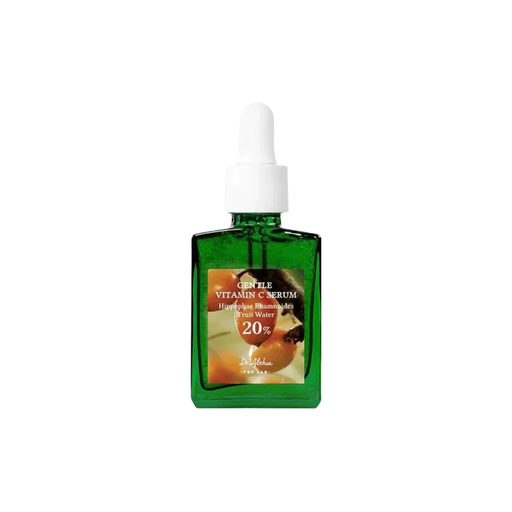
Why this product suits the profile: The formula contains 20% sea buckthorn fruit water, niacinamide and 3-O-Ethyl Ascorbic Acid. This makes it a straightforward option for anyone looking to start using vitamin C and who prefers a light, hydrating texture.
The product description does not rely solely on a high concentration of pure ascorbic acid and highlights storage away from direct sunlight.
2–3 drops per application; with niacinamide, allantoin and a vitamin C derivative according to the stated INCI list.
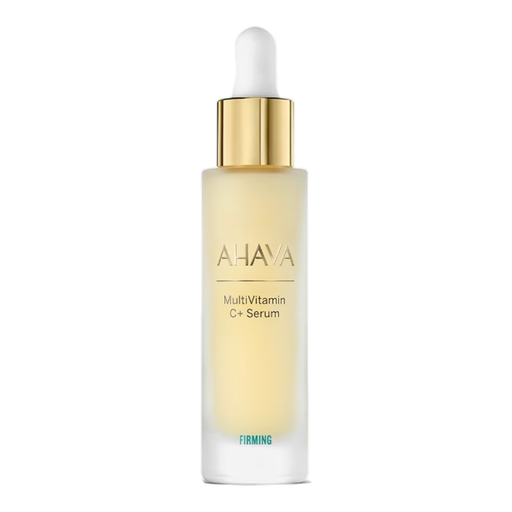
Why this product suits the profile: According to the product information, this face serum combines two forms or derivatives of vitamin C with niacinamide, panthenol, vitamin E and the Osmoter mineral complex.
The formula names several specific forms of vitamin C rather than relying solely on a vague ‘glow’ promise. Fragrances are listed in the INCI list and should be taken into consideration before buying.
30 ml contents; apply 2–3 drops in the morning and evening according to the product information.
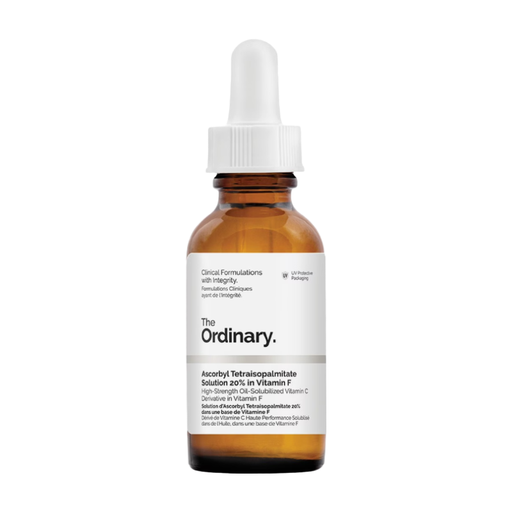
Why this product suits the profile: This oil-based formula with 20% Tetrahexyldecyl Ascorbate, jojoba oil and squalane is an interesting option for anyone who prefers a vitamin C serum with a richer feel on the skin.
The product type and vitamin C derivative are clearly named. If you are expecting a water-based texture, you can see before buying that this is an oil solution.
No added fragrance according to the product description; with squalane and jojoba oil.
We have put together a complete, regularly updated list of products that fully meet these strict selection criteria and the safety regulations applicable in the EU.
After cleansing, apply a few drops to your face and neck. Follow with moisturiser and, during the day, sun protection. The exact dosage and application method may vary depending on the product. You should therefore follow the manufacturer’s instructions on the packaging and product page.
The specific expiry date is stated on the packaging. Once opened, the PAO symbol is also relevant. Storing the formulation in a cool place away from light can help preserve it in line with the manufacturer’s instructions. A noticeable change in smell, colour or consistency is a reason to stop using the product.
Many products already combine both active ingredients in a single formula. When using separate products, whether they can be combined depends on the concentration, your skin type and the rest of your routine. If you have sensitive skin, introduce new products one at a time and test them on a small area first. If reactions persist, seeking advice from a dermatologist is recommended.