
Lieferung heute & morgen

Qualitätsgarantie

Willkommens-Angebote freischalten: KOSTENLOSE Lieferung | Bis zu 80 % RABATT | Kostenlose 30-Tage-JoyPlus-Testphase
App herunterladen
A vitamin C serum can be a worthwhile addition when your complexion looks dull or uneven. When it comes to pigmentation, dark spots or visible acne scars, however, it’s not just about a high percentage. The form of vitamin C, accompanying ingredients, packaging and skin tolerance all determine whether a product fits into your daily routine.
As a Joybuy Product Recommendation Officer, I therefore focus on filtering out the details that actually matter when you’re buying. Cosmetic products can influence the appearance of your skin, but they don’t replace a dermatological consultation for new or changing skin concerns.
On the market, you’ll find products with pure ascorbic acid as well as formulations with vitamin C derivatives. 23% ascorbic acid and 20% tetrahexyldecyl ascorbate can’t be directly compared, because they are different forms of the active ingredient. Likewise, a product with yuja or sea buckthorn extract isn’t automatically comparable to a serum that lists its vitamin C content separately.
A serum can be described as gentle yet still contain fragrances, essential oils, alcohol or several active ingredients. For sensitive skin, parfum, limonene, linalool, citrus oils and alcohol denat. are relevant points to check. A patch test on a small area of skin is advisable before first use.
Sunlight can worsen the visible unevenness of your skin tone. A vitamin C serum for pigmentation is therefore not a substitute for a separate sunscreen. In the morning, after your skincare, you should apply a broad-spectrum sunscreen with at least SPF 30. Some products, such as the GOODAL Green Tangerine Vita C Sun Serum, combine skincare and UV filters; however, the usage instructions and the necessary amount of sunscreen still remain crucial.
For a face serum with vitamin C, three groups are particularly common:
If you’re looking for a serum for hyperpigmentation or a serum for acne scars, you should therefore check the full INCI list, not just the front of the product.
Glycerin, panthenol, sodium hyaluronate and squalane can make a formulation feel hydrating or smooth. Niacinamide is also found in several products and is often used in serums for dull or uneven-looking skin. However, that doesn’t mean every combination is suitable for every skin type.
Glycolic or salicylic acid increase the number of active ingredients. If you’re already using exfoliants, retinoids or other intensive products, you should introduce new active ingredients slowly rather than starting several products at once.
Pure ascorbic acid is sensitive to light, air and heat. A light-protected, well-sealed package is therefore practical. Colour changes can indicate oxidation; if there is a noticeable change in colour, smell or consistency, the product should no longer be used.
The information on the product packaging takes priority, because formulations or batches can change. A 30 ml serum can last several weeks or months with daily use, depending on the dosage. For cost assessment, therefore, it’s not just the bottle price that counts, but also the fill volume and the recommended number of drops or pumps.
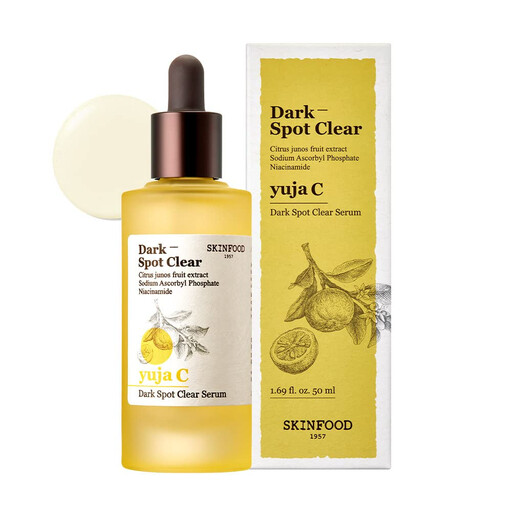
Why this product fits the profile: The 50 ml size and light serum texture are suitable for those wanting to start a straightforward K-beauty routine with yuja extract and a vitamin C derivative.
The INCI list shows sodium ascorbyl phosphate; this means the product claim isn’t confused with a high percentage of ascorbic acid. Essential oils and fragrance components should still be checked.
50 ml content, glycerin, panthenol and sodium hyaluronate; according to product claims, alcohol-free and paraben-free.
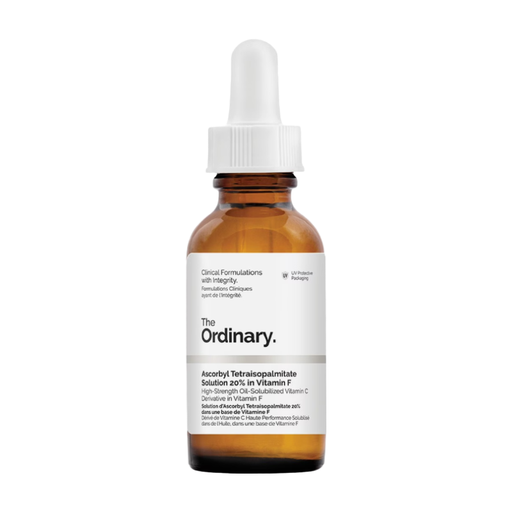
Why this product fits the profile: The clearly named form with 20% tetrahexyldecyl ascorbate and the short INCI list make it easier for buyers to match it with their own skincare goals.
The claim explicitly refers to a vitamin C derivative, not pure ascorbic acid. The oil-based texture should suit your own routine before purchase.
20% tetrahexyldecyl ascorbate, jojoba oil and squalane; no listed alcohol or parfum in the stated ingredient list.
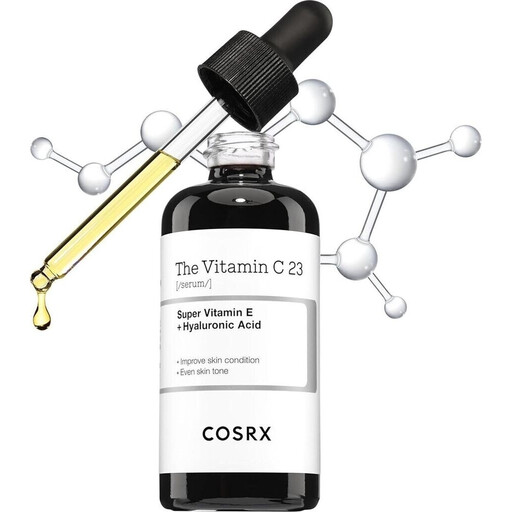
Why this product fits the profile: The 20 ml serum is aimed at users who want to incorporate pure ascorbic acid at a higher concentration into their existing skincare routine.
The concentration of 23% ascorbic acid is clearly stated. Due to the higher active ingredient concentration, slow introduction, patch testing and careful storage are especially important.
23% pure ascorbic acid, plus panthenol and squalane; the product claims mention a light texture and light-protected storage.
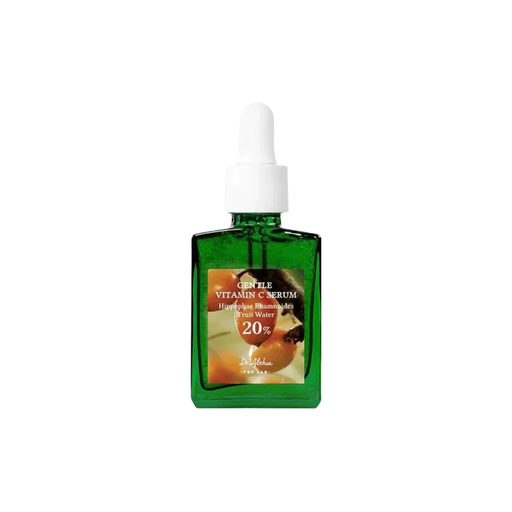
Why this product fits the profile: The formulation combines 3-O-ethyl ascorbic acid with 20% sea buckthorn fruit water, niacinamide and skincare ingredients classified as soothing.
The ingredient list shows a derivative rather than a high dose of pure ascorbic acid. Nevertheless, people with known sensitivities should check the full packaging information.
30 ml content, niacinamide, allantoin and a light, hydrating product description.
We’ve put together a full, regularly updated list of products that fully meet these strict selection criteria and the safety regulations in force in the EU.
It can cosmetically complement the appearance of an uneven skin tone. How much visible dark spots change depends on your skin type, the cause, UV exposure and your entire skincare routine. For persistent or noticeable hyperpigmentation, a dermatological consultation is advisable.
That depends on the formulation, packaging and storage. The PAO symbol, the best-before date and the manufacturer’s instructions are definitive. A noticeable yellow or brown discolouration, a changed smell or a new consistency can indicate ageing in sensitive formulations.
Many products already contain both ingredients in one formulation. With separate products, the combination is fundamentally a matter of individual tolerance. For beginners, it’s clearer to introduce only one new serum at a time and observe your skin’s reaction for several days.