
Lieferung heute & morgen

Qualitätsgarantie

Willkommens-Angebote freischalten: KOSTENLOSE Lieferung | Bis zu 80 % RABATT | Kostenlose 30-Tage-JoyPlus-Testphase
App herunterladen
A vitamin C serum can be a useful addition to your daily facial skincare routine if your complexion looks dull or uneven. Choosing the right one is not always easy, however. Packaging often highlights high percentages, terms such as “Glow” or “Anti-Aging”, and different forms of vitamin C that vary in how they are used and tolerated.
If you want to buy a vitamin C face serum, you should not simply choose the product with the highest concentration. The chemical form of the active ingredient, the composition of the overall formula, the packaging and your own skincare routine are all important factors.
“Pure vitamin C” usually refers to ascorbic acid, specifically L-ascorbic acid. It is often offered in higher concentrations, but can be more likely to cause tingling, stinging or redness on sensitive skin or skin that is not used to active ingredients. A serum containing a more stable vitamin C derivative may be more practical for beginners, even if the percentage is lower.
Vitamin C is often used as an antioxidant serum in cosmetic formulations. Daily care with a suitable sunscreen remains a separate step, however. If you use a serum for dark spots or a brightening face serum, apply a broad-spectrum sunscreen during the day and reduce direct, intense sun exposure wherever possible.
Terms such as “Glow”, “Radiance” or “Anti-Aging Serum” do not represent consistent quality standards. Instead, check the INCI list, the form of vitamin C, additional active ingredients and storage instructions. Even a lightweight, fast-absorbing serum may contain fragrances or essential oils that are relevant for certain skin types.
A vitamin C serum may contain different forms of the ingredient:
Percentages are only meaningfully comparable within the same form of the active ingredient. 20 per cent of a derivative cannot be directly equated with 20 per cent ascorbic acid.
Additional ingredients may be worth considering in a serum for a more even-looking complexion. Niacinamide is often used in formulas designed for an uneven-looking complexion. Hyaluronic acid, glycerin or panthenol can enhance the skin feel after application. For dry skin, moisturising ingredients are often more practical than a formula based solely on a highly concentrated active ingredient.
At the same time, look out for potential fragrances, essential oils and any known personal intolerances. A vitamin C serum for sensitive skin should initially be tested on a small area.
Ascorbic acid is sensitive to light, air and heat. Light-protective packaging, a tightly closing cap and observing the best-before date or PAO symbol are therefore important. A noticeable change in colour may indicate oxidation. Store the product in accordance with the manufacturer’s instructions: in a cool, dry place away from direct sunlight.
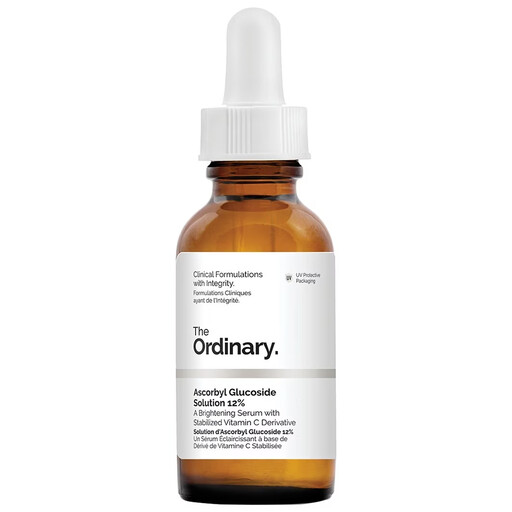
Why this product suits the profile: The clearly stated Ascorbyl Glucoside form and 30ml size make it easier to get started with a structured facial skincare routine.
The formula does not rely on a very high percentage of pure ascorbic acid. This reduces the risk of beginners making their choice based solely on a large percentage.
Water-based formula with Ascorbyl Glucoside; instructions on sun protection and light-protected storage are provided.
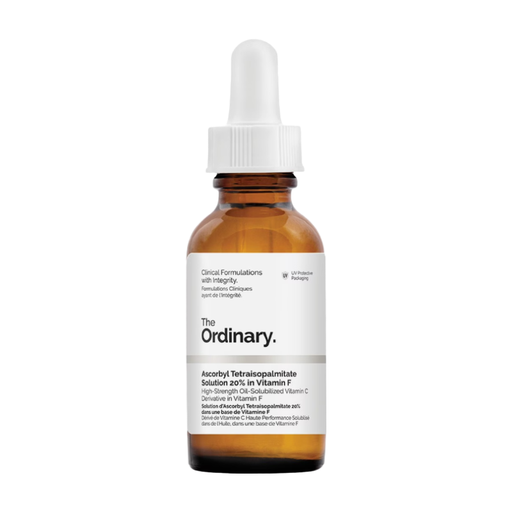
Why this product suits the profile: The oil-based texture is suitable for people who want to incorporate a vitamin C serum with a nourishing finish into their evening routine.
The product name explicitly identifies it as a vitamin C derivative. This helps prevent an oil-based solution from being confused with pure vitamin C.
20% Tetrahexyldecyl Ascorbate with jojoba oil, tomato extract and squalane; product information states that it contains no added fragrance.
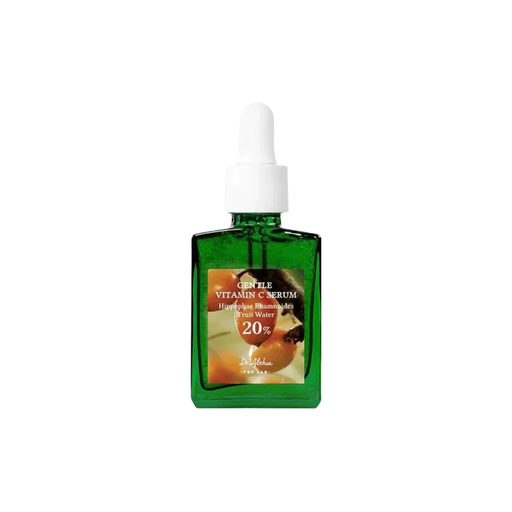
Why this product suits the profile: The product description presents it as a lightweight, hydrating formula for people who want to introduce vitamin C gradually.
Instead of pure ascorbic acid, the INCI list includes sea buckthorn fruit water with 3-O-Ethyl Ascorbic Acid. This is a different active base from a highly concentrated acid serum.
Contains niacinamide, adenosine and allantoin; apply two to three drops to cleansed skin.
Start with a few drops on clean, dry skin. If you have sensitive skin, begin by applying it on alternate days. Follow with a moisturiser. If you use the serum in the morning, apply a sunscreen with a suitable SPF afterwards.
Avoid direct contact with the eyes and mucous membranes. Stop using the product if persistent redness, itching or stinging occurs. A food supplement such as taxofit Vitamin C 1000 Direct Granules or vitamin C tablets is not equivalent to a topical face serum and should not be applied to the skin.
We have put together a complete, regularly updated list of products that fully meet these strict selection criteria and the safety regulations applicable in the EU.
This depends on the formulation and how well your skin tolerates it. Beginners can start with two or three applications per week. If your skin responds well, daily use in accordance with the manufacturer’s instructions may be possible.
Check the best-before date, PAO symbol and information on the packaging. Once opened, the product should be kept tightly closed, in a cool place and protected from light wherever possible. Do not continue using the formula if there is a noticeable change in colour or smell.
Many products already contain these ingredients together. If you use several separate serums, monitor your skin’s reaction and introduce new products gradually. For most users, a simple routine of cleansing, a vitamin C serum, moisturiser and sunscreen is easier to manage than applying numerous active ingredients at the same time.